Centimeter
The Centimeter (cm) is a fundamental unit of length within the metric system, playing a crucial role in various medical and clinical applications. Its precise measurement capabilities are essential for accurate diagnosis, treatment planning, and monitoring patient progress across numerous specialties.
Key Takeaways
- A Centimeter is a metric unit of length, vital for precise measurements in clinical settings.
- It is extensively used in oncology for tumor sizing, wound care for tracking healing, and radiology for organ dimensions.
- Understanding centimeter definition and examples is key for healthcare professionals to ensure consistent assessment.
- Conversions, such as knowing how many millimeters in a centimeter (10 mm) and centimeter to inches conversion (approximately 0.3937 inches), are critical for interdisciplinary communication and patient education.
- Accurate use of centimeters directly impacts the effectiveness of medical interventions and patient outcomes.
What is a Centimeter: Definition and Everyday Examples
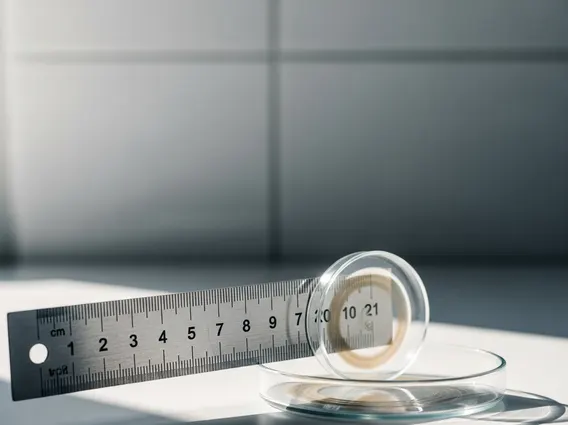
A Centimeter (cm) is a unit of length in the metric system, equivalent to one-hundredth of a meter. In medical and clinical contexts, the centimeter is indispensable for providing standardized and precise measurements. This precision is paramount for consistent documentation, comparative analysis, and effective communication among healthcare providers.
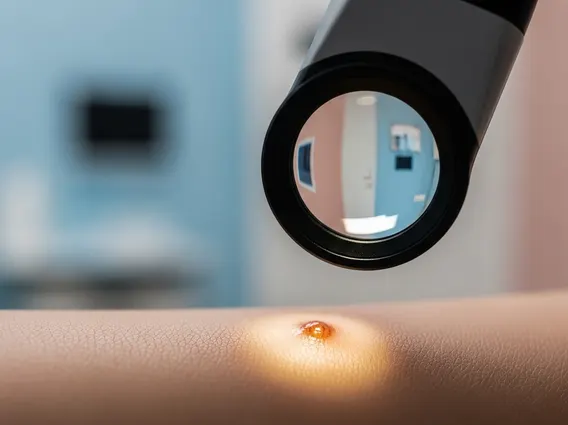
The utility of the centimeter spans numerous medical disciplines. For instance, in oncology, tumors are frequently measured in centimeters to assess their size, monitor growth or shrinkage in response to treatment, and determine cancer staging. According to the National Cancer Institute, accurate tumor measurement in centimeters is a critical factor in guiding treatment decisions and evaluating prognosis. In wound care, the dimensions of wounds are measured in centimeters to track healing progress, document changes, and plan appropriate interventions. Similarly, dermatologists use centimeters to measure the size of lesions, moles, or rashes, which can be indicative of various skin conditions. Radiologists also rely on centimeter measurements when interpreting imaging scans (such as CT, MRI, and ultrasound) to assess organ sizes, identify abnormalities, and track the progression of diseases affecting internal structures.
Centimeter Conversions: Millimeters and Inches
Understanding the conversion of centimeters to other units is vital for comprehensive clinical practice, especially when dealing with varying standards or communicating with patients. The most common conversions involve millimeters and inches.
Regarding how many millimeters in a centimeter, it is a straightforward conversion: one centimeter is precisely equal to ten millimeters (1 cm = 10 mm). This relationship is particularly important when even finer precision is required, such as measuring very small lesions, needle lengths, or the diameter of blood vessels. For example, a 0.5 cm lesion can also be described as a 5 mm lesion, providing a more granular detail that can be crucial in micro-surgical planning or pathology reports.
Another frequently encountered conversion is the centimeter to inches conversion. One centimeter is approximately equal to 0.3937 inches. While the metric system is the standard in most medical fields globally, imperial units (like inches) are still prevalent in some regions or in patient discussions. Therefore, the ability to convert between these units ensures clarity and avoids misinterpretation. For example, explaining a 2.5 cm mass to a patient as “approximately one inch” can help them better visualize the size. The following table illustrates these key conversions:
| Unit | Equivalent in Centimeters | Clinical Relevance |
|---|---|---|
| 1 Millimeter (mm) | 0.1 cm | Precision for very small structures (e.g., micro-lesions, vessel diameters). |
| 1 Centimeter (cm) | 1 cm | Standard unit for general medical measurements (e.g., tumor size, wound length). |
| 1 Inch (in) | 2.54 cm | Conversion for patient communication and historical data in imperial systems. |
These conversions facilitate seamless communication and accurate documentation, ensuring that all healthcare professionals and patients have a clear understanding of the measurements involved in clinical assessments.