Cellulitis
Cellulitis is a common and potentially serious bacterial skin infection that affects the deeper layers of the skin and underlying tissue. It typically appears as a red, swollen, and painful area that feels hot to the touch and can spread rapidly if left untreated.
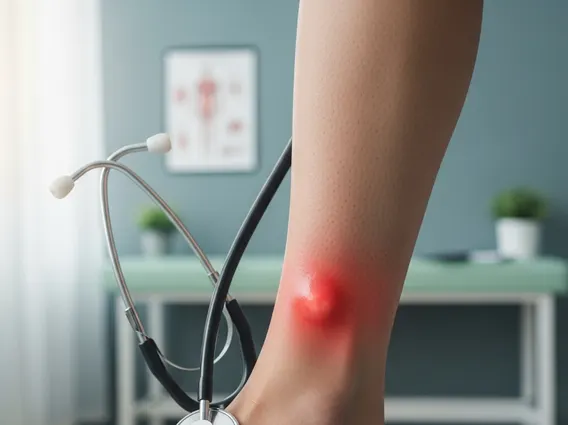
Key Takeaways
- Cellulitis is a bacterial infection of the skin’s deeper layers, causing redness, swelling, pain, and warmth.
- It is often caused by bacteria entering through a break in the skin, such as a cut, insect bite, or surgical wound.
- Common symptoms include rapidly spreading redness, tenderness, warmth, and sometimes fever or chills.
- Cellulitis is generally not contagious, as the infection is deep within the skin and not easily spread through casual contact.
- Treatment primarily involves antibiotics, with severe cases sometimes requiring intravenous administration and hospitalization.
What is Cellulitis: Understanding the Infection
Cellulitis is a bacterial infection that affects the dermis and subcutaneous tissue, the deeper layers of the skin. Unlike more superficial skin infections, Cellulitis can spread quickly and, if not treated promptly, can lead to serious complications such as sepsis or osteomyelitis (bone infection). The infection often begins in an area of broken skin, such as a cut, scrape, surgical incision, insect bite, or even a fungal infection like athlete’s foot. It is a relatively common condition; for instance, it is estimated that cellulitis affects approximately 14.5 million adults in the United States annually, often leading to emergency department visits and hospitalizations (Source: American Academy of Dermatology).
Symptoms, Causes, and Contagion of Cellulitis
Understanding cellulitis symptoms and causes is crucial for early detection and effective management. The infection typically manifests with a range of noticeable signs and can arise from various entry points for bacteria.
Common Symptoms of Cellulitis
Symptoms of Cellulitis often develop rapidly and can include:
- A red area of skin that tends to expand quickly.
- Swelling in the affected area.
- Tenderness and pain when touched.
- Warmth in the infected skin.
- Fever and chills, indicating a systemic response to the infection.
- Red spots, blisters, or skin dimpling may also be present.
The primary cause of Cellulitis is bacteria, most commonly Streptococcus and Staphylococcus, entering the body through a break in the skin. Risk factors include skin injuries, chronic skin conditions (like eczema or psoriasis), weakened immune systems, obesity, and lymphedema. Regarding whether Cellulitis is contagious, the infection is generally not considered contagious from person to person through casual contact. This is because the bacteria causing Cellulitis affect the deeper layers of the skin, making it unlikely to spread through touching or sharing personal items. However, if there is an open wound with pus, direct contact with that wound could potentially transmit bacteria, though this is rare for Cellulitis itself.
How to Treat Cellulitis
Treating Cellulitis primarily involves antibiotics to eliminate the bacterial infection. The specific type and duration of antibiotics will depend on the severity of the infection, the type of bacteria suspected, and the patient’s overall health. Oral antibiotics are typically prescribed for milder cases, often for 5 to 10 days. It is crucial to complete the entire course of antibiotics, even if symptoms improve, to prevent recurrence and ensure the infection is fully eradicated. For more severe cases, or if the infection is spreading rapidly, intravenous (IV) antibiotics may be administered in a hospital setting. This allows for a higher concentration of medication to reach the infection site quickly.
In addition to antibiotics, supportive care measures can help manage symptoms and promote healing. These include elevating the affected limb to reduce swelling, applying cool compresses to soothe the skin, and taking over-the-counter pain relievers for discomfort. Regular monitoring of the infection site is also important to ensure the treatment is effective and to identify any signs of worsening condition. In rare instances where an abscess forms, surgical drainage may be necessary. Prompt medical attention is vital for Cellulitis to prevent potential complications and ensure a full recovery.