Cell Signaling
Cell Signaling is a fundamental biological process that allows cells to communicate with each other and respond to their environment. This intricate communication network is essential for the proper functioning of all living organisms, from single-celled bacteria to complex multicellular beings.
Key Takeaways
- Cell Signaling is the process by which cells detect, interpret, and respond to signals from their environment or other cells.
- It is vital for coordinating cellular activities, growth, development, immunity, and maintaining homeostasis.
- The process generally involves a signal molecule, a receptor, signal transduction, and a cellular response.
- Different types of Cell Signaling pathways include direct contact, paracrine, synaptic, and endocrine signaling.
- Dysregulation in Cell Signaling can lead to various diseases, highlighting its importance in health.
What is Cell Signaling? Definition and Function
Cell Signaling refers to the complex system of communication that governs cellular activities. It involves the transmission of information from outside the cell to its interior, or between cells, enabling coordinated responses. Understanding the cell signaling definition and function is crucial for comprehending how organisms maintain health and respond to changes. This process allows cells to:
- Grow and divide appropriately.
- Differentiate into specialized cell types.
- Coordinate actions with neighboring cells.
- Mount immune responses against pathogens.
- Undergo programmed cell death (apoptosis) when necessary.
These functions are critical for development, tissue repair, and overall physiological balance. For instance, in the human body, billions of cells must work together seamlessly, a feat made possible by precise Cell Signaling mechanisms. Disruptions in these pathways can have significant consequences, contributing to a wide range of conditions, including cancer, autoimmune disorders, and neurodegenerative diseases, underscoring its fundamental role in health and disease.
Mechanisms and Types of Cell Signaling Pathways
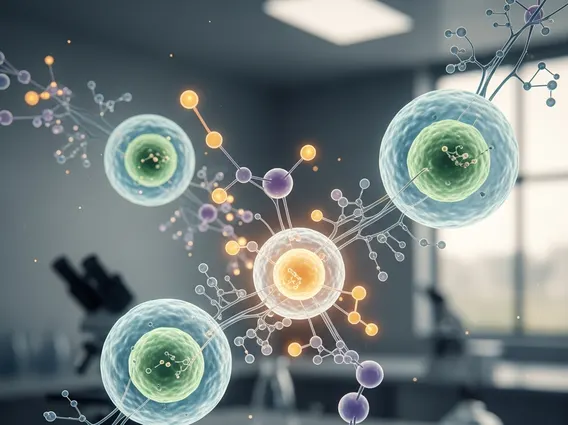
Cell Signaling operates through a series of intricate steps, generally beginning with a signal molecule (ligand) binding to a specific receptor on or within the target cell. This binding event is highly specific, much like a key fitting into a lock, ensuring that only the correct cells respond to a particular signal. Once activated, the receptor initiates a cascade of intracellular events known as signal transduction, where the signal is amplified and converted into a form that can elicit a cellular response. This response can range from rapid changes in enzyme activity or ion channel opening to slower, long-term effects like alterations in gene expression, protein synthesis, or cell movement.
There are several primary types of Cell Signaling pathways, categorized by the distance over which the signal travels and the method of delivery:
- Direct Contact (Juxtacrine Signaling): Cells communicate through direct physical contact. This can occur via gap junctions in animal cells or plasmodesmata in plant cells, allowing small molecules to pass directly between adjacent cells. Alternatively, cell-surface molecules on one cell can bind to receptors on an adjacent cell, triggering a response.
- Paracrine Signaling: Cells release signaling molecules that diffuse locally through the extracellular fluid to act on nearby target cells. This type of localized signaling is crucial for processes like wound healing, inflammation, and embryonic development, ensuring coordinated responses within a specific tissue.
- Synaptic Signaling: A specialized and rapid form of paracrine signaling occurring in the nervous system. Neurons transmit electrical signals along axons, releasing neurotransmitters into a synapse (the small gap between neurons) to rapidly affect target neurons, muscle cells, or gland cells.
- Endocrine Signaling: Signaling molecules, known as hormones, are released into the bloodstream and travel long distances to reach target cells throughout the body. This is characteristic of the endocrine system, regulating widespread physiological processes such as metabolism, growth, reproduction, and stress responses.
Each pathway ensures that signals are delivered efficiently and specifically, allowing for precise control over virtually all biological processes. The intricate interplay of these diverse mechanisms enables organisms to adapt, develop, and maintain homeostasis in a constantly changing environment.