Catechol
Catechol is an organic compound with a distinctive chemical structure that plays a role in various natural processes and industrial applications. Understanding its properties is crucial for appreciating its significance across different fields, from biochemistry to manufacturing.
Key Takeaways
- Catechol is an organic compound, specifically an ortho-dihydroxybenzene, featuring two hydroxyl groups on an aromatic benzene ring.
- Its unique chemical structure imparts properties such as reducing capabilities and antioxidant activity.
- It is naturally found in many plants as a component of lignin and a precursor to various natural products.
- Catechol serves as a vital intermediate in the synthesis of pharmaceuticals and agrochemicals.
- Its versatility extends to applications in photography, dyes, and as a chelating agent.
What is Catechol?
Catechol is an organic compound characterized by a benzene ring with two hydroxyl (-OH) groups attached to adjacent carbon atoms. This specific arrangement classifies it as an ortho-dihydroxybenzene. It is a colorless compound that is soluble in water and many organic solvents, known for its reducing properties and its ability to act as an antioxidant. Its chemical reactivity stems from the presence of these two hydroxyl groups on the aromatic ring, making it a versatile building block in organic synthesis.
Catechol Chemical Structure and Natural Occurrence
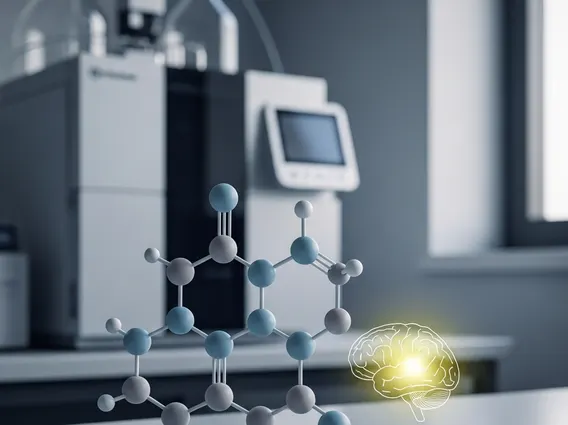
The defining feature of the catechol chemical structure is its benzene ring substituted with two hydroxyl groups in the ortho (1,2) position. This specific arrangement of functional groups is responsible for many of its unique chemical properties, including its reactivity and electron-donating capabilities, which are crucial for its role in various chemical reactions. This makes it a significant building block in organic chemistry due to its ability to undergo oxidation, substitution, and complexation reactions.
Where is catechol found naturally is diverse, as it is present in many plant species. It is a component of lignins, a complex polymer found in the cell walls of plants, contributing to their structural integrity. Furthermore, it is a precursor in the biosynthesis of various natural products, including flavonoids, tannins, and certain alkaloids, which are important for plant defense mechanisms and pigmentation. It also appears as a metabolite in the degradation pathways of certain aromatic compounds by microorganisms, highlighting its role in environmental cycles.
Uses and Properties of Catechol
The versatile catechol uses and properties make it a valuable compound in numerous industrial and scientific applications. Its reducing power and antioxidant properties are particularly exploited in various chemical processes. Catechol’s ability to chelate metal ions is another important property, contributing to its use in analytical chemistry and as a stabilizer in certain formulations.
Key applications of catechol include:
- Pharmaceutical Synthesis: It serves as an intermediate for the synthesis of various drugs, including bronchodilators, antihypertensive agents, and other medicinal compounds.
- Agrochemicals: Catechol is utilized in the production of pesticides, herbicides, and other agricultural chemicals due to its reactivity and ability to form complex derivatives.
- Photography: Historically, it has been used as a developing agent in photographic processes due to its reducing properties.
- Dyes and Pigments: It acts as a precursor in the synthesis of various dyes and pigments, contributing to the vibrant colors in textiles and other materials.
- Antioxidants and Stabilizers: Its strong antioxidant properties are leveraged in various industrial applications to prevent oxidation and degradation of other substances.
Beyond these, catechol derivatives are also found in flavors and fragrances, adding specific aromatic notes to products. Its broad range of applications underscores its importance as a foundational chemical in both natural systems and industrial chemistry.