Cataract
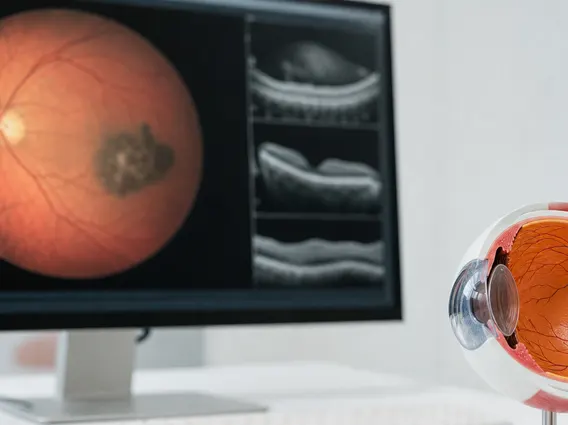
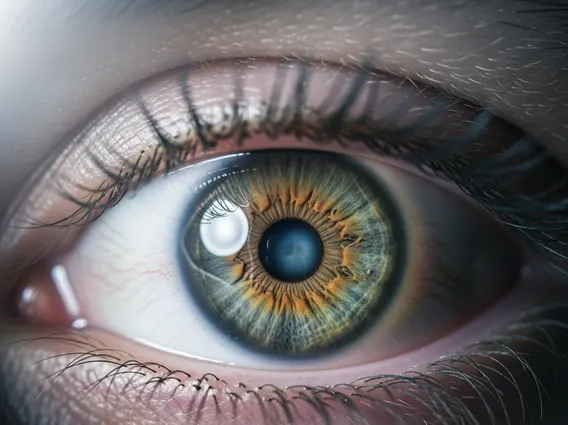
A Cataract is a common eye condition characterized by the clouding of the eye’s natural lens, which lies behind the iris and pupil. This clouding can lead to blurred vision, difficulty seeing at night, and increased sensitivity to glare, progressively affecting daily activities.
Key Takeaways
- A cataract is the clouding of the eye’s natural lens, impairing vision.
- Symptoms include blurred vision, glare sensitivity, and difficulty with night vision.
- Age is the primary risk factor, but other causes include diabetes, injury, and certain medications.
- There are several types of cataracts, each affecting different parts of the lens.
- Surgical removal and replacement of the clouded lens with an artificial one is the most effective treatment.
What is a Cataract Eye Condition?
A cataract eye condition refers to the progressive opacification of the crystalline lens inside the eye, which normally functions to focus light onto the retina. When the lens becomes cloudy, it scatters light rather than focusing it sharply, leading to impaired vision. This condition is a leading cause of blindness worldwide, with the World Health Organization (WHO) reporting that cataracts are responsible for 51% of global blindness, representing about 20 million people.
The development of a cataract is typically a gradual process, often occurring in both eyes, though one eye may be affected more severely or earlier than the other. Early on, the visual impact may be minimal, but as the cataract progresses, vision can become significantly compromised, affecting daily tasks such as reading, driving, and recognizing faces.
Cataract Symptoms, Causes, and Types
Recognizing cataract symptoms and causes is crucial for early detection and management. Common symptoms often develop slowly and may include:
- Cloudy, blurry, or dim vision
- Increasing difficulty with night vision
- Sensitivity to light and glare
- Seeing “halos” around lights
- Fading or yellowing of colors
- Frequent changes in eyeglass or contact lens prescriptions
The primary cause of cataracts is aging, as proteins in the lens break down and clump together over time. However, other factors can contribute to their development, including diabetes, eye injury or inflammation, prolonged use of corticosteroid medications, excessive exposure to sunlight’s ultraviolet (UV) radiation, and certain genetic disorders. Smoking and excessive alcohol consumption are also recognized risk factors.
There are several types of cataracts in eyes, categorized by their location within the lens:
| Cataract Type | Description |
|---|---|
| Nuclear Cataract | Affects the center of the lens, causing the nucleus to become yellowed or brown. Often associated with aging. |
| Cortical Cataract | Forms in the lens cortex (the outer edge of the lens) and extends inward like spokes on a wheel. |
| Posterior Subcapsular Cataract | Develops at the back of the lens, beneath the lens capsule. Tends to progress more quickly and often affects people with diabetes or those taking steroids. |
| Congenital Cataract | Present at birth or develops during childhood. May be inherited or associated with infection or trauma during pregnancy. |
How Are Cataracts Treated?
When considering how are cataracts treated, it’s important to understand that surgical intervention is the only effective method for removing cataracts. In the early stages, vision changes caused by cataracts might be managed with stronger eyeglasses, anti-glare sunglasses, or brighter lighting. However, as the cataract progresses and significantly impairs vision, surgery becomes necessary.
Cataract surgery is a common and highly successful procedure. It involves removing the clouded natural lens and replacing it with an artificial intraocular lens (IOL). The procedure is typically performed on an outpatient basis, often taking less than an hour. Modern surgical techniques, such as phacoemulsification, use ultrasound to break up the clouded lens into tiny pieces, which are then suctioned out. The new IOL is then inserted, restoring clear vision. Recovery is generally quick, with most patients experiencing improved vision within a few days to weeks.