Ig
Ig, short for Immunoglobulin, refers to a crucial class of proteins that function as antibodies within the immune system. These specialized proteins play a central role in the body’s defense mechanisms against foreign invaders.
Key Takeaways
- Ig, or Immunoglobulins, are antibodies essential for identifying and neutralizing pathogens.
- They are produced by plasma cells and are a cornerstone of adaptive immunity.
- There are five main classes (IgG, IgA, IgM, IgE, IgD), each with distinct structures, locations, and functions.
- Ig protect the body through various mechanisms, including neutralization, opsonization, and complement activation.
- Their role is vital for both immediate immune responses and long-term immunological memory.
What is Ig in Biology?
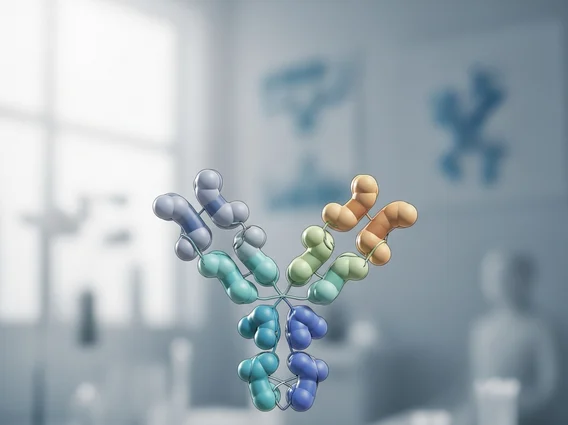
In biology, Ig (Immunoglobulin) is a large, Y-shaped protein produced primarily by plasma cells, which are differentiated B lymphocytes. These proteins are fundamental components of the adaptive immune system, acting as antibodies to identify and neutralize foreign objects such as bacteria, viruses, fungi, and parasites. Each Ig molecule possesses a unique binding site that specifically recognizes a particular antigen, which is a molecular structure on the surface of a pathogen or toxin.
The basic structure of an Immunoglobulin consists of four polypeptide chains: two identical heavy chains and two identical light chains, held together by disulfide bonds. This arrangement forms a flexible molecule capable of binding to antigens and initiating various immune responses. The precise recognition capabilities of Ig molecules are critical for the body to mount a targeted and effective defense against a vast array of potential threats. The immune system, of which immunoglobulins are a critical component, protects the body against a vast array of pathogens, with infectious diseases remaining a leading cause of mortality worldwide, accounting for millions of deaths annually according to the World Health Organization (WHO).
Immunoglobulin Function and Classes
The primary Immunoglobulin function and types revolve around their ability to recognize and bind to specific antigens, thereby marking pathogens for destruction or directly neutralizing them. This antigen-binding capability is highly specific, allowing the immune system to target particular threats without harming host cells. Once bound, Ig molecules can trigger a cascade of immune responses, including phagocytosis, complement activation, and antibody-dependent cellular cytotoxicity.
There are five principal different classes of immunoglobulins, each designated by a letter suffix: IgG, IgA, IgM, IgE, and IgD. These classes differ in their heavy chain structure, distribution in the body, and primary biological functions. Understanding these distinct classes is crucial for comprehending the multifaceted nature of the immune response. Here is a summary of their key characteristics:
| Ig Class | Structure | Primary Location | Key Functions |
|---|---|---|---|
| IgG | Monomer | Blood, lymph, cerebrospinal fluid, breast milk | Long-term immunity, crosses placenta (passive immunity), opsonization, complement activation |
| IgA | Dimer (secreted), Monomer (serum) | Mucosal surfaces (saliva, tears, gut, respiratory tract), breast milk | Mucosal immunity, prevents pathogen adherence to epithelial surfaces |
| IgM | Pentamer (serum), Monomer (B cell surface) | Blood, lymph | Primary immune response, potent complement activator, B cell receptor |
| IgE | Monomer | Mast cells, basophils (bound) | Allergic reactions, defense against parasitic infections |
| IgD | Monomer | B cell surface | B cell activation, acts as an antigen receptor on naive B cells |
Role of Immunoglobulins in Immunity
The Role of Ig in immune system is extensive and multifaceted, forming the backbone of humoral immunity. Immunoglobulins contribute to immunity through several key mechanisms:
- Neutralization: Antibodies can directly bind to toxins or viral particles, preventing them from interacting with host cells and causing damage.
- Opsonization: IgG antibodies can coat pathogens, making them more recognizable and palatable for phagocytic cells like macrophages and neutrophils, thereby enhancing their uptake and destruction.
- Complement Activation: IgM and IgG antibodies can activate the complement system, a cascade of proteins that can directly lyse pathogens, enhance inflammation, and aid in pathogen clearance.
- Antibody-Dependent Cell-Mediated Cytotoxicity (ADCC): Antibodies can bind to infected host cells, marking them for destruction by natural killer (NK) cells.
Beyond immediate defense, immunoglobulins are crucial for immunological memory. Following an initial exposure to a pathogen, the immune system produces memory B cells that can rapidly differentiate into plasma cells upon subsequent exposure, leading to a faster and stronger secondary immune response. This principle is fundamental to the success of vaccination, where the body is exposed to harmless antigens to stimulate Ig production and establish long-lasting protection against future infections.