Hypotrichosis
Hypotrichosis is a medical condition characterized by abnormal hair growth, specifically a reduced amount of hair on the body or scalp. Unlike alopecia, which refers to hair loss after normal growth, hypotrichosis signifies a failure of hair to grow adequately from the outset.
Key Takeaways
- Hypotrichosis is a condition marked by sparse or absent hair growth from birth or early childhood.
- It can stem from various causes, including genetic mutations, underlying medical conditions, or certain medications.
- Symptoms typically involve fine, sparse, or completely absent hair on the scalp, eyelashes, eyebrows, and body.
- Diagnosis often involves a physical examination, medical history review, and sometimes genetic testing.
- Treatment focuses on managing symptoms and may include topical medications, hair transplantation, or cosmetic solutions.
What is Hypotrichosis?
Hypotrichosis refers to a condition defined by sparse or absent hair growth. This can affect the scalp, eyebrows, eyelashes, and other body areas, often manifesting from birth or early childhood. Unlike common hair loss (alopecia), where hair initially grows normally before thinning or falling out, hypotrichosis involves a fundamental issue with hair development itself. The condition can range from mild thinning to complete absence of hair, significantly impacting an individual’s appearance and, in some cases, overall well-being. Its presentation varies widely, depending on the underlying cause and the specific genes or pathways affected. While not life-threatening, hypotrichosis can lead to psychological and social challenges for those affected.
Causes, Symptoms, and Diagnosis of Hypotrichosis
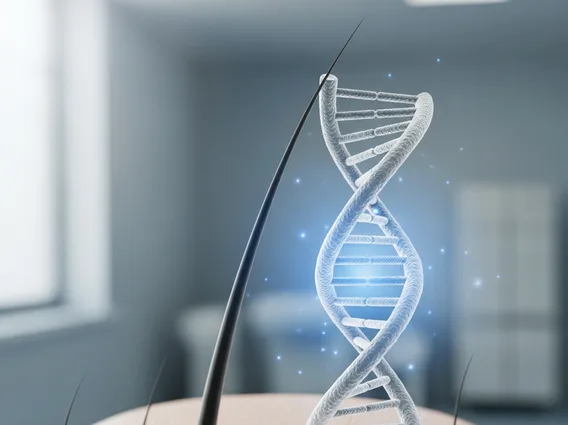
The **hypotrichosis causes and symptoms** are diverse, reflecting the complex nature of hair growth. Causes can be broadly categorized into genetic and acquired factors. Genetically, hypotrichosis is often linked to mutations in genes responsible for hair follicle development and function. For instance, conditions like ectodermal dysplasias, Netherton syndrome, or specific forms of inherited hypotrichosis are caused by genetic anomalies. Acquired causes are less common but can include certain systemic diseases, nutritional deficiencies, or side effects from medications, though these typically result in alopecia rather than true hypotrichosis.
Symptoms of hypotrichosis typically include:
- Sparse, fine, or brittle hair on the scalp.
- Reduced or absent eyebrows and eyelashes.
- Lack of body hair (axillary, pubic, limb hair).
- Hair that breaks easily or does not grow long.
Diagnosing hypotrichosis involves a thorough medical history, physical examination, and often specialized tests. A dermatologist will assess the pattern and extent of hair loss, examine the hair shafts, and look for associated skin or systemic findings. Genetic testing may be recommended, especially in cases with a family history or suspected syndromic forms, to identify specific gene mutations. Blood tests might be performed to rule out underlying medical conditions or nutritional deficiencies that could contribute to hair thinning.
Treatment Options and Living with Hypotrichosis
While there is no universal cure for hypotrichosis, **hypotrichosis treatment options** focus on managing symptoms and improving quality of life. The approach depends heavily on the underlying cause. For genetic forms, treatments are often supportive. Topical medications, such as minoxidil, may be prescribed to stimulate existing hair follicles, though results can vary significantly. In some cases, hair transplantation might be considered for localized areas, but its success depends on the availability of healthy donor hair and the underlying cause of the hypotrichosis. Cosmetic solutions, including wigs, hairpieces, and eyebrow/eyelash enhancements, are also widely used to help individuals manage the visible aspects of the condition.
**Living with hypotrichosis** involves a combination of medical management, psychological support, and practical coping strategies. Regular consultations with a dermatologist are crucial to monitor the condition and adjust treatment plans as needed. Support groups and counseling can provide valuable emotional support, helping individuals navigate the social and psychological challenges associated with sparse hair. Protecting the scalp from sun exposure and injury is also important, especially for those with minimal hair coverage. It is vital for individuals to work closely with their healthcare team to develop a personalized management plan that addresses their specific needs and concerns.
Disclaimer: The information provided in this article is for supportive purposes only and does not replace professional medical advice, diagnosis, or treatment. Always consult with a qualified healthcare provider for any health concerns or before making any decisions related to your health or treatment.