Hypothyroidism
Hypothyroidism is a common medical condition where the thyroid gland does not produce enough thyroid hormones. These hormones are crucial for regulating the body’s metabolism, affecting virtually every organ system.

Key Takeaways
- Hypothyroidism is characterized by insufficient thyroid hormone production, leading to a slowed metabolism.
- Common symptoms include fatigue, weight gain, cold intolerance, and dry skin, often developing gradually.
- The primary cause is often an autoimmune condition called Hashimoto’s thyroiditis, with diagnosis confirmed by blood tests.
- Treatment typically involves lifelong thyroid hormone replacement therapy to restore normal hormone levels.
- While medical treatment is essential, lifestyle adjustments and dietary considerations can support overall well-being.
What is Hypothyroidism? Understanding Its Symptoms
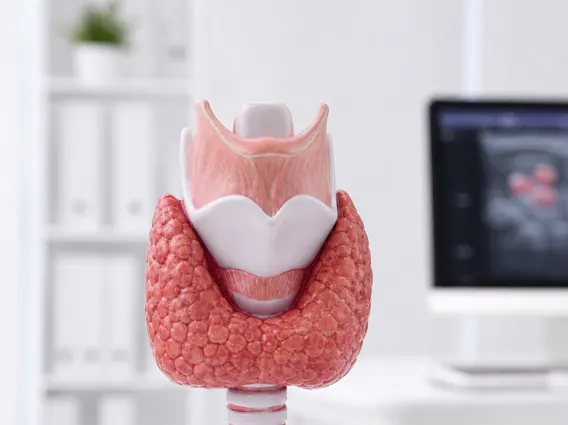
Hypothyroidism refers to a condition in which the thyroid gland, a small, butterfly-shaped gland located at the base of the neck, produces an inadequate amount of thyroid hormones. These hormones, primarily thyroxine (T4) and triiodothyronine (T3), play a vital role in regulating the body’s metabolism, energy production, and overall cellular function. When hormone levels are low, bodily processes slow down, leading to a range of symptoms that can affect nearly every system.
The impact of insufficient thyroid hormones can manifest in various ways, and understanding what is hypothyroidism symptoms is crucial for early detection. Symptoms often develop slowly over time, making them easy to overlook or attribute to other factors. According to the American Thyroid Association, approximately 4.6% of the U.S. population aged 12 years and older experiences hypothyroidism, with many unaware of their condition.
Common symptoms associated with hypothyroidism include:
- Persistent fatigue and lethargy
- Unexplained weight gain or difficulty losing weight
- Increased sensitivity to cold
- Dry skin and brittle nails
- Hair thinning or loss
- Constipation
- Muscle aches, tenderness, and stiffness
- Joint pain and swelling
- Depression or mood changes
- Impaired memory and concentration (“brain fog”)
- Heavy or irregular menstrual periods in women
- Slowed heart rate
Recognizing these signs and consulting a healthcare professional is important, as untreated hypothyroidism can lead to more severe health issues.
Causes, Risk Factors, and Diagnosis of Hypothyroidism
Understanding the causes and risk factors of hypothyroidism is essential for prevention and early intervention. The most common cause of hypothyroidism is Hashimoto’s thyroiditis, an autoimmune disease where the body’s immune system mistakenly attacks the thyroid gland, leading to inflammation and damage. Other causes can include thyroid surgery (removal of part or all of the thyroid gland), radiation therapy to the neck or head, certain medications (such as lithium or amiodarone), and congenital thyroid defects.
Several factors can increase an individual’s risk of developing hypothyroidism:
- Gender: Women are significantly more likely to develop hypothyroidism than men.
- Age: The risk increases with age, particularly after 60.
- Family History: Having a family history of thyroid disease or other autoimmune conditions.
- Autoimmune Diseases: Individuals with other autoimmune conditions, such as type 1 diabetes, rheumatoid arthritis, or celiac disease, are at higher risk.
- Previous Thyroid Issues: A history of thyroid surgery, goiter, or radiation treatment to the neck or chest.
- Pregnancy: Women can develop hypothyroidism during or after pregnancy (postpartum thyroiditis).
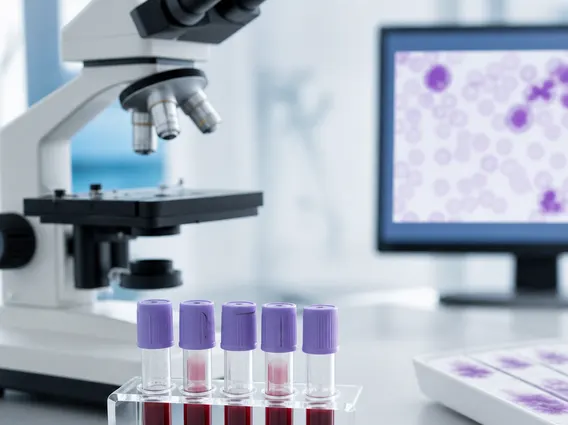
Diagnosis of hypothyroidism typically involves a simple blood test to measure thyroid-stimulating hormone (TSH) levels. A high TSH level indicates that the pituitary gland is working harder to stimulate a sluggish thyroid, suggesting hypothyroidism. Further tests, such as measuring free T4 (thyroxine) levels, may be conducted to confirm the diagnosis and determine its severity. In some cases, antibody tests may be performed to check for Hashimoto’s thyroiditis.
Hypothyroidism Treatment and Natural Management Strategies
Once diagnosed, how is hypothyroidism diagnosed and treated becomes the primary concern. The standard treatment for hypothyroidism involves daily use of a synthetic thyroid hormone called levothyroxine. This oral medication restores adequate hormone levels, reversing the signs and symptoms of hypothyroidism. Most people experience significant improvement in symptoms once the correct dosage is established, which often requires regular blood tests to monitor TSH levels and adjust the medication as needed. This treatment is usually lifelong.
In addition to conventional medical treatment, many individuals explore managing hypothyroidism naturally through lifestyle and dietary adjustments. While these strategies are supportive and can improve overall well-being, they are not a substitute for prescribed medication. A balanced diet rich in whole foods, adequate iodine (but not excessive, as too much can sometimes worsen the condition), and selenium can support thyroid health. Regular exercise can help manage weight, boost energy levels, and improve mood, all of which can be affected by hypothyroidism.
Stress management techniques, such as meditation, yoga, or deep breathing exercises, can also be beneficial, as chronic stress can impact hormone balance. Ensuring sufficient sleep is another crucial aspect of managing symptoms like fatigue. It is vital to discuss any natural management strategies, dietary changes, or supplements with a healthcare provider to ensure they are safe and do not interfere with prescribed medication or other health conditions.
Note: Information on alternative or complementary therapies is for supportive purposes only and does not replace the need for medical diagnosis, treatment, or advice from a qualified healthcare professional. Always consult your doctor before making any changes to your treatment plan.