Hrt
Hormone Replacement Therapy (HRT) is a medical treatment designed to supplement hormone levels that decline naturally in the body, most commonly during menopause. It aims to alleviate a range of symptoms associated with these hormonal changes, improving quality of life for many individuals.
Key Takeaways
- Hormone Replacement Therapy (HRT) involves replacing hormones, primarily estrogen, to manage symptoms of menopause.
- HRT works by restoring hormone levels, which helps alleviate symptoms like hot flashes, night sweats, and vaginal dryness.
- Benefits of HRT include significant symptom relief and bone protection, while potential risks involve blood clots, stroke, and certain cancers.
- Various types of HRT exist, including estrogen-only and combined therapies, available in different forms such as pills, patches, and gels.
- The decision to use HRT should always be made in consultation with a healthcare provider, considering individual health history and risk factors.
What is Hormone Replacement Therapy (HRT)?
Hormone Replacement Therapy (HRT) refers to a medical treatment that involves administering hormones to replace those that the body no longer produces in sufficient amounts. While it can be used for various conditions, it is most commonly associated with managing the symptoms experienced by women during menopause. During this natural biological process, the ovaries gradually produce less estrogen and progesterone, leading to a range of physical and emotional changes.
The primary goal of HRT is to alleviate these uncomfortable symptoms, which can include hot flashes, night sweats, vaginal dryness, mood swings, sleep disturbances, and a decline in bone density. By restoring hormone levels closer to their pre-menopausal state, HRT can significantly improve a person’s well-being and overall health during this transitional period.
How Does Hormone Replacement Therapy (HRT) Work?
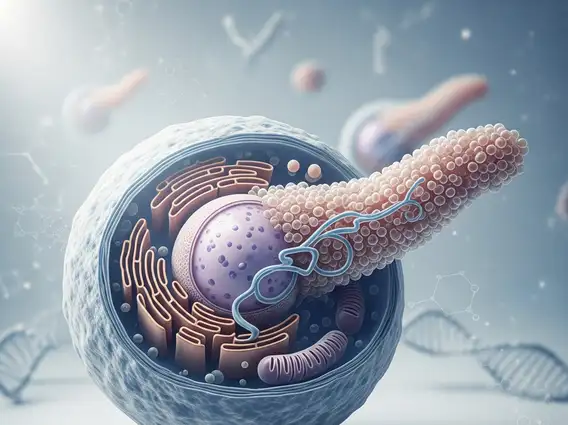
Hrt works by introducing exogenous hormones into the body to compensate for the reduced natural production, primarily of estrogen. When estrogen levels decline during menopause, it affects various bodily functions and tissues that rely on this hormone. HRT typically involves synthetic or bioidentical forms of estrogen, and often progesterone, which bind to hormone receptors in target cells throughout the body.
Once bound, these hormones mimic the actions of naturally produced hormones, helping to regulate body temperature, maintain vaginal tissue health, support bone density, and influence mood and sleep patterns. For individuals with an intact uterus, progesterone is usually included in the therapy (known as combined HRT) to protect the uterine lining from potential overgrowth caused by estrogen alone, which can increase the risk of endometrial cancer.
Benefits, Risks, and Types of HRT for Menopause
The decision to use HRT involves weighing its potential benefits against its associated risks, tailored to individual health profiles and menopausal symptoms. For many, the relief from severe menopausal symptoms is a significant benefit. HRT can effectively reduce or eliminate hot flashes, night sweats, and improve sleep quality. It is also highly effective in treating vaginal dryness and discomfort, which can significantly impact sexual health. Furthermore, HRT is known to help prevent osteoporosis and reduce the risk of bone fractures, a common concern post-menopause.
However, it is crucial to understand the potential risks and hrt benefits and side effects. Studies, such as those from the Women’s Health Initiative (WHI), have indicated that HRT may be associated with an increased risk of certain conditions, including blood clots, stroke, and, depending on the type and duration of therapy, breast cancer. Common side effects can include breast tenderness, bloating, and mood changes, especially during the initial stages of treatment. The risks vary depending on the individual’s age, time since menopause, and specific type of HRT used. For instance, the risks are generally lower for women who start HRT closer to menopause onset and use it for a shorter duration.
There are several types of HRT for menopause, categorized primarily by the hormones they contain and their delivery method. The two main hormonal types are:
- Estrogen-only therapy (ET): Prescribed for women who have had a hysterectomy (removal of the uterus).
- Estrogen-progestogen therapy (EPT) or combined HRT: Prescribed for women with an intact uterus to protect against endometrial cancer.
These hormones can be delivered through various methods, each with its own advantages and considerations:
- Oral pills: Daily tablets containing estrogen or a combination of estrogen and progestogen.
- Transdermal patches: Applied to the skin, delivering a steady dose of hormones into the bloodstream.
- Gels or sprays: Applied to the skin, offering flexible dosing.
- Vaginal rings, creams, or tablets: Localized estrogen therapy primarily for vaginal dryness and discomfort, with minimal systemic absorption.
The choice of HRT type and delivery method is a personalized decision made in consultation with a healthcare provider, taking into account individual symptoms, medical history, and preferences. According to the World Health Organization (WHO), while HRT can be effective for menopausal symptom relief, its use should be individualized, and regular medical reviews are essential to assess ongoing need and safety.