Gemcitabine Hydrochloride
Gemcitabine Hydrochloride is a chemotherapy medication used in the treatment of various types of cancer. It belongs to a class of drugs known as antimetabolites, which interfere with the growth of cancer cells.
Key Takeaways
- Gemcitabine Hydrochloride is an antimetabolite chemotherapy drug.
- It works by disrupting DNA synthesis, which prevents cancer cells from growing and dividing.
- This medication is prescribed for several cancers, including pancreatic, non-small cell lung, breast, and ovarian cancers.
- Common side effects can include myelosuppression, nausea, and fatigue.
- Understanding Gemcitabine Hydrochloride drug information is crucial for both patients and healthcare providers.
What is Gemcitabine Hydrochloride and How It Works
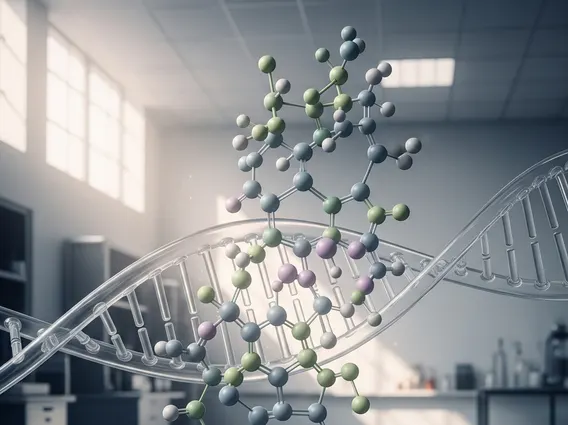
Gemcitabine Hydrochloride is a nucleoside analog that functions as an antimetabolite. This means it is structurally similar to natural building blocks of DNA and RNA, but it acts as a false building block, disrupting the normal processes of cell division. When cancer cells attempt to incorporate Gemcitabine Hydrochloride into their DNA during replication, the drug interferes with DNA synthesis and repair, ultimately leading to programmed cell death (apoptosis).
Its mechanism of action involves its conversion inside the body into active metabolites. These metabolites inhibit key enzymes involved in DNA synthesis, such as ribonucleotide reductase and DNA polymerase. By doing so, Gemcitabine Hydrochloride prevents cancer cells from producing new DNA and repairing existing DNA, which is essential for their rapid growth and proliferation. This targeted disruption makes it an effective agent against various fast-growing tumors. Comprehensive Gemcitabine Hydrochloride drug information highlights its role in oncology due to this specific cellular interference.
What is Gemcitabine Hydrochloride used for?
Gemcitabine Hydrochloride is widely utilized in oncology for the treatment of several types of solid tumors. Its efficacy has been demonstrated in both monotherapy and combination regimens with other chemotherapeutic agents or radiation therapy. The specific cancers for which Gemcitabine Hydrochloride is used include:
- Pancreatic Cancer: Often used as a first-line treatment for locally advanced or metastatic pancreatic adenocarcinoma.
- Non-Small Cell Lung Cancer (NSCLC): Administered alone or in combination with other drugs for advanced NSCLC.
- Breast Cancer: Used in combination with paclitaxel for metastatic breast cancer that has recurred after prior adjuvant/neoadjuvant chemotherapy.
- Ovarian Cancer: Employed in combination with carboplatin for advanced ovarian cancer that has relapsed at least six months after completion of first-line platinum-based therapy.
- Bladder Cancer: Sometimes used in combination with cisplatin for advanced bladder cancer.
The choice of treatment regimen depends on the specific cancer type, stage, patient’s overall health, and prior treatments. Clinical guidelines from organizations like the National Comprehensive Cancer Network (NCCN) provide detailed recommendations for its use across these indications.
Gemcitabine Hydrochloride Side Effects
Like most chemotherapy drugs, Gemcitabine Hydrochloride can cause a range of side effects, which vary in severity and frequency among individuals. It is crucial for patients to discuss any symptoms with their healthcare team promptly. Understanding Gemcitabine Hydrochloride side effects is an important part of managing treatment and ensuring patient safety.
Common side effects often include:
- Myelosuppression: This involves a decrease in blood cell production, leading to low white blood cell counts (neutropenia), low red blood cell counts (anemia), and low platelet counts (thrombocytopenia). This can increase the risk of infection, fatigue, and bleeding.
- Nausea and Vomiting: These gastrointestinal symptoms can often be managed with antiemetic medications.
- Fatigue: A common and often debilitating side effect, characterized by persistent tiredness and lack of energy.
- Flu-like Symptoms: Fever, chills, muscle aches, and headache may occur, typically within hours of administration.
- Rash: Skin rashes can develop, sometimes accompanied by itching.
- Hair Thinning: While not as common as with some other chemotherapies, some hair thinning may occur.
- Liver Enzyme Elevation: Temporary increases in liver enzyme levels may be observed.
More serious, though less common, side effects can include severe lung problems, kidney damage, and hemolytic uremic syndrome. Patients receiving Gemcitabine Hydrochloride are closely monitored through regular blood tests and clinical evaluations to detect and manage potential adverse reactions effectively. It is essential to follow all medical advice and report any unusual or severe symptoms immediately.