Gastric Adenocarcinoma And Proximal Polyposis Of The Stomach
Gastric Adenocarcinoma And Proximal Polyposis Of The Stomach (GAPPS) is a rare and complex gastrointestinal condition characterized by the presence of numerous polyps in the stomach with a high risk of malignant transformation. This article aims to provide a comprehensive overview of its nature, common symptoms, underlying causes, and current treatment strategies.
Key Takeaways
- Gastric Adenocarcinoma And Proximal Polyposis Of The Stomach is a distinct, rare syndrome characterized by multiple polyps in the stomach, often leading to adenocarcinoma.
- Symptoms can be non-specific, including abdominal pain, weight loss, and anemia, necessitating early endoscopic evaluation.
- The condition is typically linked to germline mutations, particularly in the APC gene, highlighting a genetic predisposition.
- Treatment involves a multidisciplinary approach, often including endoscopic surveillance, surgical resection, and targeted therapies.
- Regular monitoring is crucial due to the high risk of malignant transformation.
What is Gastric Adenocarcinoma And Proximal Polyposis Of The Stomach?
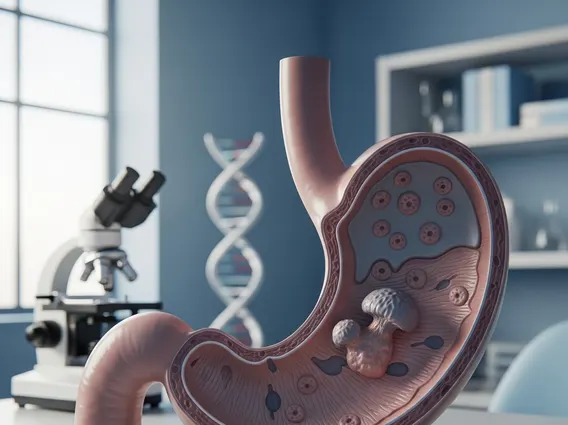
Gastric Adenocarcinoma And Proximal Polyposis Of The Stomach (GAPPS) is a rare inherited syndrome characterized by the presence of numerous polyps predominantly in the fundus and body of the stomach, with a high propensity for developing gastric adenocarcinoma. This condition is distinct from other polyposis syndromes affecting the gastrointestinal tract, such as Familial Adenomatous Polyposis (FAP), primarily due to its localization within the stomach and specific genetic underpinnings. Individuals with GAPPS typically develop hundreds of fundic gland polyps, some of which can progress to adenomas and eventually to invasive adenocarcinoma.
The identification of GAPPS as a unique entity helps in understanding its specific pathology and guiding appropriate management strategies. It is often associated with germline mutations in the APC gene, similar to FAP, but with a different phenotypic expression primarily limited to the stomach. The diagnosis of GAPPS relies on specific criteria, including the presence of more than 100 gastric fundic gland polyps, or fewer if there is a family history of gastric adenocarcinoma and polyposis, without evidence of colonic or duodenal polyposis. Early diagnosis is critical due to the significant risk of malignant transformation.
Symptoms and Causes of Gastric Adenocarcinoma and Proximal Polyposis
Recognizing gastric adenocarcinoma symptoms in individuals with proximal polyposis of the stomach is crucial for timely intervention. Many symptoms can be non-specific, making early diagnosis challenging. Common manifestations may include persistent abdominal pain or discomfort, unexplained weight loss, nausea, vomiting, and early satiety. Patients might also experience symptoms related to anemia, such as fatigue and weakness, resulting from chronic blood loss from the polyps or developing carcinoma. In some cases, patients may remain asymptomatic until the disease has progressed significantly.
The primary proximal polyposis stomach causes are genetic. GAPPS is typically inherited in an autosomal dominant pattern, meaning a single copy of an altered gene in each cell is sufficient to cause the disorder. The most commonly identified genetic cause is a germline mutation in the APC (Adenomatous Polyposis Coli) gene, specifically in the promoter 1B region. This particular mutation leads to the inactivation of the APC gene, which plays a critical role in cell growth and differentiation, thereby promoting uncontrolled cell proliferation and polyp formation in the stomach. While APC mutations are a leading cause, some cases may arise from other genetic factors or sporadic mutations, though these are less common. According to medical literature, approximately 70-80% of identified GAPPS cases are linked to specific APC gene mutations.
Here are some common symptoms associated with GAPPS:
- Persistent upper abdominal pain or discomfort
- Unexplained weight loss
- Nausea and vomiting
- Early satiety (feeling full after eating only a small amount)
- Anemia, leading to fatigue and weakness
- Gastrointestinal bleeding (less common but possible)
Treatment Approaches for Gastric Adenocarcinoma and Proximal Polyposis
The management of gastric adenocarcinoma polyposis treatment requires a comprehensive and individualized approach, often involving a multidisciplinary team of gastroenterologists, surgeons, oncologists, and genetic counselors. The primary goals are to prevent malignant transformation, detect cancer at an early stage, and manage existing carcinoma. Due to the high risk of progression to adenocarcinoma, regular endoscopic surveillance with biopsies is a cornerstone of management. This allows for the identification and removal of suspicious polyps or early-stage cancer.
Treatment strategies can vary based on the extent of polyposis, the presence of dysplasia, and whether adenocarcinoma has developed. For patients with a high burden of polyps or those showing signs of dysplasia, endoscopic polypectomy may be performed to remove individual polyps. However, given the diffuse nature of polyposis in GAPPS, total or subtotal gastrectomy (surgical removal of part or all of the stomach) is often considered for patients with widespread advanced dysplasia or invasive adenocarcinoma. This prophylactic or therapeutic surgery aims to eliminate the risk of cancer or remove existing tumors. For advanced gastric adenocarcinoma, treatment may include chemotherapy, radiation therapy, and targeted therapies, depending on the tumor’s characteristics and stage.
Genetic counseling is also an essential component of care for individuals and families affected by GAPPS, providing information on inheritance patterns, risk assessment for relatives, and guidance on genetic testing. While there are no specific medications to prevent polyp formation in GAPPS, ongoing research explores potential chemopreventive agents. It is important to note that any information on supportive or complementary therapies is not a substitute for professional medical advice and treatment.