Gastric Acid Secretion Test
A Gastric Acid Secretion Test is a diagnostic procedure used to measure the amount of acid produced by the stomach, aiding in the evaluation of various gastrointestinal conditions.
Key Takeaways
- The test measures stomach acid production to diagnose conditions such as peptic ulcers or Zollinger-Ellison syndrome.
- It typically involves a period of fasting, insertion of a nasogastric tube, and stimulation of acid secretion.
- Results help clinicians differentiate between hypersecretion (excessive acid) and hyposecretion (insufficient acid).
- This diagnostic tool is crucial for guiding appropriate treatment strategies for various acid-related gastrointestinal disorders.
What is a Gastric Acid Secretion Test and Why is it Performed?
The Gastric Acid Secretion Test is a medical diagnostic procedure designed to quantify the rate at which the stomach produces hydrochloric acid. This test is crucial for understanding the physiological function of the gastric mucosa and identifying abnormalities in acid production. When considering what is Gastric Acid Secretion Test, it refers to a comprehensive evaluation of both basal (unstimulated) and maximal (stimulated) acid output.
The purpose of gastric acid secretion test is primarily to diagnose and manage conditions associated with either excessive or insufficient stomach acid. For instance, it is often performed to confirm Zollinger-Ellison syndrome (ZES), a rare condition characterized by tumors that cause the stomach to produce too much acid, leading to severe peptic ulcers. It can also help identify the cause of recurrent peptic ulcers or evaluate patients with suspected pernicious anemia, where low acid levels can impair vitamin B12 absorption. Furthermore, the gastric acid secretion test explained provides valuable insights into the effectiveness of acid-suppressing medications or the need for further investigation into gastric motility disorders. According to a study published in the American Journal of Gastroenterology, accurate diagnosis of acid-related disorders through such tests can significantly improve patient outcomes and reduce the incidence of complications.
How is a Gastric Acid Secretion Test Performed?
The procedure for how is gastric acid secretion test performed involves several steps, typically conducted in a hospital or specialized clinic setting. Patients are usually required to fast for at least 12 hours prior to the test to ensure an empty stomach and accurate basal acid measurements. Certain medications, especially those affecting stomach acid production like proton pump inhibitors (PPIs) or H2 blockers, must be discontinued for a specified period before the test, as advised by the physician.
The main steps include:
- Nasogastric Tube Insertion: A thin, flexible tube (nasogastric tube) is gently inserted through the nostril, down the esophagus, and into the stomach. This tube is used to aspirate gastric contents.
- Basal Acid Secretion Measurement: Once the tube is in place, stomach contents are collected at regular intervals (e.g., every 15 minutes) for about an hour. These samples measure the basal acid output (BAO), which is the acid produced by the stomach in its resting state.
- Stimulation of Acid Secretion: After basal measurements, a stimulant, such as pentagastrin or histamine, is administered, usually via injection. This substance prompts the stomach to produce its maximum amount of acid.
- Maximal Acid Secretion Measurement: Following stimulation, gastric contents are again collected at regular intervals for another hour or more. These samples measure the maximal acid output (MAO).
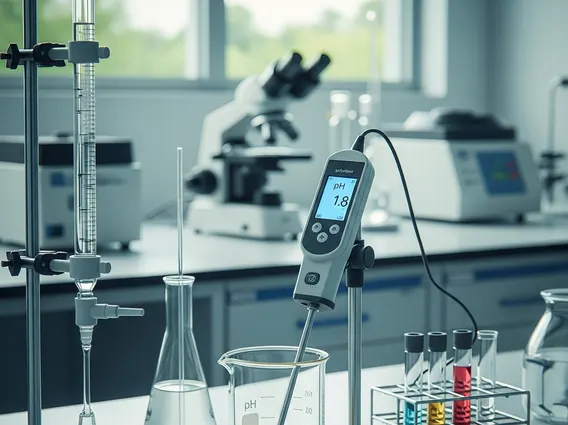
Throughout the procedure, the collected samples are sent to a laboratory to determine their pH and acid concentration, providing quantitative data on both basal and stimulated acid production.
Interpreting Gastric Acid Secretion Test Results
The gastric acid secretion test results interpretation is a critical step in diagnosing underlying conditions. The results are typically expressed as milliequivalents (mEq) of hydrochloric acid per hour. Physicians compare the patient’s BAO and MAO values against established normal ranges to identify deviations.
Here’s a general guide to interpretation:
| Result Category | Typical Findings | Associated Conditions |
|---|---|---|
| Normal Acid Secretion | BAO: 1-5 mEq/hr; MAO: 10-20 mEq/hr | Healthy gastric function |
| Hypersecretion (High Acid) | Elevated BAO and/or MAO (e.g., BAO > 10 mEq/hr, MAO > 30 mEq/hr) | Zollinger-Ellison syndrome, duodenal ulcers |
| Hyposecretion (Low Acid) | Very low or absent BAO and MAO | Pernicious anemia, atrophic gastritis, gastric cancer |
For instance, a significantly elevated BAO, especially if it’s more than 60% of the MAO, is highly suggestive of Zollinger-Ellison syndrome. Conversely, persistently low or absent acid secretion, even after stimulation, can indicate conditions like atrophic gastritis or pernicious anemia, where the stomach lining is damaged and unable to produce acid. The interpretation must always be done in conjunction with the patient’s clinical symptoms, medical history, and other diagnostic findings to arrive at an accurate diagnosis and appropriate treatment plan.