Estradiol
Estradiol is a vital steroid hormone, primarily recognized as the most potent form of estrogen, playing a central role in the human body. Its influence extends across various physiological systems, particularly in women’s reproductive health and overall well-being.

Key Takeaways
- Estradiol is the most potent estrogen, crucial for female reproductive system development and function.
- It regulates the menstrual cycle, supports pregnancy, and maintains bone density, cardiovascular health, and cognitive function.
- Estradiol levels fluctuate naturally throughout a woman’s life, with specific ranges indicating different physiological states.
- Therapeutic applications include hormone replacement therapy (HRT) and contraception, but these come with potential side effects.
- Monitoring Estradiol levels is important for diagnosing and managing various health conditions related to hormonal balance.
What is Estradiol and Its Key Role in Women’s Health?
Estradiol is the principal and most active form of estrogen, a group of steroid hormones primarily produced in the ovaries in premenopausal women. It is also produced in smaller amounts by the adrenal glands, fat tissue, and in men, by the testes. As the primary female sex hormone, it is fundamental for the development and maintenance of female reproductive tissues and secondary sexual characteristics, such as breast development and the widening of the hips.
The role of Estradiol in women’s health is extensive and multifaceted. It is indispensable for regulating the menstrual cycle, preparing the uterus for potential pregnancy, and supporting the early stages of gestation. Beyond reproduction, Estradiol contributes significantly to bone health by inhibiting bone resorption, thus helping to prevent osteoporosis. It also influences cardiovascular health, brain function, and skin elasticity. For instance, adequate Estradiol levels are associated with maintaining cognitive function and mood stability. According to the World Health Organization (WHO), hormonal balance, including Estradiol, is critical for overall health and quality of life across a woman’s lifespan.
Estradiol Levels: Explanation, Uses, and Potential Side Effects
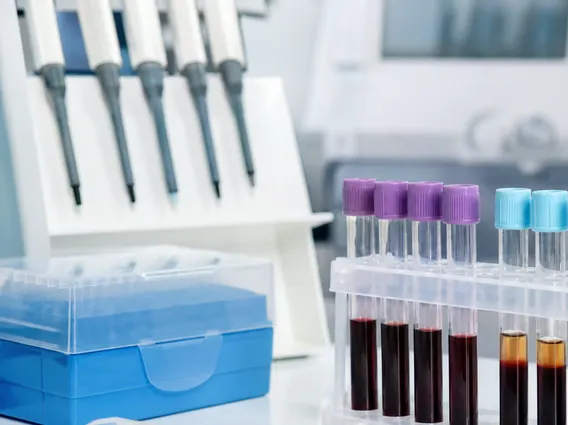
Estradiol hormone levels explained vary significantly based on a woman’s age, menstrual cycle phase, and reproductive status. In premenopausal women, levels fluctuate throughout the menstrual cycle, typically rising during the follicular phase, peaking just before ovulation to trigger the release of an egg, and then declining during the luteal phase. During pregnancy, Estradiol levels rise substantially, produced by the placenta, to support fetal development and maintain the uterine lining. After menopause, ovarian production of Estradiol decreases dramatically, leading to significantly lower circulating levels, which contributes to many menopausal symptoms. Blood tests are commonly used to measure Estradiol levels, providing crucial insights into ovarian function, fertility issues, menopausal status, or the effectiveness of hormone therapies. These measurements help clinicians diagnose conditions like polycystic ovary syndrome (PCOS), assess ovarian reserve, or monitor treatment responses.
The uses and side effects of Estradiol are important considerations in clinical practice. Therapeutically, Estradiol is often prescribed in hormone replacement therapy (HRT) to alleviate bothersome menopausal symptoms such as hot flashes, night sweats, vaginal dryness, and mood disturbances. It is also used to help prevent osteoporosis in postmenopausal women, as Estradiol plays a vital role in maintaining bone density. Furthermore, Estradiol is a key component in many oral contraceptives, where it works to prevent ovulation and regulate the menstrual cycle.
Potential side effects can vary depending on the dosage, duration of use, and individual patient factors. Common side effects, often mild and temporary, may include:
- Breast tenderness or swelling
- Nausea and digestive upset
- Headaches or migraines
- Fluid retention and bloating
- Mood changes or irritability
More serious, though less common, risks associated with Estradiol therapy, particularly HRT, can include an increased risk of blood clots (deep vein thrombosis and pulmonary embolism), stroke, heart disease, and certain cancers, such as endometrial or breast cancer. These risks are generally evaluated against the potential benefits by healthcare providers, considering individual patient profiles, medical history, and lifestyle factors. For instance, the National Institutes of Health (NIH) advises that the lowest effective dose for the shortest duration is recommended for HRT to mitigate potential risks, especially in older women or those with pre-existing conditions. Regular medical check-ups are essential when undergoing Estradiol therapy.