Eeg Biofeedback
Eeg Biofeedback, also known as neurofeedback, is a non-invasive therapeutic technique that trains individuals to self-regulate their brainwave activity. This process aims to improve brain function and alleviate symptoms associated with various neurological and psychological conditions.
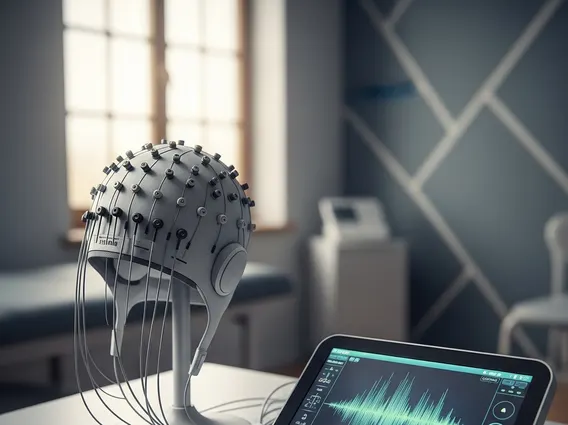
Key Takeaways
- Eeg Biofeedback is a non-invasive brain training method that teaches self-regulation of brainwave patterns.
- It involves sensors monitoring brain activity, providing real-time feedback to the individual.
- The therapy helps individuals learn to shift their brainwave states, promoting healthier neurological function.
- Benefits include improved focus, reduced anxiety, better sleep, and management of various conditions.
- It is a complementary approach often used alongside other medical treatments.
What is Eeg Biofeedback (EEG)?
Eeg Biofeedback (EEG), often referred to as neurofeedback, is a specialized form of biofeedback that measures brainwave activity using electroencephalography (EEG) sensors placed on the scalp. This technique allows individuals to observe their brain activity in real-time, typically displayed on a computer screen as a game, video, or auditory feedback. The core principle of Eeg Biofeedback is to teach self-regulation of brain function by providing immediate feedback on brainwave patterns, enabling individuals to learn how to produce more desirable brain states and reduce less desirable ones. This process is a form of operant conditioning, where the brain is rewarded for moving towards a more balanced and efficient state.
The goal of eeg biofeedback therapy explained is to help individuals gain conscious control over involuntary physiological processes, specifically those related to brain activity. By understanding and altering their brainwave patterns, patients can improve cognitive functions, emotional regulation, and overall mental well-being. It is a learning process, similar to physical therapy for the brain, where consistent practice leads to lasting changes in brain function and behavior.
The Mechanism of Eeg Biofeedback (EEG) Therapy
The question of how does eeg biofeedback work centers on the brain’s ability to learn and adapt, a concept known as neuroplasticity. During an Eeg Biofeedback session, electrodes are placed on the scalp to detect electrical activity generated by the brain. These signals are then amplified and processed by specialized software, which translates them into understandable feedback for the individual. This feedback can be visual, such as a video game that only progresses when the desired brainwave pattern is achieved, or auditory, like a tone that changes pitch based on brain activity.
The brain produces different types of electrical waves, each associated with distinct states of consciousness:
- Delta waves: Associated with deep, dreamless sleep.
- Theta waves: Linked to relaxation, meditation, and light sleep.
- Alpha waves: Present during calm, relaxed, and wakeful states.
- Beta waves: Associated with active thinking, problem-solving, and alertness.
- Gamma waves: Involved in higher-level cognitive processing and learning.
Through repeated sessions, individuals learn to consciously influence these brainwave patterns. For example, someone with anxiety might be trained to increase alpha waves (associated with relaxation) and decrease high-frequency beta waves (associated with overthinking). The real-time feedback acts as a mirror, allowing the brain to see its own activity and adjust accordingly, gradually leading to more stable and functional brainwave patterns even outside of therapy sessions.
Eeg Biofeedback (EEG) Benefits and Therapeutic Applications
The eeg biofeedback benefits are wide-ranging, stemming from its ability to help individuals achieve optimal brain function and regulation. This non-invasive therapy has been explored for its potential in addressing a variety of neurological and psychological conditions. By training the brain to operate more efficiently, Eeg Biofeedback can lead to significant improvements in quality of life.
Therapeutic applications of Eeg Biofeedback include:
- Attention-Deficit/Hyperactivity Disorder (ADHD): Helps improve focus, attention, and impulse control.
- Anxiety and Depression: Assists in regulating mood, reducing stress, and promoting relaxation.
- Sleep Disorders: Can aid in improving sleep quality and patterns, particularly for insomnia.
- Chronic Pain: May help in managing pain by influencing brainwave patterns associated with pain perception.
- Migraines and Headaches: Some studies suggest it can reduce the frequency and intensity of headaches.
- Traumatic Brain Injury (TBI) and Stroke Rehabilitation: Supports cognitive recovery and functional improvement.
It is important to note that Eeg Biofeedback is typically used as a complementary therapy, meaning it works best when integrated into a comprehensive treatment plan under the guidance of qualified healthcare professionals. While many individuals experience positive outcomes, results can vary, and it is not a standalone cure for all conditions.
Disclaimer: The information provided in this article is for educational purposes only and does not constitute medical advice. Always consult with a qualified healthcare professional for diagnosis and treatment of any medical condition.