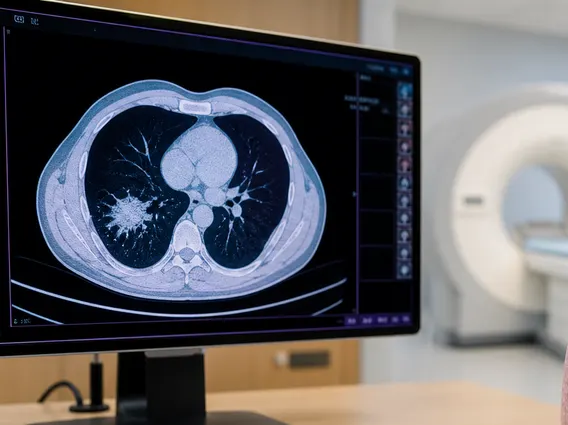
Molecular Testing
Molecular Testing is a sophisticated diagnostic approach that analyzes an individual’s genetic material (DNA, RNA), proteins, or other molecules to detect specific markers associated with diseases. This advanced methodology plays a pivotal role in modern medicine, offering precise insights into health and disease.

Key Takeaways
- Molecular Testing analyzes genetic material and other molecules to identify disease-related markers.
- It works by detecting specific DNA, RNA, or protein sequences, often using techniques like PCR or next-generation sequencing.
- Applications span oncology, infectious diseases, inherited disorders, and pharmacogenomics.
- Benefits include earlier and more accurate diagnoses, personalized treatment strategies, and improved patient outcomes.
- This testing provides critical information for guiding clinical decisions and advancing precision medicine.
What is Molecular Testing?
Molecular Testing refers to a broad category of laboratory techniques used to analyze biological markers at the molecular level. These tests examine an individual’s genetic code (DNA and RNA), proteins, and other molecules to identify specific changes or patterns that are indicative of disease, predisposition to disease, or response to treatment. Unlike traditional diagnostic methods that might look at cells or tissues under a microscope, molecular testing delves into the fundamental building blocks of life, offering a highly detailed view of biological processes.
The primary goal of molecular testing is to provide precise and actionable information for diagnosis, prognosis, and treatment selection. It helps clinicians understand the unique molecular profile of a patient’s condition, which is crucial for implementing personalized medicine. This approach allows for the detection of genetic mutations, viral loads, bacterial strains, and gene expression patterns that are often undetectable by other means.
How Molecular Testing Works
The fundamental principle behind how molecular testing works involves identifying and analyzing specific nucleic acid sequences (DNA or RNA) or proteins that are relevant to a particular condition. The process typically begins with obtaining a biological sample, such as blood, tissue, saliva, or urine. Once collected, the genetic material or proteins are extracted from the sample.
Several advanced techniques are employed in molecular testing, each designed to detect specific molecular targets. Common methods include:
- Polymerase Chain Reaction (PCR): This technique amplifies specific DNA or RNA sequences, making it possible to detect even minute amounts of genetic material, such as from viruses or bacteria.
- Next-Generation Sequencing (NGS): NGS allows for the rapid sequencing of millions of DNA or RNA fragments simultaneously, providing comprehensive information about an individual’s genome, exome, or specific genes.
- Fluorescence In Situ Hybridization (FISH): FISH uses fluorescent probes that bind to specific parts of chromosomes to detect genetic abnormalities, such as deletions, duplications, or translocations.
- Microarray Analysis: This method allows for the simultaneous measurement of the expression levels of thousands of genes or the detection of numerous genetic variations.
After the molecular analysis is performed, the data is interpreted by specialists to provide a diagnostic report. This report details the presence or absence of specific molecular markers, which then guides clinical decisions.
Applications and Benefits of Molecular Testing
The molecular testing uses are extensive and continue to expand across various medical fields, significantly impacting patient care. Its ability to provide highly specific and sensitive detection of molecular markers makes it indispensable in modern diagnostics and treatment strategies. The molecular testing benefits are profound, leading to more effective and personalized healthcare.
Key applications include:
- Oncology: Identifying specific gene mutations in cancer cells (e.g., EGFR, BRAF, ALK) to guide targeted therapies and predict treatment response. It also aids in early cancer detection and monitoring minimal residual disease.
- Infectious Diseases: Detecting pathogens like viruses (e.g., HIV, Hepatitis C, SARS-CoV-2) and bacteria, determining antibiotic resistance, and monitoring viral load. For instance, molecular tests are crucial for diagnosing COVID-19, with millions of tests performed globally, as reported by the World Health Organization (WHO).
- Inherited Disorders: Diagnosing genetic conditions such as cystic fibrosis, Huntington’s disease, and sickle cell anemia, often enabling prenatal screening and carrier testing.
- Pharmacogenomics: Predicting an individual’s response to certain medications based on their genetic makeup, optimizing drug dosages, and minimizing adverse drug reactions.
- Forensics: DNA profiling for identification in criminal investigations and paternity testing.
The benefits of molecular testing are manifold. It enables earlier and more accurate diagnoses, often before symptoms become severe, which can lead to more timely and effective interventions. By identifying specific molecular targets, it facilitates the development and application of personalized medicine, tailoring treatments to an individual’s unique biological profile. This precision can lead to improved treatment efficacy, reduced side effects, and better overall patient outcomes. Furthermore, molecular testing contributes significantly to disease surveillance and public health initiatives by tracking the spread and evolution of pathogens.