MEK1 Protein
MEK1 Protein, also known as Mitogen-activated protein kinase kinase 1 (MAP2K1), is a pivotal enzyme within cellular signaling networks. It plays a critical role in regulating fundamental biological processes essential for cell life and function.
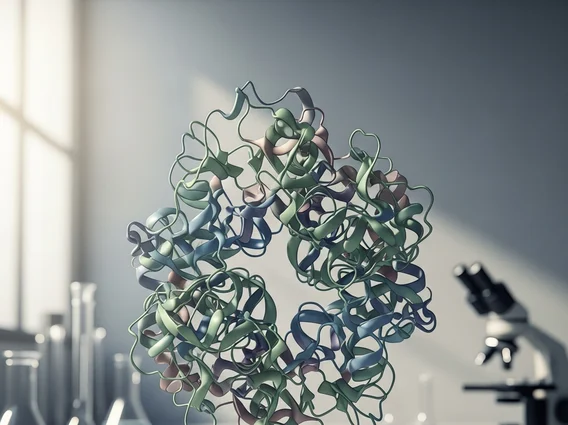
Key Takeaways
- MEK1 Protein (MAP2K1) is a serine/threonine kinase crucial for cellular signaling.
- It acts as a central component of the MAPK/ERK pathway, transmitting signals from the cell surface to the nucleus.
- MEK1 regulates vital cellular processes including cell growth, proliferation, differentiation, and survival.
- Dysregulation of MEK1 is frequently implicated in the development and progression of various cancers.
- Due to its central role, MEK1 is a significant target for therapeutic development, particularly in oncology.
What is MEK1 Protein (MAP2K1)?
MEK1 Protein, formally known as Mitogen-activated protein kinase kinase 1 (MAP2K1), is a key enzyme belonging to the family of serine/threonine protein kinases. These enzymes are crucial for phosphorylating specific amino acids (serine or threonine) on other proteins, thereby altering their activity. MEK1 serves as an essential component of the highly conserved mitogen-activated protein kinase (MAPK) pathway, specifically the RAF-MEK-ERK cascade, which is fundamental for transducing extracellular signals into intracellular responses.
Positioned centrally in this cascade, MEK1 acts as an intermediary, receiving activating signals from upstream kinases, primarily RAF, and subsequently phosphorylating and activating downstream kinases, namely extracellular signal-regulated kinases (ERKs). This hierarchical phosphorylation ensures a precise and controlled transmission of signals throughout the cell, orchestrating responses to various stimuli such as growth factors, cytokines, and stress signals.
MEK1 Protein’s Role in Cellular Signaling and Function
The primary function of MEK1 Protein is to serve as a critical relay point within the MAPK/ERK signaling pathway. This intricate cascade is responsible for transmitting signals from receptors on the cell surface through the cytoplasm and into the nucleus, where they influence gene expression. The MEK1 protein signaling pathway begins with the activation of upstream RAF kinases, which then phosphorylate and activate MEK1. Once activated, MEK1 specifically phosphorylates and activates ERK1 and ERK2, which are the ultimate effectors of this pathway, carrying the signal to various cellular compartments.
The MEK1 protein biological role is multifaceted, encompassing the regulation of numerous fundamental cellular processes. By activating ERK, MEK1 influences a wide array of cellular activities, ensuring proper cellular response to environmental cues. These critical processes include:
- Cell Growth: Promoting the increase in cell size.
- Cell Proliferation: Driving cell division and multiplication.
- Cell Differentiation: Guiding cells to specialize into distinct types.
- Cell Survival: Protecting cells from programmed cell death (apoptosis).
- Gene Expression: Modulating the transcription of specific genes.
Understanding what MEK1 Protein does highlights its importance in maintaining cellular homeostasis. Its proper functioning is vital for normal physiological processes, ranging from embryonic development to immune responses. Conversely, dysregulation of MEK1 activity, often due to mutations in upstream components like RAS or RAF, can lead to uncontrolled cell growth and survival, making it a significant contributor to the pathogenesis of various human diseases, most notably cancer. Consequently, MEK1 has emerged as an important therapeutic target in oncology, with inhibitors being developed to block its activity in cancer cells.