
Malignant Pericardial Effusion
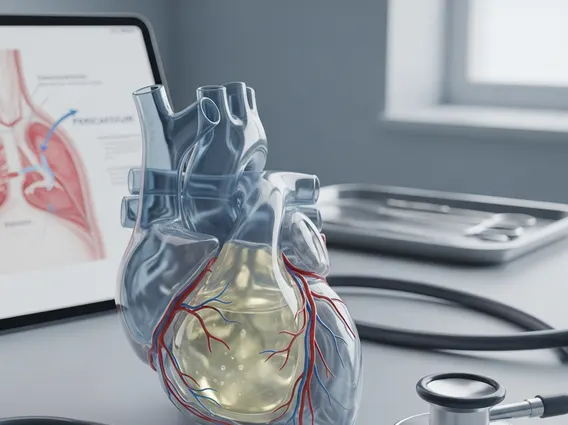
Malignant pericardial effusion is a serious medical condition characterized by the abnormal accumulation of fluid in the sac surrounding the heart, known as the pericardium, due to the presence of cancer cells. This condition often signifies advanced cancer and can significantly impact cardiac function and patient quality of life.
Key Takeaways
- Malignant pericardial effusion involves fluid buildup around the heart caused by cancer cells.
- It is a serious complication, often indicating advanced stages of various cancers, including lung and breast cancer.
- Common symptoms include shortness of breath, chest pain, and fatigue, which can worsen rapidly.
- Diagnosis typically involves imaging tests like echocardiography and fluid analysis.
- Treatment focuses on relieving symptoms and preventing life-threatening complications, often through fluid drainage and management of the underlying cancer.
What is Malignant Pericardial Effusion?
Malignant Pericardial Effusion refers to the pathological accumulation of fluid within the pericardial sac, which is the double-layered membrane enclosing the heart, where the fluid contains malignant cells. This condition is a significant complication of various cancers, indicating either direct invasion of the pericardium by tumor cells or metastasis from a distant primary site. It is most commonly associated with lung cancer, breast cancer, lymphomas, leukemias, and melanoma. The presence of malignant cells in the pericardial fluid distinguishes it from other types of pericardial effusions, which may result from infections, inflammation, or other non-cancerous causes. The fluid buildup can exert pressure on the heart, impeding its ability to pump blood effectively, a condition known as cardiac tamponade, which can be life-threatening.
The incidence of malignant pericardial effusion varies depending on the type and stage of cancer. Studies suggest that pericardial involvement is found in approximately 5-10% of all cancer patients, with malignant effusions accounting for a significant proportion of these cases. For instance, lung cancer is the most frequent cause, contributing to about 30-40% of all malignant pericardial effusions, followed by breast cancer and lymphomas, according to data from organizations like the American Heart Association.
Symptoms and Causes of Malignant Pericardial Effusion
The presentation of malignant pericardial effusion symptoms can vary widely depending on the rate of fluid accumulation and the amount of fluid present. As fluid builds up, it restricts the heart’s ability to fill with blood, leading to a range of symptoms that often mimic other cardiac or respiratory conditions. Recognizing these signs is crucial for timely diagnosis and intervention.
Common symptoms include:
- Dyspnea (shortness of breath): Often progressive, worsening with exertion and sometimes even at rest.
- Chest pain or discomfort: Can be sharp, dull, or pressure-like, sometimes radiating to the neck, shoulders, or back.
- Fatigue and weakness: Due to reduced cardiac output and the underlying cancer.
- Palpitations: A sensation of a rapid, fluttering, or pounding heart.
- Peripheral edema: Swelling in the legs, ankles, or abdomen due to fluid retention.
- Cough: Non-productive and persistent, often due to compression of airways.
- Lightheadedness or dizziness: Especially with changes in position, indicating reduced blood flow to the brain.
The primary causes of malignant pericardial effusion are directly linked to cancer. The most common mechanisms include direct invasion of the pericardium by a nearby tumor (e.g., lung cancer), metastatic spread of cancer cells from a distant primary site via the bloodstream or lymphatic system, or less commonly, obstruction of lymphatic drainage by tumor cells. Cancers most frequently associated with this condition include:
- Lung cancer (especially non-small cell lung cancer)
- Breast cancer
- Lymphoma
- Leukemia
- Melanoma
- Gastrointestinal cancers
In some cases, cancer treatments such as radiation therapy to the chest can also contribute to pericardial effusions, though these are typically non-malignant unless cancer cells are also present.
Treatment Options for Malignant Pericardial Effusion
The approach to malignant pericardial effusion treatment is multifaceted, aiming primarily to relieve symptoms, prevent cardiac tamponade, and improve the patient’s quality of life. The specific treatment strategy depends on the patient’s overall health, the type and stage of the underlying cancer, and the severity of the effusion.
Initial management often involves procedures to drain the accumulated fluid:
| Treatment Option | Description | Primary Goal |
|---|---|---|
| Pericardiocentesis | A minimally invasive procedure where a needle is inserted through the chest wall into the pericardial sac to aspirate fluid. | Rapid symptom relief and diagnosis (fluid analysis). |
| Pericardial Window Surgery | A surgical procedure to create a small opening (window) in the pericardium, allowing fluid to drain into the pleural cavity or abdominal cavity. | Long-term drainage and prevention of recurrence. |
| Pericardioscopy with Biopsy | A procedure involving a small incision to insert an endoscope for direct visualization of the pericardium and tissue sampling. | Diagnosis and sometimes therapeutic drainage. |
Beyond immediate drainage, further treatments may be considered to prevent recurrence and manage the underlying malignancy. Intrapericardial sclerotherapy, which involves instilling a sclerosing agent (like talc or tetracycline) into the pericardial space after drainage, can help prevent fluid reaccumulation by causing the pericardial layers to adhere. Systemic chemotherapy or targeted therapy may be used if the underlying cancer is responsive and the patient’s prognosis allows for such interventions. Radiation therapy to the pericardium can also be effective in controlling local tumor growth and reducing fluid production in select cases. Supportive care, including pain management and symptom control, remains a critical component of treatment, especially for patients with advanced disease where the focus shifts towards palliative care.



















