Stage I Cervical Cancer
Stage I Cervical Cancer represents an early and often highly treatable form of cervical cancer, where the malignant cells are confined to the cervix. Understanding this stage is crucial for timely diagnosis and effective management, offering patients the best possible outcomes.
Key Takeaways
- Stage I Cervical Cancer is an early form where cancer cells are restricted to the cervix, not having spread to nearby tissues or distant organs.
- Early stages often present with no noticeable Stage I Cervical Cancer symptoms, underscoring the importance of regular cervical screening.
- Diagnosis typically involves a Pap test, HPV test, colposcopy, and biopsy to confirm the presence and stage of cancer.
- Stage I Cervical Cancer treatment options primarily include surgery, such as conization or hysterectomy, depending on the specific sub-stage and patient’s desire for future fertility.
- The prognosis for Stage I Cervical Cancer is generally very favorable, with high survival rates due to the localized nature of the disease.
What is Stage I Cervical Cancer?
Stage I Cervical Cancer refers to a classification of cervical cancer where the malignant growth is strictly confined to the cervix. This means the cancer has not spread to the uterus, vagina, lymph nodes, or any other distant parts of the body. It is considered an early stage, making it highly amenable to successful treatment. The staging system for cervical cancer, often guided by the International Federation of Gynecology and Obstetrics (FIGO) criteria, helps oncologists determine the extent of the disease and plan the most appropriate course of action.
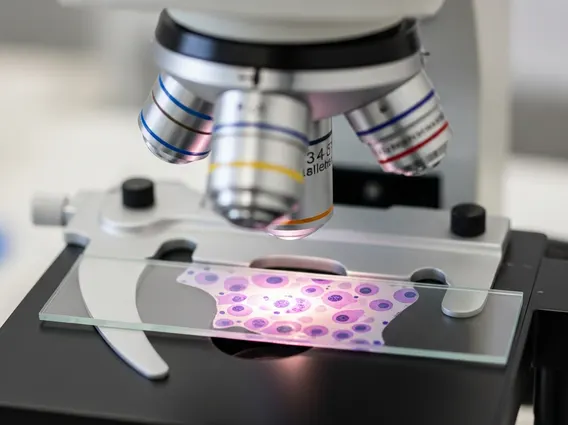
Within Stage I, there are further sub-classifications based on the size and depth of invasion. For instance, Stage IA involves microscopic cancer that can only be seen with a microscope, while Stage IB involves larger tumors that are still confined to the cervix but may be visible without a microscope. Early detection, often through routine Pap tests and HPV screening, is paramount because cancer at this stage is typically localized and has a high chance of cure. According to the American Cancer Society, the 5-year relative survival rate for localized cervical cancer (which includes Stage I) is approximately 92% (Source: American Cancer Society, “Survival Rates for Cervical Cancer,” accessed 2023).
Stage I Cervical Cancer Symptoms
One of the most challenging aspects of diagnosing early-stage cervical cancer is the frequent absence of noticeable symptoms. Many individuals with Stage I Cervical Cancer symptoms may not experience any signs at all, especially in the very early sub-stages (IA1). This lack of overt symptoms highlights the critical role of regular cervical cancer screening, such as Pap tests and HPV tests, in detecting precancerous changes or early-stage cancer before it progresses.
When symptoms do occur, they are often subtle and can be mistaken for other, less serious conditions. Potential signs that may indicate cervical changes, including those associated with Stage I Cervical Cancer, include:
- Abnormal vaginal bleeding, such as bleeding between periods, after sexual intercourse, or after menopause.
- Unusual vaginal discharge that may be watery, bloody, or foul-smelling.
- Pain during sexual intercourse (dyspareunia).
- Pelvic pain that is not related to menstruation.
It is important to note that these symptoms can also be caused by conditions other than cancer. However, persistent or unusual symptoms warrant immediate medical evaluation to determine the underlying cause and ensure timely intervention if cancer is present.
Treatment Options and Prognosis for Stage I Cervical Cancer
The selection of Stage I Cervical Cancer treatment options depends on several factors, including the specific sub-stage of the cancer, the patient’s age, overall health, and desire to preserve fertility. Given that the cancer is localized, surgery is often the primary treatment. For very early Stage IA1 cancers, a conization (cone biopsy) may be sufficient. This procedure removes a cone-shaped piece of tissue from the cervix containing the cancerous cells while preserving the rest of the cervix and uterus, allowing for future pregnancies.
For larger Stage IA or Stage IB cancers, a hysterectomy (surgical removal of the uterus and cervix) may be recommended. In some cases, a radical hysterectomy, which also removes surrounding tissues and lymph nodes, might be necessary. Other treatment modalities, such as radiation therapy or chemotherapy, are generally reserved for more advanced stages or specific situations where surgery is not feasible or additional treatment is needed to reduce recurrence risk. The decision on the most appropriate treatment plan is made collaboratively between the patient and a multidisciplinary team of healthcare professionals.
The prognosis for Stage I Cervical Cancer is generally excellent. Because the cancer is confined to the cervix, treatment is often highly effective. The 5-year relative survival rate for Stage I Cervical Cancer can be as high as 92% or more, depending on the exact sub-stage and the effectiveness of treatment (Source: National Cancer Institute, SEER Program, “Cervical Cancer Statistics,” accessed 2023). Regular follow-up appointments after treatment are crucial to monitor for any signs of recurrence and to manage potential long-term side effects. Early detection and adherence to treatment recommendations significantly contribute to these favorable outcomes.