
Pylorus
The pylorus is a crucial component of the digestive system, serving as the muscular gateway between the stomach and the small intestine. Its precise function is vital for regulating the passage of partially digested food, known as chyme, into the duodenum.
Key Takeaways
- The pylorus is the muscular valve connecting the stomach to the duodenum, comprising the pyloric antrum, canal, and sphincter.
- Its primary role is to regulate the flow of chyme from the stomach into the small intestine, preventing premature release and reflux.
- This regulation ensures efficient digestion and nutrient absorption in the duodenum.
- Conditions like pyloric stenosis, characterized by thickening of the pyloric muscle, can obstruct food passage.
- Common symptoms of pyloric stenosis include projectile vomiting, persistent hunger, and weight loss, particularly in infants.
What Is the Pylorus: Anatomy and Location
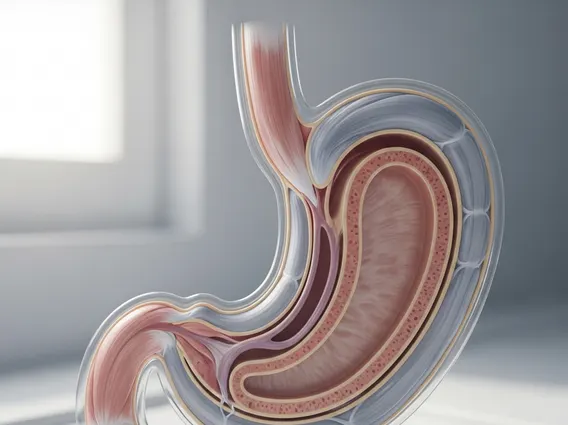
The Pylorus refers to the narrow, muscular opening that connects the lower part of the stomach (antrum) to the first section of the small intestine, called the duodenum. This critical structure is responsible for controlling the outflow of gastric contents. The pylorus anatomy and location are key to its function, as it is composed of several distinct parts:
- Pyloric Antrum: The wider, funnel-shaped region of the stomach that leads directly to the pyloric canal.
- Pyloric Canal: A narrower tube that connects the antrum to the duodenum.
- Pyloric Sphincter: A thick ring of smooth muscle encircling the end of the pyloric canal, acting as a valve.
Located at the distal end of the stomach, the pyloric sphincter remains mostly closed, opening intermittently to allow small amounts of chyme to pass. This controlled release is essential for the duodenum to neutralize stomach acid and process nutrients effectively, preventing overwhelming the small intestine’s digestive capacity.
Pylorus Function in Digestion
The pylorus function in digestion is primarily to regulate the emptying of the stomach into the duodenum. After food is churned and mixed with gastric juices in the stomach, it becomes a semi-liquid substance called chyme. The pyloric sphincter acts as a gatekeeper, allowing only small, manageable amounts of chyme to enter the duodenum at a time. This controlled release is crucial for several reasons:
- It allows the duodenum sufficient time to neutralize the acidic chyme with bicarbonate from the pancreas.
- It ensures that digestive enzymes from the pancreas and bile from the liver have adequate time to mix with and break down nutrients.
- It prevents the small intestine from being overloaded, which could impair digestion and absorption.
The opening and closing of the pyloric sphincter are regulated by a complex interplay of neural and hormonal signals, including hormones like cholecystokinin (CCK) and secretin, which are released in response to the composition of chyme entering the duodenum. This intricate coordination ensures optimal conditions for nutrient absorption in the small intestine.
Pyloric Stenosis Symptoms
Pyloric stenosis is a medical condition characterized by the thickening and narrowing of the pyloric sphincter, which obstructs the passage of food from the stomach to the small intestine. This condition is most commonly seen in infants, typically appearing between 2 and 8 weeks of age, though it can occur later. The pyloric stenosis symptoms are often progressive and can become severe if left untreated. According to the American Academy of Pediatrics, pyloric stenosis affects approximately 3 out of every 1,000 live births in the United States.
Key symptoms include:
- Projectile Vomiting: This is the hallmark symptom, where the infant forcefully vomits breast milk or formula, often across a room, usually within 30 minutes of feeding. The vomit typically does not contain bile.
- Persistent Hunger: Despite vomiting, infants with pyloric stenosis remain hungry and eager to feed, as food is not reaching their intestines for absorption.
- Weight Loss or Failure to Gain Weight: Due to the inability to retain food, infants may lose weight or fail to thrive.
- Dehydration: Reduced fluid intake and increased fluid loss through vomiting can lead to dehydration, characterized by fewer wet diapers, sunken soft spots (fontanelles), and lethargy.
- Abdominal Waves: Visible waves of muscle contractions (peristalsis) may be seen across the infant’s upper abdomen as the stomach tries to push food through the narrowed pylorus.
- Constipation: As little to no food reaches the intestines, bowel movements may become less frequent.
Early diagnosis and treatment, often involving a surgical procedure called pyloromyotomy, are crucial for infants with pyloric stenosis to prevent serious complications like malnutrition and electrolyte imbalances.



















