Erythrocyte
Erythrocytes, commonly known as red blood cells, are essential components of blood, playing a critical role in the transport of gases throughout the body. These specialized cells are fundamental for sustaining life by ensuring oxygen delivery to tissues and carbon dioxide removal.
Key Takeaways
- Erythrocytes are red blood cells, vital for oxygen transport.
- They contain hemoglobin, a protein that binds oxygen and carbon dioxide.
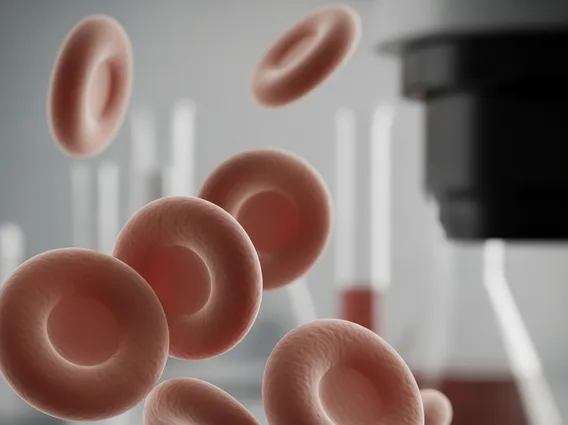
- Their unique biconcave disc shape enhances gas exchange efficiency.
- Erythrocytes are produced in the bone marrow and have a lifespan of about 120 days.
- Maintaining healthy erythrocyte levels is crucial for overall physiological function.
What is an Erythrocyte (Red Blood Cell)?
An Erythrocyte, also known as a red blood cell, is a primary cellular component of blood responsible for the vital task of transporting oxygen from the lungs to the body’s tissues and carrying carbon dioxide back to the lungs for exhalation. The red blood cell definition highlights its distinctive biconcave disc shape, which maximizes its surface area-to-volume ratio, facilitating efficient gas exchange. Unlike most other cells in the human body, mature erythrocytes lack a nucleus and mitochondria, optimizing their internal space for hemoglobin, the iron-rich protein crucial for gas binding.
The erythrocyte meaning and purpose are intrinsically linked to its role in respiration. These cells are produced in the bone marrow through a process called erythropoiesis and circulate in the bloodstream for approximately 120 days before being removed by the spleen and liver. Their flexibility allows them to navigate even the narrowest capillaries, ensuring oxygen reaches every part of the body. Healthy adults typically have between 4.5 and 5.5 million erythrocytes per microliter of blood, underscoring their abundance and indispensable contribution to physiological processes (Source: Medical consensus from various health organizations).
Erythrocyte Function and Importance
The primary erythrocyte function is the transport of respiratory gases. This critical role is primarily carried out by hemoglobin, which gives erythrocytes their characteristic red color. Hemoglobin molecules contain iron, which reversibly binds to oxygen in the oxygen-rich environment of the lungs. As erythrocytes travel through the bloodstream to oxygen-deprived tissues, hemoglobin releases oxygen, making it available for cellular metabolism.
Beyond oxygen delivery, erythrocytes also play a significant role in transporting carbon dioxide, a waste product of cellular respiration, from the tissues back to the lungs. While a portion of carbon dioxide is carried directly by hemoglobin, a larger amount is converted into bicarbonate ions within the erythrocyte, which then diffuses into the plasma. This mechanism is crucial for maintaining the body’s pH balance. The importance of erythrocytes cannot be overstated, as their efficient functioning is fundamental for:
- Delivering life-sustaining oxygen to all cells and tissues.
- Removing metabolic waste products, specifically carbon dioxide.
- Contributing to the regulation of blood pH.
- Supporting overall cellular energy production and organ function.
Any disruption in erythrocyte production, structure, or function can lead to various medical conditions, such as anemia, which impairs the body’s ability to transport oxygen effectively, highlighting their indispensable role in maintaining health and survival.