
Supratentorium
The supratentorium refers to a major anatomical division of the brain, encompassing the structures located above the tentorium cerebelli. This critical region is responsible for a vast array of higher cognitive functions and plays a central role in neurological health.
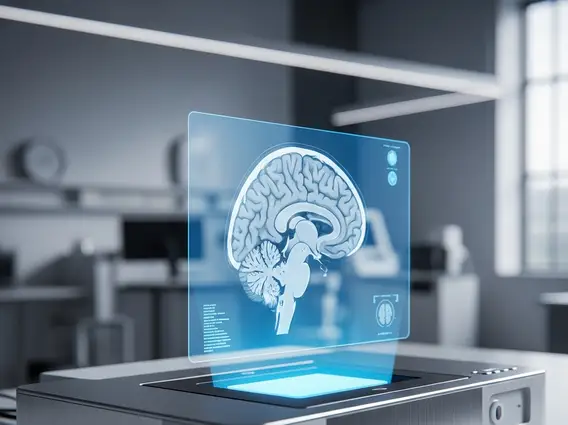
Key Takeaways
- The Supratentorium is the brain region situated above the tentorium cerebelli, a dural fold separating it from the infratentorium.
- It primarily comprises the cerebral hemispheres, responsible for complex cognitive functions like thought, memory, and language.
- Key structures within this region include the cerebral cortex, basal ganglia, thalamus, and hypothalamus.
- Damage or disease in the supratentorial region can lead to a wide range of neurological deficits, including motor, sensory, and cognitive impairments.
- Understanding the anatomy and function of the supratentorium is crucial for diagnosing and treating various neurological conditions.
What is Supratentorium?
The **Supratentorium** is a significant anatomical division within the human brain, defined by its position relative to the tentorium cerebelli. This dural fold acts as a partition, separating the cerebrum (located above) from the cerebellum and brainstem (located below, in the infratentorium). From a **supratentorium definition medical** perspective, it encompasses the largest and most complex parts of the brain, primarily the cerebral hemispheres, along with deep structures like the thalamus, hypothalamus, and basal ganglia. This region is vital for processing sensory information, initiating voluntary movements, and executing higher-order cognitive functions.
Understanding the boundaries and components of the supratentorium is fundamental in clinical neurology, as various neurological conditions are localized to either the supratentorial or infratentorial compartments, guiding diagnosis and treatment strategies.
Supratentorium Anatomy and Function
The **supratentorium anatomy and function** are intricately linked, with its complex structures facilitating the most advanced human capabilities. The primary components of this region are the two cerebral hemispheres, which are further divided into four main lobes: frontal, parietal, temporal, and occipital. Each lobe has specialized functions, contributing to the overall cognitive and motor repertoire of an individual.
The **supratentorial brain region explained** involves several key structures:
- Cerebral Cortex: The outermost layer of the cerebral hemispheres, responsible for conscious thought, perception, memory, language, and voluntary movement.
- Basal Ganglia: A group of subcortical nuclei involved in motor control, learning, and executive functions.
- Thalamus: A major relay station for sensory information, directing it to appropriate areas of the cerebral cortex.
- Hypothalamus: Controls essential bodily functions such as temperature regulation, hunger, thirst, and hormone release.
- Limbic System: Involved in emotion, motivation, and memory, including structures like the hippocampus and amygdala.
Collectively, these structures enable functions ranging from interpreting sensory input and coordinating complex movements to forming memories, expressing emotions, and engaging in abstract thought. The intricate network of neurons and pathways within the supratentorium allows for seamless integration of these diverse functions, making it the seat of human consciousness and intellect.
Clinical Significance of the Supratentorial Region
The supratentorial region holds immense clinical significance due to its critical role in neurological function. A wide array of neurological disorders can affect this area, leading to diverse and often debilitating symptoms. Conditions such as strokes, brain tumors, epilepsy, and neurodegenerative diseases frequently originate or manifest within the supratentorium.
For instance, supratentorial strokes, which involve blood supply disruption to the cerebral hemispheres, can result in hemiparesis (weakness on one side of the body), aphasia (language difficulties), or visual field defects. Brain tumors in this region can cause headaches, seizures, personality changes, or focal neurological deficits depending on their location and size. Epilepsy, characterized by abnormal electrical activity in the brain, often has its seizure foci within the cerebral cortex of the supratentorium. Neurodegenerative conditions like Alzheimer’s disease primarily affect cortical areas within this region, leading to progressive cognitive decline.
Accurate diagnosis of supratentorial pathologies relies heavily on advanced neuroimaging techniques such as Magnetic Resonance Imaging (MRI) and Computed Tomography (CT) scans, alongside thorough neurological examinations. Treatment approaches vary widely, including surgical intervention for tumors or hydrocephalus, medication for epilepsy or stroke management, and rehabilitation therapies to mitigate functional impairments. Understanding the specific location and extent of supratentorial lesions is paramount for effective patient care and prognosis.



















