Supraclavicular Lymph Node
The supraclavicular lymph node is a critical component of the body’s lymphatic system, located in a significant anatomical region. Understanding its function and the implications of its enlargement is vital for both general health awareness and medical diagnosis.
Key Takeaways
- Supraclavicular lymph nodes are located above the collarbone and are part of the body’s immune defense.
- Enlargement of these nodes often signals an underlying medical condition, ranging from infections to serious malignancies.
- Common supraclavicular lymph node causes include infections in the head, neck, or upper chest, as well as various cancers.
- Key supraclavicular lymph node symptoms include a palpable lump, tenderness, and sometimes associated systemic signs like weight loss or fever.
- Any persistent enlargement warrants prompt medical evaluation due to its potential association with serious conditions.
What is a Supraclavicular Lymph Node?
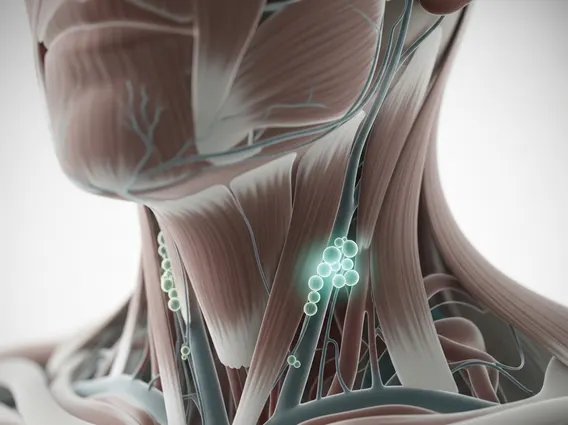
A Supraclavicular Lymph Node refers to any of the lymph nodes situated in the supraclavicular fossa, the indentation just above the clavicle (collarbone). These nodes are integral parts of the lymphatic system, a network of vessels and organs that play a crucial role in the body’s immune defense. They filter lymph fluid, trapping bacteria, viruses, and other harmful substances, and house immune cells that fight infection. The location of these particular nodes is anatomically significant because they drain lymph from a wide area, including the head, neck, upper chest, and parts of the abdomen. Therefore, their condition can provide important clues about the health of these regions.
Causes of Supraclavicular Lymph Node Enlargement
The enlarged supraclavicular lymph node meaning often points to an underlying medical issue, as these nodes are not typically palpable in healthy individuals. The supraclavicular lymph node causes for enlargement are diverse, ranging from benign conditions to serious malignancies. When these nodes swell, it indicates that they are actively fighting an infection or filtering abnormal cells.
Common causes include:
- Infections: Bacterial or viral infections in the head, neck, or upper respiratory tract can lead to reactive enlargement. Examples include pharyngitis, tonsillitis, or skin infections.
- Inflammatory Conditions: Certain autoimmune diseases or inflammatory processes can cause lymphadenopathy (lymph node enlargement).
- Malignancies: This is a particularly concerning cause, as supraclavicular lymphadenopathy, especially on the left side (Virchow’s node), is often associated with cancers originating in the abdomen, pelvis, or chest (e.g., stomach, lung, ovarian, or colorectal cancer). Right-sided enlargement may suggest malignancies in the mediastinum, lungs, or esophagus. Lymphomas and leukemias can also manifest with enlarged supraclavicular nodes.
According to a study published in the Journal of Clinical Oncology, supraclavicular lymphadenopathy has a high predictive value for malignancy, with rates reported to be as high as 50-90% in adult patients, depending on the specific population studied. This underscores the importance of thorough investigation when such enlargement is detected.
Symptoms of an Enlarged Supraclavicular Lymph Node
The primary supraclavicular lymph node symptoms are often the presence of a palpable lump or swelling above the collarbone. This lump may vary in size, consistency, and tenderness depending on the underlying cause.
Key symptoms and characteristics to observe include:
- Palpable Mass: The most common symptom is feeling a lump in the supraclavicular area. It might be soft and movable if due to infection, or firm, fixed, and non-tender if indicative of malignancy.
- Tenderness or Pain: While infectious causes often present with tenderness or pain upon touch, malignant nodes are frequently painless.
- Associated Systemic Symptoms: Depending on the cause, an enlarged node might be accompanied by other symptoms such as fever, unexplained weight loss, night sweats, fatigue, or loss of appetite. If related to lung issues, a cough or difficulty breathing may be present, or abdominal pain if an abdominal malignancy is the cause.
Any newly discovered or persistently enlarged supraclavicular lymph node should prompt immediate medical attention for proper diagnosis and management. Early detection is crucial, especially when malignancy is a potential concern.