Stage 0 Squamous Cell Carcinoma
Stage 0 Squamous Cell Carcinoma represents the earliest and most treatable form of squamous cell carcinoma, a common type of skin cancer. Understanding this initial stage is crucial for effective management and excellent long-term outcomes.
Key Takeaways
- Stage 0 Squamous Cell Carcinoma, also known as squamous cell carcinoma in situ or Bowen’s disease, is the earliest form of this skin cancer.
- It is non-invasive, meaning the cancerous cells are confined to the outermost layer of the skin (epidermis) and have not spread deeper.
- Common symptoms include persistent red, scaly patches that may be crusty or tender, often appearing on sun-exposed areas.
- Diagnosis typically involves a skin biopsy after a clinical examination.
- Treatment options are highly effective, with surgical removal and topical therapies being common, leading to an excellent prognosis with high cure rates.
What is Stage 0 Squamous Cell Carcinoma?
Stage 0 Squamous Cell Carcinoma refers to the earliest form of squamous cell carcinoma (SCC), a prevalent type of non-melanoma skin cancer. It is also commonly known as squamous cell carcinoma in situ or Bowen’s disease. The term “in situ” signifies that the cancerous cells are confined entirely to the epidermis, the outermost layer of the skin, and have not yet invaded the deeper layers (dermis). This non-invasive characteristic is what distinguishes Stage 0 from more advanced stages of SCC.
This condition typically develops in areas frequently exposed to ultraviolet (UV) radiation from the sun or tanning beds, such as the face, scalp, neck, and hands. While it is considered a slow-growing cancer, if left untreated, Stage 0 Squamous Cell Carcinoma has the potential to progress into invasive SCC, where cancer cells penetrate deeper into the skin and may spread to other parts of the body, though this is rare at this stage. According to the American Academy of Dermatology, SCC is the second most common type of skin cancer, with millions of cases diagnosed annually in the United States.
Symptoms and Diagnosis of Stage 0 Squamous Cell Carcinoma
Recognizing stage 0 squamous cell carcinoma symptoms is key to early detection and successful treatment. Unlike some other skin cancers, Stage 0 SCC often presents as a persistent, reddish, scaly patch or plaque on the skin. These lesions can sometimes be crusty, rough, or slightly raised, and may occasionally itch or feel tender. They typically do not heal on their own and may slowly enlarge over time. Common locations include sun-exposed areas like the face, ears, neck, scalp, and extremities, but they can appear anywhere on the body, including mucous membranes.
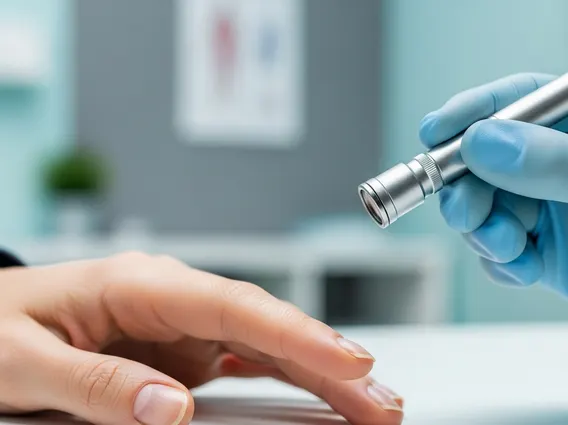
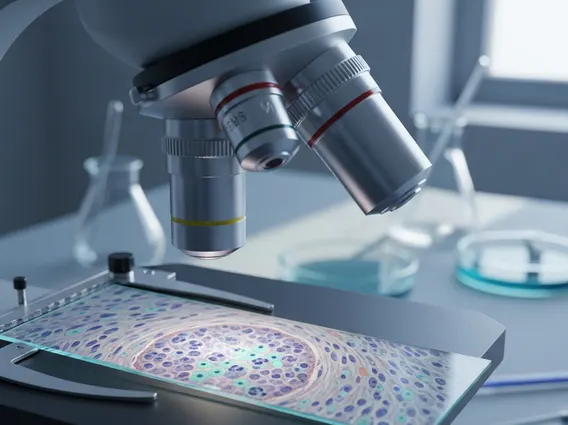
Diagnosis begins with a thorough clinical examination by a dermatologist, who will inspect any suspicious skin lesions. If a lesion raises concern, a biopsy is performed. This usually involves a shave biopsy or a punch biopsy, where a small sample of the affected skin is removed and sent to a pathology lab for microscopic examination. The pathologist confirms the presence of cancerous cells and determines if they are confined to the epidermis, thereby confirming the diagnosis of Stage 0 Squamous Cell Carcinoma.
Treatment and Prognosis for Stage 0 Squamous Cell Carcinoma
The treatment for Stage 0 Squamous Cell Carcinoma aims to completely remove or destroy the cancerous cells while preserving as much healthy tissue as possible. Due to its non-invasive nature, Stage 0 SCC is highly curable. Several effective treatment options are available, chosen based on the lesion’s size, location, the patient’s overall health, and cosmetic considerations:
- Surgical Excision: The most common method, involving cutting out the cancerous lesion along with a small margin of healthy skin. This offers a high cure rate.
- Curettage and Electrodessication (C&E): The lesion is scraped off with a curette, and the base is then cauterized with an electric needle to destroy remaining cancer cells.
- Topical Therapies: Creams such as 5-fluorouracil (5-FU) or imiquimod can be applied to the skin to destroy cancer cells, particularly for larger or multiple superficial lesions.
- Photodynamic Therapy (PDT): A photosensitizing agent is applied to the skin, followed by exposure to a specific light source, which activates the agent to destroy cancer cells.
- Cryotherapy: Liquid nitrogen is used to freeze and destroy the cancerous cells.
The prognosis Stage 0 Squamous Cell Carcinoma is excellent, with cure rates typically ranging from 95% to 99% when treated appropriately. Because the cancer cells are confined to the epidermis, the risk of metastasis (spread to distant sites) is extremely low. However, individuals diagnosed with Stage 0 SCC have an increased risk of developing new skin cancers in the future, including other SCCs, basal cell carcinomas, or even melanoma. Therefore, regular follow-up skin examinations and diligent sun protection practices, such as wearing protective clothing, seeking shade, and using broad-spectrum sunscreen, are essential for long-term health and prevention of recurrence.