Stage 0 Non Small Cell Lung Carcinoma In Situ
Stage 0 Non Small Cell Lung Carcinoma In Situ represents the earliest and most localized form of non-small cell lung cancer. This condition is characterized by the presence of abnormal cells confined strictly to the innermost lining of the lung’s airways, without any invasion into deeper tissues.
Key Takeaways
- Stage 0 Non Small Cell Lung Carcinoma In Situ is the earliest, non-invasive form of lung cancer, confined to the superficial cell layer.
- It typically presents with no noticeable symptoms, making early detection challenging without screening.
- Diagnosis often occurs incidentally through imaging or targeted screening for high-risk individuals.
- Treatment is highly effective, often curative, with surgery or endoscopic procedures being common approaches.
- Early detection through screening programs significantly improves prognosis and treatment outcomes.
What is Stage 0 Non Small Cell Lung Carcinoma In Situ?
Stage 0 Non Small Cell Lung Carcinoma In Situ is a pre-invasive condition where abnormal cells are found only in the very top layer of cells lining the airways of the lung. These cells have not yet invaded the surrounding lung tissue, lymph nodes, or spread to distant parts of the body. The term non small cell lung carcinoma in situ meaning refers to the fact that the cancer cells are “in their original place” and have not breached the basement membrane, which is a critical distinction from invasive cancer.
This stage is considered the most favorable for treatment, often leading to a complete cure. It’s crucial to understand that while these cells are abnormal and have the potential to become invasive cancer, at Stage 0, they are not yet life-threatening in the same way invasive cancers are. According to the American Cancer Society, early detection and treatment of localized lung cancer significantly improve survival rates, underscoring the importance of identifying conditions like Stage 0 NSCLC In Situ.
Symptoms and Diagnosis of Stage 0 Lung Cancer
The challenge with stage 0 lung cancer symptoms and diagnosis is that this condition typically presents with no noticeable symptoms. Because the abnormal cells are confined to the superficial layer of the airway lining and have not invaded deeper tissues or caused significant inflammation, patients rarely experience cough, shortness of breath, chest pain, or other common lung cancer indicators. This asymptomatic nature means that Stage 0 lung cancer is often discovered incidentally or through targeted screening programs.
Diagnosis primarily relies on advanced imaging and biopsy techniques. Key diagnostic methods include:
- Low-dose computed tomography (LDCT) screening: Recommended for individuals at high risk of lung cancer, such as heavy smokers aged 50-80. LDCT can identify small abnormalities in the lungs before they cause symptoms.
- Bronchoscopy with biopsy: If an abnormality is detected, a bronchoscopy may be performed. A thin, flexible tube with a camera is inserted into the airways to visualize the suspicious area and collect tissue samples for pathological examination.
- Sputum cytology: In some cases, a sample of mucus coughed up from the lungs is examined under a microscope for cancer cells, though this method is less sensitive for in situ lesions.
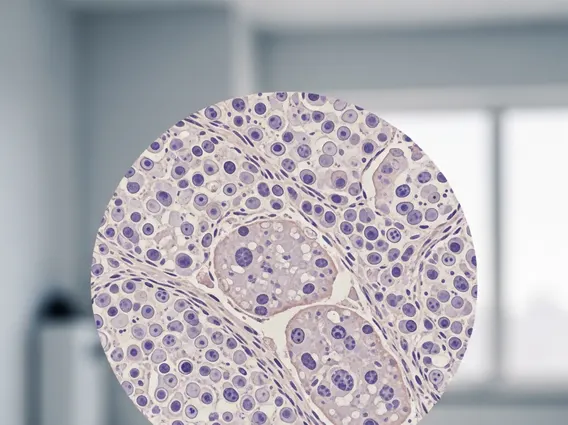
The definitive diagnosis of Stage 0 is made by a pathologist who examines the biopsy samples, confirming that the abnormal cells are present but have not penetrated beyond the epithelial layer.
Early Stage Non Small Cell Lung Cancer Treatment
The primary goal of early stage non small cell lung cancer treatment is the complete removal or destruction of the abnormal cells to prevent progression to invasive cancer. Given the non-invasive nature of Stage 0, treatment is often highly effective and curative. The choice of treatment depends on the location and size of the lesion, as well as the patient’s overall health.
Common treatment approaches include:
- Surgical Resection: This is often the preferred method. It involves removing the affected part of the lung. Depending on the extent, this could be a wedge resection (removal of a small, wedge-shaped piece of lung tissue) or a segmentectomy (removal of a larger segment of a lung lobe). The aim is to remove all abnormal cells with clear margins.
- Endoscopic Procedures: For lesions located in the larger airways and accessible via bronchoscopy, less invasive techniques may be used. These include laser therapy, photodynamic therapy (PDT), or electrocautery, which destroy the abnormal cells directly.
- Radiation Therapy: While less common for pure in situ disease, radiation therapy might be considered in specific circumstances, particularly for patients who are not candidates for surgery due to other health conditions.
Following treatment, regular follow-up appointments are essential to monitor for any signs of recurrence or the development of new lesions, ensuring long-term health and well-being.