Stage 0 Melanoma
Stage 0 Melanoma, also known as melanoma in situ, represents the earliest form of skin cancer. Understanding this initial stage is crucial for effective treatment and achieving a favorable outcome.
Key Takeaways
- Stage 0 Melanoma is a non-invasive form of skin cancer, confined to the outermost layer of the skin (epidermis).
- It typically presents as a changing mole or new lesion, often without distinct stage 0 melanoma symptoms beyond visual changes.
- Diagnosis relies on visual inspection, dermoscopy, and an excisional biopsy.
- The primary treatment for Stage 0 Melanoma is surgical removal (wide local excision).
- The stage 0 melanoma prognosis is excellent, with a very high cure rate due to its non-invasive nature.
What is Stage 0 Melanoma?
Stage 0 Melanoma refers to melanoma in situ, a condition where abnormal melanocyte cells are present only in the epidermis, the outermost layer of the skin. The term “in situ” means “in its original place,” indicating that the cancer cells have not yet invaded deeper into the dermis or spread to other parts of the body. This non-invasive characteristic is what distinguishes Stage 0 from more advanced stages of melanoma.
Because the cancerous cells are confined to the surface, Stage 0 Melanoma is considered highly curable. It is vital to detect and treat melanoma at this stage to prevent it from progressing to an invasive form, which would require more extensive treatment and carry a different prognosis. Early detection through regular skin checks and professional examinations is paramount.
Recognizing Stage 0 Melanoma: Signs and Diagnosis
Unlike more advanced cancers, stage 0 melanoma symptoms are often subtle and primarily involve changes in the appearance of a mole or the development of a new, suspicious lesion. There are typically no physical sensations like pain, itching, or bleeding at this stage, making visual vigilance essential. Individuals should regularly check their skin for any new or changing moles, paying close attention to the following ABCDE criteria:
- Asymmetry: One half of the mole does not match the other half.
- Border irregularity: The edges are ragged, notched, or blurred.
- Color variation: The mole has uneven color, with shades of brown, black, tan, or even red, white, or blue.
- Diameter: The mole is larger than 6 millimeters (about the size of a pencil eraser), though melanomas can be smaller.
- Evolving: The mole is changing in size, shape, color, or elevation, or any new symptom like bleeding, itching, or crusting appears.
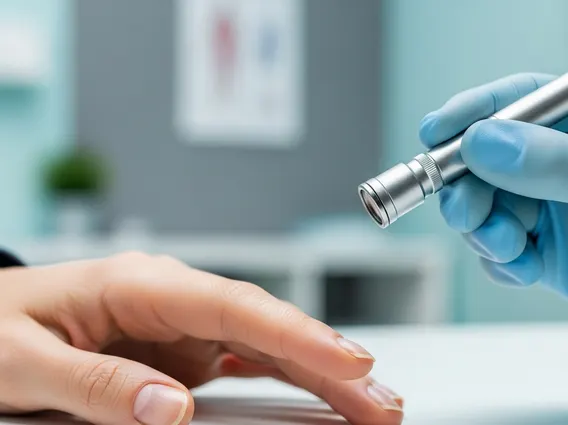
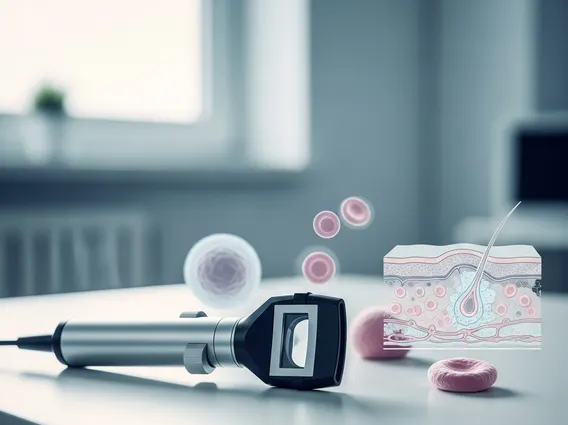
Diagnosis begins with a thorough visual examination by a dermatologist, often using a dermatoscope, a specialized magnifying tool. If a suspicious lesion is identified, an excisional biopsy is performed. This involves surgically removing the entire lesion along with a small margin of healthy skin for microscopic analysis. The biopsy is the definitive method to confirm the presence of melanoma and determine its stage.
Treatment Options and Prognosis for Stage 0 Melanoma
The primary and most effective treatment for Stage 0 Melanoma is surgical removal, specifically a wide local excision. During this procedure, the dermatologist or surgeon removes the melanoma along with a small margin of healthy tissue surrounding it. This margin ensures that all cancerous cells are excised, minimizing the risk of recurrence. The typical margin for Stage 0 Melanoma is usually 0.5 to 1.0 centimeter, depending on the location and other factors.
Because Stage 0 Melanoma has not invaded beyond the epidermis, additional treatments such as lymph node biopsies, chemotherapy, radiation therapy, or targeted therapies are generally not required. The goal is to completely remove the lesion, which is typically curative at this early stage.
The stage 0 melanoma prognosis is exceptionally good, with a nearly 100% cure rate when treated promptly and appropriately. The risk of recurrence or progression to invasive melanoma after complete excision is very low. However, individuals who have had Stage 0 Melanoma are at an increased risk of developing new melanomas elsewhere on their skin. Therefore, lifelong follow-up care, including regular full-body skin exams by a dermatologist and consistent self-skin checks, is crucial. Sun protection measures, such as wearing protective clothing and using broad-spectrum sunscreen, are also highly recommended to prevent future skin cancers.