Slippery Elm
Slippery Elm refers to a natural product derived from the inner bark of the red elm tree, Ulmus rubra, traditionally valued for its soothing properties. This article explores its botanical background, historical applications, potential health benefits, and proper usage.
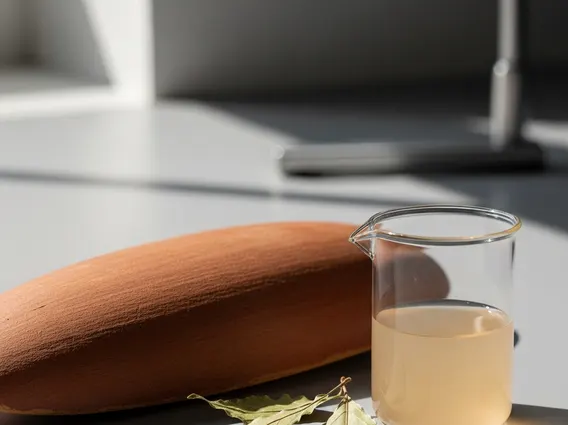
Key Takeaways
- Slippery Elm is sourced from the inner bark of the *Ulmus rubra* tree, native to North America.
- It contains mucilage, a substance that forms a gel-like consistency when mixed with water, providing soothing effects.
- Historically and currently, it is often used for digestive comfort and to alleviate irritation in mucous membranes.
- Potential benefits include supporting gastrointestinal health and soothing sore throats, though scientific evidence varies.
- Always consult a healthcare professional before using Slippery Elm, especially if taking other medications, to ensure safe and appropriate use.
What is Slippery Elm? Botanical Overview and Traditional Uses
Slippery Elm is a natural product obtained from the inner bark of the *Ulmus rubra* tree, also known as red elm or moose elm, which is indigenous to eastern and central North America. The tree’s inner bark is renowned for its unique property of producing a thick, gelatinous substance called mucilage when mixed with water. This mucilage is primarily composed of polysaccharides, which are complex carbohydrates that swell and become slippery, providing a protective and soothing coating.
Historically, slippery elm bark traditional uses date back centuries, with Native Americans utilizing it extensively for various purposes. They employed it as a poultice for wounds, burns, and skin irritations, and internally for digestive complaints, coughs, and sore throats. Its demulcent properties, attributed to the mucilage, were highly valued for their ability to soothe irritated mucous membranes throughout the body, including the gastrointestinal tract and respiratory system. This long history of use underscores its perceived efficacy in traditional herbal medicine.
Slippery Elm: Therapeutic Benefits and Potential Side Effects
Slippery Elm is often sought after for its potential therapeutic benefits, primarily due to its mucilage content. This demulcent action is believed to coat and soothe irritated tissues, which may offer relief for various conditions. While research is ongoing, some of the commonly cited benefits include:
- Digestive Support: It may help alleviate symptoms of gastrointestinal discomfort such as heartburn, acid reflux, and irritable bowel syndrome (IBS) by forming a protective barrier in the digestive tract.
- Sore Throat Relief: When taken as a lozenge or tea, the mucilage can coat the throat, potentially reducing irritation and coughing associated with colds or other respiratory issues.
- Skin Soothing: Applied topically as a paste, it has been traditionally used to soothe minor skin irritations, wounds, and burns.
Despite its potential benefits, it’s important to be aware of slippery elm benefits and side effects. Generally, Slippery Elm is considered safe for most people when taken in recommended doses. However, potential side effects are typically mild and may include:
- Digestive Upset: Some individuals may experience mild bloating, gas, or diarrhea, especially with high doses.
- Medication Absorption: Due to its mucilage content, Slippery Elm can slow down the absorption of other medications. It is generally advised to take Slippery Elm at least one hour after or several hours before other oral medications to prevent interference.
There is limited data on its safety during pregnancy and breastfeeding, so it is best to avoid use or consult a healthcare provider in these situations. Always discuss with a doctor before starting any new supplement, especially if you have underlying health conditions or are taking other medications.
How to Take Slippery Elm for Health
Slippery Elm is available in several forms, each suitable for different health purposes. The most common forms include powder, capsules, and lozenges. The appropriate method and dosage depend on the specific condition being addressed and the product concentration.
For digestive issues, the powdered bark is often mixed with water to create a gruel or a thick drink, which allows the mucilage to directly coat the digestive tract. Capsules offer a convenient way to ingest a standardized dose. Lozenges are particularly useful for soothing sore throats, as they allow the mucilage to slowly dissolve and coat the pharynx. It is crucial to follow the dosage instructions provided on the product label or as advised by a healthcare professional. For instance, a common recommendation for the powdered form might be 1-2 tablespoons mixed into a glass of water, taken up to three times daily, but this can vary significantly.
When preparing Slippery Elm powder, ensure it is thoroughly mixed with liquid to avoid clumping. Adequate hydration is also important when taking this supplement, as the mucilage absorbs water. As with any herbal supplement, consistency in use and adherence to recommended guidelines are key to potentially experiencing its benefits. Always consult with a healthcare provider to determine the most appropriate form and dosage for your individual health needs.
Disclaimer: The information provided in this article is for educational purposes only and is not intended to be a substitute for professional medical advice, diagnosis, or treatment. Always seek the advice of your physician or other qualified health provider with any questions you may have regarding a medical condition.