Secondary Ovarian Insufficiency
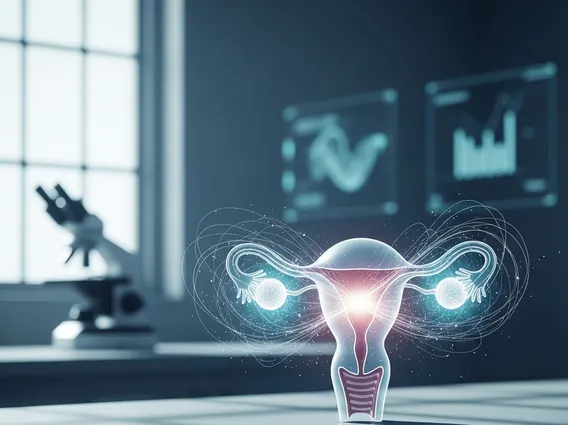
Secondary Ovarian Insufficiency is a complex endocrine condition affecting women’s reproductive health, characterized by impaired ovarian function due to issues originating outside the ovaries. This article explores its definition, underlying causes, characteristic symptoms, and available treatment strategies.
Key Takeaways
- Secondary Ovarian Insufficiency results from impaired signaling from the brain (hypothalamus or pituitary gland) to the ovaries.
- Common underlying factors include hypothalamic dysfunction (e.g., stress, excessive exercise) or pituitary disorders (e.g., tumors).
- Clinical manifestations typically involve irregular or absent menstrual cycles, infertility, and signs of estrogen deficiency.
- Diagnosis often relies on assessing hormone levels, particularly FSH, LH, and estrogen.
- Management focuses on addressing the root cause and hormone replacement therapy to restore function or alleviate symptoms.
What is Secondary Ovarian Insufficiency?
Secondary Ovarian Insufficiency refers to a condition where the ovaries fail to function properly due to a problem originating outside the ovaries themselves, specifically in the hypothalamus or pituitary gland in the brain. Unlike primary ovarian insufficiency, where the ovaries are directly affected, this condition involves a disruption in the hormonal signals that regulate ovarian function. The hypothalamus produces gonadotropin-releasing hormone (GnRH), which stimulates the pituitary gland to release follicle-stimulating hormone (FSH) and luteinizing hormone (LH). These hormones signal the ovaries to produce estrogen and progesterone and to release eggs. When this intricate communication pathway is disrupted, the ovaries do not receive the necessary signals, leading to impaired egg development and hormone production, and a range of reproductive and systemic issues.
Causes and Symptoms of Secondary Ovarian Insufficiency
Understanding the origins and manifestations of this condition is crucial for diagnosis and management. The underlying factors contributing to Secondary Ovarian Insufficiency are diverse, often stemming from issues within the hypothalamic-pituitary axis.
Common causes include:
- Hypothalamic dysfunction: This can be due to excessive exercise, severe stress, significant weight loss, eating disorders (such as anorexia nervosa), or certain chronic illnesses, which suppress GnRH production.
- Pituitary disorders: Tumors (e.g., prolactinomas), infiltrative diseases, or damage to the pituitary gland can impair its ability to produce FSH and LH.
- Other medical conditions: Genetic disorders like Kallmann syndrome or certain autoimmune diseases can also contribute.
- Medications: Some drugs, including opioids or high-dose glucocorticoids, can interfere with the hypothalamic-pituitary-ovarian axis.
The clinical manifestations of Secondary Ovarian Insufficiency largely reflect reduced ovarian hormone production, particularly estrogen. These can vary in severity and may include:
- Irregular or absent menstrual periods (oligomenorrhea or amenorrhea)
- Infertility or difficulty conceiving
- Hot flashes and night sweats
- Vaginal dryness and decreased libido
- Mood changes, including irritability
- Fatigue
- Loss of bone density (osteoporosis) over time, due to chronic estrogen deficiency.
According to the World Health Organization (WHO), menstrual irregularities are a common indicator of underlying endocrine dysfunction, affecting a significant portion of women globally, highlighting the importance of investigating such symptoms.
Secondary Ovarian Insufficiency Treatment
Effective management for Secondary Ovarian Insufficiency focuses on addressing the underlying cause where possible and managing symptoms, particularly hormone deficiencies, to improve quality of life and reproductive outcomes. The specific approach depends on the identified cause and the patient’s individual goals, such as fertility.
Treatment strategies may include:
- Addressing the underlying cause: If due to lifestyle factors like excessive exercise or an eating disorder, modifying these behaviors can sometimes restore normal ovarian function. For pituitary tumors, medical management or surgical removal may be necessary.
- Hormone Replacement Therapy (HRT): For women not seeking pregnancy, estrogen and progestin therapy can alleviate symptoms of estrogen deficiency, such as hot flashes and vaginal dryness, and help maintain bone density. This typically involves cyclic estrogen and progestin.
- Fertility treatments: For women wishing to conceive, treatment often involves pulsatile GnRH therapy or gonadotropin injections (FSH and LH) to directly stimulate ovarian follicle development and ovulation, bypassing hypothalamic or pituitary dysfunction.
- Lifestyle modifications: Maintaining a healthy weight, managing stress, and ensuring adequate nutrition are important supportive measures.
Any information regarding alternative or complementary therapies should be considered supportive only and does not replace conventional medical treatment and consultation with a healthcare professional. All treatment decisions should be made in consultation with a qualified medical provider to ensure safety and efficacy.