Salivary Gland
The salivary glands are vital exocrine glands responsible for producing saliva, a crucial fluid for oral health and initial digestion. Understanding their structure, function, and common conditions is essential for maintaining overall well-being.
Key Takeaways
- Salivary glands produce saliva, essential for digestion, lubrication, and oral hygiene.
- There are three major pairs of salivary glands: parotid, submandibular, and sublingual.
- Saliva contains enzymes, antibodies, and minerals that aid in breaking down food and protecting against pathogens.
- Common conditions include infections (sialadenitis), stones (sialolithiasis), and autoimmune disorders.
- Symptoms like swelling, pain, and dry mouth often indicate underlying salivary gland issues.
What are Salivary Glands?
Salivary Gland refers to any of the exocrine glands in the mouth and throat that produce saliva. These glands are an integral part of the digestive system, playing a critical role in the initial stages of food processing and maintaining oral health. Saliva, the fluid they produce, is a complex mixture of water, electrolytes, mucus, enzymes, and antibacterial compounds. Its primary functions include lubricating the mouth, moistening food to aid swallowing, initiating carbohydrate digestion, and providing a protective barrier against oral pathogens.
Types and Function of Salivary Glands
The human body contains several types of salivary glands, categorized into major and minor glands, each contributing to the overall production of saliva. The three major pairs of salivary glands are responsible for the bulk of saliva production:
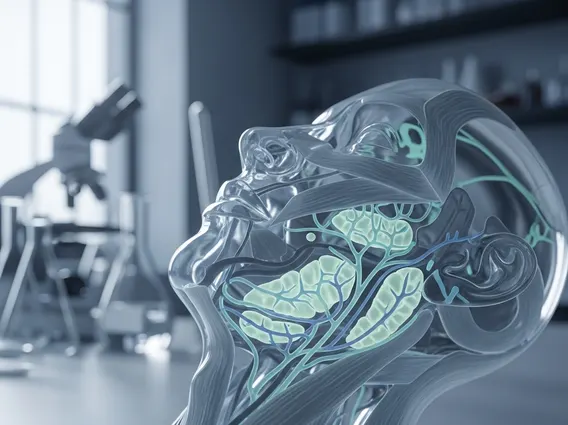
- Parotid Glands: The largest salivary glands, located in front of and below the ears. They produce a serous (watery) saliva rich in enzymes like amylase.
- Submandibular Glands: Situated beneath the jaw, these glands produce a mixed serous and mucous saliva.
- Sublingual Glands: The smallest major glands, located under the tongue, primarily producing mucous saliva.
Beyond these major glands, hundreds of minor salivary glands are scattered throughout the oral cavity in the lips, cheeks, palate, and tongue, contributing a small but continuous flow of mucous saliva.
The collective salivary gland function is multifaceted and critical for various physiological processes. Saliva aids in digestion by breaking down starches and fats, lubricates food for easier swallowing, and dissolves food compounds to enable taste. It also plays a crucial role in oral hygiene by cleansing the mouth and providing protection through antibodies and antimicrobial enzymes, which help prevent infections and tooth decay. Furthermore, saliva helps neutralize acids produced by bacteria, thereby protecting tooth enamel.
Common Salivary Gland Conditions and Symptoms
A range of conditions can affect the salivary glands, leading to discomfort and impaired function. Understanding salivary gland diseases symptoms is crucial for early diagnosis and treatment. Common conditions include:
- Sialadenitis: This is an inflammation or infection of a salivary gland, often caused by bacteria or viruses (like mumps). Symptoms typically include pain, swelling, tenderness, and sometimes fever. The affected gland may feel firm to the touch.
- Sialolithiasis (Salivary Stones): These are calcified structures that form within the salivary ducts, obstructing saliva flow. They are a common cause of salivary gland swelling and pain, especially during or after eating, as saliva production increases but cannot drain properly.
- Sjögren’s Syndrome: An autoimmune disease where the immune system attacks moisture-producing glands, including the salivary glands. This leads to chronic dry mouth (xerostomia) and dry eyes, significantly impacting quality of life.
- Tumors: Both benign and malignant tumors can develop in the salivary glands. While most are benign, any persistent lump or swelling in a salivary gland area warrants medical evaluation. Symptoms can include a painless lump, facial weakness, or difficulty swallowing.
- Cysts: Fluid-filled sacs that can form in or around the salivary glands, often due to trauma or blockage.
If you experience persistent swelling, pain, dry mouth, or any unusual lumps in the area of your salivary glands, it is important to consult a healthcare professional for an accurate diagnosis and appropriate management. Early intervention can prevent complications and improve outcomes.