Sacrum
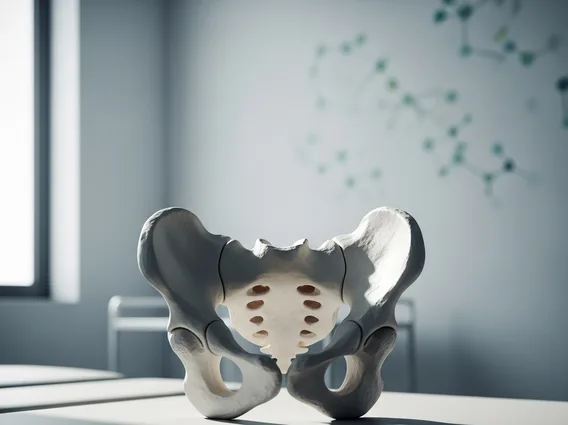
The sacrum is a vital, triangular-shaped bone located at the base of the spine, playing a crucial role in supporting the upper body and connecting the spine to the pelvis. Understanding its structure and function is essential for comprehending overall spinal health and potential sources of lower back discomfort.
Key Takeaways
- The Sacrum is a triangular bone formed by five fused vertebrae, situated between the lumbar spine and the coccyx.
- It is centrally located in the pelvis, connecting the spine to the hip bones via the sacroiliac joints.
- Its primary functions include providing stability to the pelvis, supporting the body’s weight, and protecting the nerves that exit through its foramina.
- Sacrum pain often stems from issues with the sacroiliac joints, trauma, or inflammation, manifesting as lower back and buttock discomfort.
- Early diagnosis and appropriate medical intervention are important for managing sacral pain and restoring function.
What is the Sacrum and Where is it Located?
The Sacrum is a large, triangular bone located at the base of the spine, nestled between the two hip bones (ilia) and above the coccyx (tailbone). It is formed by the fusion of five individual vertebrae, typically designated S1 through S5, which usually occurs between the ages of 18 and 30. This fusion process creates a strong, stable structure that is integral to the pelvic girdle.
Regarding where is the sacrum located, it sits centrally at the posterior aspect of the pelvis. It articulates superiorly with the fifth lumbar vertebra (L5) to form the lumbosacral joint, and laterally with the ilium of each hip bone, creating the two sacroiliac (SI) joints. These joints are critical for transmitting the weight of the upper body to the lower limbs, making the sacrum a cornerstone of spinal and pelvic stability.
Sacrum Anatomy and Function
The sacrum anatomy and function are intricately linked, highlighting its importance in human biomechanics. Anatomically, its anterior surface is concave, while the posterior surface is convex and rough. It features several openings, known as sacral foramina, which allow for the passage of sacral nerves and blood vessels. The superior part, or base, is wide, tapering down to the apex which articulates with the coccyx.
The primary functions of the sacrum bone include:
- Weight Bearing: It acts as a keystone, transferring the weight of the upper body from the spine to the pelvis and then to the legs.
- Pelvic Stability: Through its strong articulations with the ilia at the sacroiliac joints, it provides significant stability to the entire pelvic region.
- Nerve Protection: The sacral canal, a continuation of the vertebral canal, houses and protects the cauda equina and sacral nerves as they exit the spinal cord.
- Muscle Attachment: Its surfaces provide attachment points for various muscles and ligaments that are crucial for movement and stability of the spine and pelvis.
The robust design of the sacrum is essential for activities such as standing, walking, and lifting, as it withstands considerable stress and strain.
Sacrum Pain: Causes and Symptoms
Sacrum pain causes and symptoms can vary widely, often presenting as discomfort in the lower back, buttocks, or even radiating down the legs. One of the most common causes of sacral pain is sacroiliac (SI) joint dysfunction, which occurs when there is either too much or too little movement in the joint connecting the sacrum to the ilium. This can lead to inflammation and pain.
Other potential causes of sacrum pain include:
- Trauma: Falls, accidents, or direct impact to the area can cause fractures or sprains.
- Inflammation: Conditions like arthritis (e.g., ankylosing spondylitis) can affect the SI joints.
- Degenerative Changes: Wear and tear over time can lead to osteoarthritis in the SI joints.
- Pregnancy: Hormonal changes and increased weight can loosen ligaments around the SI joints, causing pain.
- Infection or Tumors: Though less common, these can also be sources of sacral pain.
Symptoms typically include a dull ache or sharp pain localized to one side of the lower back or buttocks, which may worsen with prolonged sitting, standing, or climbing stairs. The pain can sometimes radiate to the groin, hip, or thigh. If you experience persistent sacrum pain, it is advisable to consult a healthcare professional for an accurate diagnosis and appropriate treatment plan.