Retroperitoneal
The retroperitoneal space is a crucial anatomical region in the abdomen, housing several vital organs. Understanding its structure and the organs it contains is essential for comprehending various medical conditions.
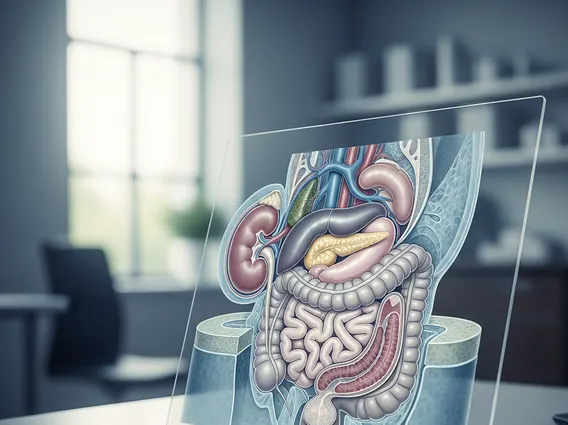
Key Takeaways
- The retroperitoneal space is located behind the peritoneum, the membrane lining the abdominal cavity.
- It contains important organs such as the kidneys, adrenal glands, pancreas, and major blood vessels.
- These organs perform diverse functions, including waste filtration, hormone production, and digestion.
- The retroperitoneum can be affected by various conditions, including tumors, infections, and hemorrhages.
- Due to its deep location, conditions in this area can be challenging to diagnose and treat.
What is Retroperitoneal?
Retroperitoneal refers to the anatomical space in the abdominal cavity located behind the peritoneum. The peritoneum is a serous membrane that lines the abdominal cavity and covers most of the abdominal organs. Organs that are retroperitoneal are situated posterior to this membrane, meaning they are not suspended by mesentery within the peritoneal cavity but rather lie against the posterior abdominal wall. Understanding what is retroperitoneal space is fundamental in anatomy, as it defines the location of several critical structures that are distinct from those within the peritoneal cavity. This deep anatomical positioning provides a degree of protection but can also make medical assessment and surgical access more complex.
Retroperitoneal Organs and Their Functions
The retroperitoneal organs anatomy encompasses a diverse group of structures vital for numerous bodily functions. These organs are typically embedded in fat and connective tissue, lying against the posterior abdominal wall. The retroperitoneal area function is therefore multifaceted, reflecting the collective roles of these organs in maintaining homeostasis.
Key retroperitoneal organs include:
- Kidneys: Essential for filtering waste products from the blood, regulating blood pressure, and producing urine.
- Adrenal Glands: Located atop the kidneys, these glands produce hormones like cortisol and adrenaline, crucial for stress response and metabolic regulation.
- Pancreas: While often considered an abdominal organ, a significant portion of the pancreas lies retroperitoneally, playing a dual role in digestion (producing enzymes) and hormone regulation (insulin and glucagon).
- Duodenum (parts 2, 3, and 4): Sections of the small intestine involved in digestion and nutrient absorption.
- Ascending and Descending Colon: Parts of the large intestine responsible for water absorption and waste formation.
- Major Blood Vessels: The abdominal aorta and inferior vena cava, along with their main branches, traverse this space, supplying blood to and draining blood from the lower body and abdominal organs.
Conditions Affecting the Retroperitoneum
The retroperitoneal space, despite its protected location, is susceptible to a range of medical issues. Conditions affecting the retroperitoneum can be challenging to diagnose due to the deep and often asymptomatic nature of early-stage disease. These conditions can include:
- Retroperitoneal Fibrosis: A rare disorder characterized by the growth of excessive fibrous tissue in the retroperitoneum, which can compress and obstruct structures like the ureters, leading to kidney problems.
- Retroperitoneal Tumors: Both benign and malignant growths can originate in or spread to this space. Examples include sarcomas (e.g., liposarcoma, leiomyosarcoma) and lymphomas. Due to the expandable nature of the space, these tumors can grow quite large before causing noticeable symptoms.
- Retroperitoneal Hemorrhage: Bleeding into the retroperitoneal space can occur due to trauma, rupture of an aneurysm (e.g., abdominal aortic aneurysm), or complications from surgery or anticoagulation therapy. This can lead to significant blood loss and pressure on surrounding organs.
- Infections/Abscesses: Although less common, infections can develop in the retroperitoneum, often secondary to infections in adjacent organs (e.g., kidney infection, pancreatitis).
Diagnosis often involves imaging techniques such as CT scans, MRI, and ultrasound, which are crucial for visualizing the deep structures within this area and identifying any abnormalities. Treatment varies widely depending on the specific condition, ranging from medication to surgical intervention.