Respiratory Tract
The respiratory tract is a vital system responsible for the exchange of gases, allowing the body to take in oxygen and expel carbon dioxide. Understanding its structure and function is crucial for comprehending overall human health.
Key Takeaways
- The Respiratory Tract is the system of organs and tissues that facilitate breathing.
- It is divided into upper and lower sections, each with distinct anatomical components and functions.
- Its primary role is to enable gas exchange, delivering oxygen to the blood and removing carbon dioxide.
- Common infections can affect various parts of the respiratory tract, leading to a range of symptoms and health issues.
What is the Respiratory Tract?
The Respiratory Tract refers to the pathway that air follows to enter and exit the lungs. This intricate system is essential for respiration, the process by which living organisms exchange gases with their environment. It begins at the nose and mouth, extends through the throat, and branches into the lungs, ensuring a continuous supply of oxygen to the body’s cells while removing waste carbon dioxide.
This complex network is lined with specialized cells and tissues designed to filter, warm, and humidify incoming air, protecting the delicate lung tissues from harmful particles and pathogens. Its integrity is fundamental for maintaining metabolic functions and overall physiological balance.
Anatomy and Function of the Respiratory System
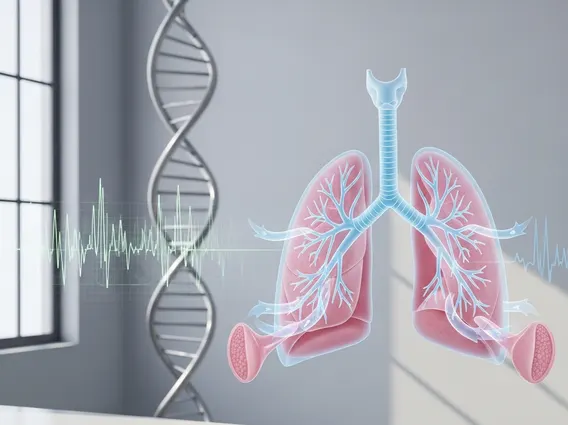
The respiratory tract function and anatomy are intricately linked, allowing for efficient gas exchange. The system is broadly divided into two main sections: the upper respiratory tract and the lower respiratory tract. Each section comprises specific organs that work in concert to facilitate breathing and protect the body.
The parts of the respiratory system explained include:
- Upper Respiratory Tract: Consists of the nose, nasal cavity, pharynx (throat), and larynx (voice box). These structures are responsible for filtering, warming, and humidifying inhaled air before it reaches the lungs.
- Lower Respiratory Tract: Includes the trachea (windpipe), bronchi, bronchioles, and lungs. This is where the primary work of gas exchange occurs.
The process of breathing, which illustrates how does the respiratory system work, involves two phases: inhalation and exhalation. During inhalation, the diaphragm contracts and flattens, and the intercostal muscles pull the rib cage upward and outward, increasing the volume of the chest cavity. This creates a pressure difference, drawing air into the lungs. In the alveoli (tiny air sacs in the lungs), oxygen diffuses into the bloodstream, and carbon dioxide diffuses out of the blood into the alveoli. During exhalation, these muscles relax, reducing the chest cavity volume and forcing carbon dioxide-rich air out of the lungs.
Common Respiratory Tract Infections
Common respiratory tract infections are a frequent cause of illness worldwide, ranging from mild to severe. These infections can affect any part of the respiratory tract, leading to various symptoms and complications. They are typically caused by viruses, bacteria, or fungi.
Examples of common infections include:
- Common Cold: Primarily viral, affecting the upper respiratory tract, causing symptoms like runny nose, sore throat, and sneezing.
- Influenza (Flu): A viral infection that can affect both upper and lower respiratory tracts, leading to fever, body aches, cough, and fatigue. According to the World Health Organization (WHO), seasonal influenza epidemics are estimated to result in about 3 to 5 million cases of severe illness and about 290,000 to 650,000 respiratory deaths annually.
- Bronchitis: Inflammation of the bronchial tubes, often caused by viruses, resulting in a persistent cough with mucus.
- Pneumonia: An infection that inflames the air sacs in one or both lungs, which may fill with fluid or pus, caused by bacteria, viruses, or fungi.
Preventive measures, such as vaccination, hand hygiene, and avoiding close contact with sick individuals, are crucial in reducing the spread and impact of these infections.