Resin
Resin, in a clinical context, refers to diverse polymeric substances widely utilized across medical disciplines due to their unique properties. These materials are engineered for specific biomedical applications, ranging from diagnostics to therapeutic interventions.
Key Takeaways
- Medical resins are diverse polymeric materials tailored for clinical use.
- Types include ion-exchange, dental, and surgical resins, each with distinct functions.
- Production involves polymerization, yielding materials with properties like biocompatibility and strength.
- Resins are extensively used in drug delivery, dental restorations, and diagnostic tools.
- Their versatility is crucial in modern healthcare, improving patient outcomes.
What is Resin and Its Types?
In the medical field, Resin refers to a broad category of synthetic or naturally derived polymeric materials characterized by their ability to be molded, cast, or formed. These substances are crucial for their inertness, strength, and adaptability, making them suitable for direct contact with biological systems. Their composition often involves monomers that polymerize to form a stable matrix.
Understanding the different types of resin explained within medicine is essential, as each type is optimized for particular clinical applications based on chemical structure and function:
- Ion-Exchange Resins: Insoluble polymers exchanging ions. Clinically used in pharmaceuticals (e.g., cholestyramine for bile acid binding, sodium polystyrene sulfonate for hyperkalemia).
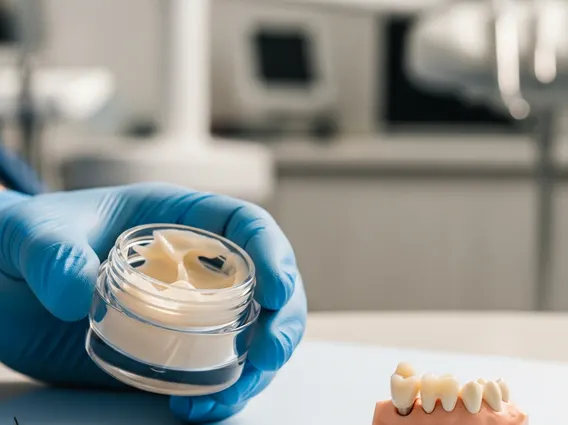
- Dental Resins: Acrylic or composite materials for restorative dentistry (fillings, sealants, dentures), valued for biocompatibility and aesthetics.
- Surgical Resins: Acrylic-based, employed as bone cements (e.g., polymethyl methacrylate, PMMA) in orthopedics for implants, or as tissue adhesives.
- Drug Delivery Resins: Engineered to encapsulate active pharmaceutical ingredients for controlled release, enhancing therapeutic efficacy.
Resin Production Process and Key Properties
The how is resin made process for medical applications involves sophisticated polymerization techniques to ensure high purity and specific performance. This begins with carefully selected monomers undergoing chemical reaction to form long chains or cross-linked networks. Initiated by heat, light, or catalysts, the process forms a solid or semi-solid resin. Strict control over reaction conditions is paramount to achieve desired molecular weight, cross-linking density, and material properties.
The efficacy of medical resins hinges on their specific resin properties and applications. Key properties include biocompatibility, ensuring no adverse reactions with living tissue. Mechanical strength, hardness, and wear resistance are critical for dental and orthopedic uses, while porosity and permeability are vital for drug delivery. Other engineered properties include radiopacity, sterilizability, and chemical stability. For instance, ion-exchange resins are designed with specific exchange capacities, and dental resins must exhibit excellent adhesion and mimic natural tooth aesthetics.
Applications of Resin in Medicine
The versatility of these polymeric materials means that understanding what is resin used for reveals their critical role in modern healthcare. Beyond specific types, resins contribute significantly to various diagnostic, therapeutic, and reconstructive procedures. In diagnostics, resins are utilized in chromatography columns for separating biological samples, aiding disease detection. Therapeutically, their application extends to controlled drug release, protecting active compounds and ensuring targeted or prolonged delivery, enhancing treatment and reducing side effects.
Specific examples highlight their indispensable nature. In cardiology, resins are explored for cardiovascular device coatings. In oncology, specialized resins are investigated for localized drug delivery to tumor sites, minimizing systemic toxicity. Dental resins have revolutionized restorative dentistry, allowing for durable, aesthetic, and minimally invasive treatments. Continuous innovation in resin chemistry promises even broader applications, solidifying their role in advancing medical science and patient care.