Regional Lymph Node Dissection
Regional Lymph Node Dissection is a critical surgical procedure often performed in the context of cancer treatment. It involves the removal of lymph nodes from a specific area of the body to assess cancer spread and manage the disease.
Key Takeaways
- Regional Lymph Node Dissection is a surgical procedure to remove lymph nodes in a specific region.
- Its primary purpose is to determine if cancer has spread and to remove affected lymph nodes.
- The procedure is vital for accurate cancer staging and guiding subsequent treatment decisions.
- Recovery involves managing pain, wound care, and potential side effects like lymphedema.
- Post-operative care and adherence to medical advice are crucial for optimal recovery.
What is Regional Lymph Node Dissection?
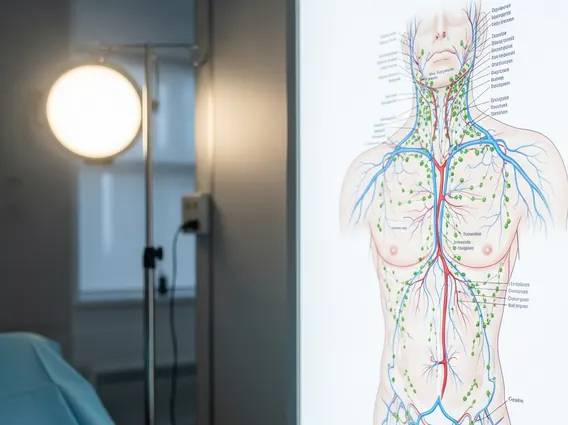
Regional Lymph Node Dissection refers to a surgical operation where lymph nodes in a specific anatomical region are removed. This procedure is commonly performed in oncology to determine if cancer cells have spread from a primary tumor to nearby lymph nodes, which are small, bean-shaped organs that are part of the body’s immune system.
The extent of the dissection can vary depending on the type and stage of cancer, as well as the location of the primary tumor. By removing and examining these lymph nodes, medical professionals can gain crucial information about the cancer’s stage, prognosis, and the most effective course of treatment. This surgical intervention plays a significant role in both diagnosing the extent of the disease and providing therapeutic benefits by removing cancerous tissue.
Purpose and Procedure of Regional Lymph Node Dissection
The purpose of regional lymph node dissection is multifaceted. Primarily, it serves as a diagnostic tool to accurately stage cancer by determining whether malignant cells have metastasized to the regional lymph nodes. This information is vital for guiding treatment decisions, including the need for chemotherapy, radiation therapy, or further surgical interventions. Therapeutically, the procedure aims to remove lymph nodes that are confirmed or highly suspected to contain cancer cells, thereby reducing the risk of further spread and improving patient outcomes.
The regional lymph node dissection procedure involves several key steps. It is typically performed under general anesthesia. The surgeon makes an incision in the skin over the affected area, carefully dissects the surrounding tissues to identify the lymph nodes, and then removes them. The number of lymph nodes removed can vary significantly. Once removed, the lymph nodes are sent to a pathologist for microscopic examination to detect the presence of cancer cells. The incision is then closed with sutures or staples.
Common areas for this procedure include the axilla (armpit) for breast cancer or melanoma, the groin for melanoma or genitourinary cancers, and the neck for head and neck cancers or thyroid cancer. The specific approach and extent of the dissection are tailored to each patient’s individual cancer type and stage.
Regional Lymph Node Dissection Recovery
Regional lymph node dissection recovery is a critical phase that requires careful management and adherence to medical instructions. Immediately after the surgery, patients typically experience pain, swelling, and bruising in the surgical area. Pain management is a key component of post-operative care, often involving prescribed medications.
Patients are usually advised on wound care to prevent infection and promote healing. Drains may be placed temporarily to remove fluid buildup from the surgical site. The recovery period can vary widely depending on the extent of the surgery and the individual’s overall health. Potential long-term side effects can include:
- Lymphedema: Swelling caused by fluid buildup due to damage or removal of lymph vessels, which can be managed with physical therapy, compression garments, and massage.
- Numbness or altered sensation: Resulting from nerve irritation or damage during the procedure.
- Restricted range of motion: Especially if the dissection was in an area like the axilla or groin, requiring physical therapy to restore function.
- Risk of infection: As with any surgical procedure, careful wound care is essential.
Follow-up appointments with the surgical team are crucial to monitor healing, manage any complications, and discuss further treatment plans. Patients are encouraged to gradually resume normal activities as advised by their healthcare provider, and to report any unusual symptoms or concerns promptly.