Radiotherapy
Radiotherapy is a crucial medical treatment primarily used in the management of cancer. It involves the precise use of high-energy radiation to destroy cancer cells and shrink tumors, while minimizing damage to surrounding healthy tissue.
Key Takeaways
- Radiotherapy utilizes high-energy radiation to target and eliminate cancer cells, playing a vital role in cancer treatment.
- It can be administered as a primary treatment, before surgery (neoadjuvant), after surgery (adjuvant), or for palliative care.
- The two main approaches are external beam radiotherapy (EBRT), delivered from outside the body, and brachytherapy, which involves placing radioactive sources directly inside or near the tumor.
- Side effects are common but usually localized and temporary, varying based on the treated area and radiation dose.
- Effective management strategies exist to alleviate side effects and improve patient comfort during and after treatment.
What is Radiotherapy?
Radiotherapy refers to a clinical oncology treatment that employs high doses of radiation to kill cancer cells and prevent them from growing and dividing. This targeted approach is a cornerstone of cancer care, often used alone or in combination with other treatments like surgery, chemotherapy, or immunotherapy. According to the World Health Organization (WHO), radiotherapy is essential for over half of all cancer patients, contributing significantly to cure rates and quality of life improvements globally.
The primary goal of radiotherapy is to deliver a precise dose of radiation to the cancerous cells while sparing as much healthy tissue as possible. This precision is critical for maximizing treatment effectiveness and minimizing potential side effects. The treatment plan is highly individualized, taking into account the type of cancer, its stage, location, and the patient’s overall health.
How Radiotherapy Works and Its Types
Radiotherapy works by damaging the DNA within cancer cells, which impairs their ability to multiply and eventually leads to their death. While radiation can also affect healthy cells, these cells are generally more resilient and capable of repairing themselves, unlike cancer cells. The treatment is typically delivered in multiple small doses, known as fractions, over several weeks to allow healthy cells to recover between sessions.
The mechanism of radiotherapy involves the use of high-energy particles or waves, such as X-rays, gamma rays, or protons, to disrupt the molecular structure of cancer cells. When radiation interacts with cells, it creates free radicals that chemically damage the DNA. This damage prevents cancer cells from dividing and growing, ultimately leading to tumor shrinkage or eradication. Advanced imaging techniques and computer planning are used to precisely map the tumor’s location, ensuring that the radiation beams are accurately directed.
The specific approach to radiotherapy depends on various factors, including the cancer type, location, and patient-specific needs. The two main categories are external beam radiotherapy and brachytherapy.
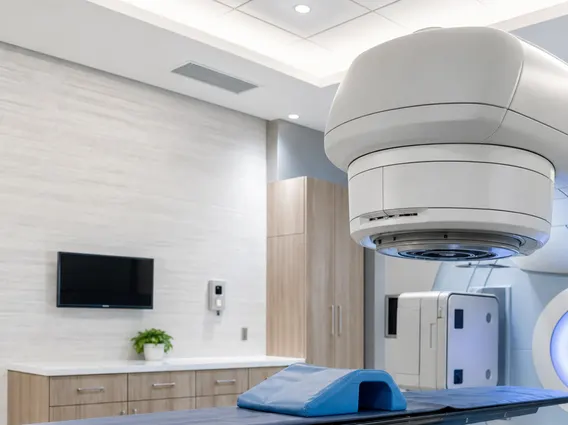
- External Beam Radiotherapy (EBRT): This is the most common type, where radiation is delivered from a machine outside the body, typically a linear accelerator. The machine directs high-energy beams to the tumor site. Techniques like Intensity-Modulated Radiotherapy (IMRT) and Stereotactic Body Radiotherapy (SBRT) allow for highly precise targeting, conforming the radiation dose to the tumor’s shape and minimizing exposure to surrounding healthy tissues.
- Brachytherapy: Also known as internal radiotherapy, brachytherapy involves placing radioactive sources directly inside or very close to the tumor. This allows for a very high dose of radiation to be delivered to a small area, with rapid dose fall-off, thereby protecting adjacent healthy tissues. It can be temporary (high-dose rate or low-dose rate) or permanent (e.g., radioactive seeds implanted for prostate cancer).
Managing Radiotherapy Side Effects
Radiotherapy side effects are a common concern for patients, as radiation can affect healthy cells in the treated area. These effects are typically localized to the part of the body being treated and can vary significantly depending on the dose, treatment duration, and individual patient factors. Most side effects are temporary and resolve within weeks or months after treatment concludes.
Common side effects might include skin irritation (redness, dryness, itching, or peeling) in the treated area, fatigue, and hair loss in the radiation field. For treatments involving the head and neck, patients may experience mouth sores, difficulty swallowing, or changes in taste. Pelvic radiotherapy can lead to bowel or bladder changes. Healthcare teams provide comprehensive support and strategies to help manage these effects, such as prescribing topical creams for skin reactions, recommending dietary adjustments, and advising on rest and hydration. Open communication with the medical team is crucial for effective symptom management and ensuring patient comfort throughout the treatment journey.