
Radical Mastectomy
Radical mastectomy is a surgical procedure historically performed to treat breast cancer, involving the extensive removal of breast tissue, underlying muscles, and lymph nodes. While once a standard treatment, its application has significantly evolved with advancements in medical understanding and surgical techniques.
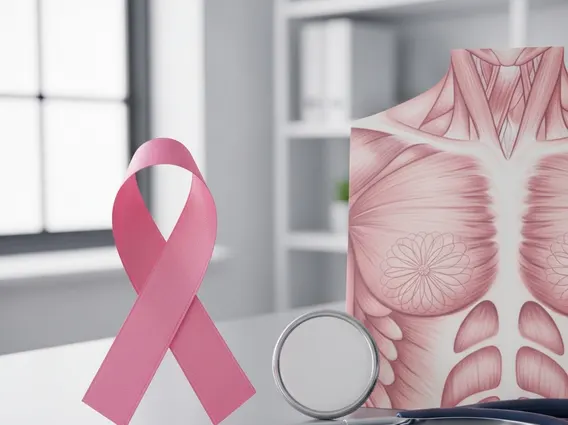
Key Takeaways
- Radical Mastectomy involves the removal of the entire breast, the pectoral muscles underneath, and all axillary lymph nodes.
- Developed by William Halsted in the late 19th century, it was the primary surgical treatment for breast cancer for decades.
- The procedure is rarely performed today, largely replaced by less invasive surgeries like modified radical mastectomy or lumpectomy, due to improved understanding of cancer biology and early detection.
- Recovery from a radical mastectomy can be extensive, often involving significant physical rehabilitation and potential long-term complications.
- Modern breast cancer treatment prioritizes preserving breast tissue and minimizing surgical impact while maintaining oncological effectiveness.
What is Radical Mastectomy?
Radical Mastectomy refers to a surgical operation that involves the removal of the entire breast, the pectoral (chest) muscles located beneath the breast, and all of the lymph nodes in the axilla (armpit). This comprehensive removal was historically considered necessary to eradicate breast cancer and prevent its spread. The procedure aims to remove all visible cancerous tissue along with surrounding structures that might harbor cancer cells, particularly the lymph nodes which are common pathways for cancer metastasis.
This extensive surgery was developed based on the understanding that breast cancer spread locally before disseminating to distant sites. While highly effective at removing local disease, its significant physical impact and the development of less invasive yet equally effective treatments have led to its decline in modern oncology. Today, the term often serves as a historical benchmark against which contemporary breast cancer surgeries are compared.
Radical Mastectomy Procedure and History
The **Radical mastectomy procedure explained** involves a meticulous and extensive surgical approach. During the operation, the surgeon makes an incision to remove the entire breast, including the skin, nipple, and areola. Crucially, the underlying pectoralis major and pectoralis minor muscles are also excised. Concurrently, a complete axillary lymph node dissection is performed, removing all lymph nodes from the armpit region. This comprehensive removal was intended to ensure no cancer cells remained in the primary site or regional lymphatics, which were believed to be the main routes of spread.
The **History of radical mastectomy** dates back to the late 19th century, notably popularized by American surgeon William Halsted in the 1890s. Halsted’s theory posited that breast cancer spread in an orderly, contiguous fashion from the breast to the regional lymph nodes before reaching distant organs. Based on this understanding, the radical mastectomy became the standard of care for breast cancer for nearly a century. It was widely adopted due to its perceived effectiveness in improving survival rates compared to earlier, less aggressive approaches. However, as medical science advanced, particularly with a deeper understanding of cancer biology and the systemic nature of metastatic disease, the rationale for such extensive local surgery began to be questioned. Studies in the mid-20th century demonstrated that less radical surgeries, combined with adjuvant therapies like chemotherapy and radiation, could achieve similar survival outcomes with significantly less morbidity.
Radical Mastectomy Recovery and Complications
The **Radical mastectomy recovery and complications** can be substantial due to the extensive nature of the surgery. Immediately after the procedure, patients typically experience significant pain, requiring robust pain management. Hospital stays were often longer compared to modern breast surgeries. Post-operative care involves managing surgical drains to remove fluid buildup and preventing infection. Physical therapy is crucial for regaining arm and shoulder mobility, as the removal of pectoral muscles can severely limit movement and strength.
Long-term complications associated with radical mastectomy can significantly impact a patient’s quality of life. These include:
- Lymphedema: Swelling in the arm and hand due to the removal of axillary lymph nodes, which disrupts lymphatic drainage. The incidence of lymphedema can vary, but it remains a significant concern after extensive lymph node dissection.
- Chronic pain: Persistent pain in the chest wall, shoulder, or arm, often due to nerve damage during surgery.
- Restricted arm and shoulder movement: Resulting from the removal of pectoral muscles, leading to difficulty with everyday activities.
- Numbness: In the chest, arm, or armpit area due to nerve disruption.
- Body image issues: The extensive tissue removal can lead to significant changes in body appearance, impacting psychological well-being.
While radical mastectomy is rarely performed today, understanding its recovery and complications highlights the advancements in breast cancer treatment, which now focus on effective cancer control with minimal impact on a patient’s physical function and quality of life. Modern approaches prioritize breast-conserving surgeries and less extensive lymph node procedures when appropriate, significantly reducing the severity of post-operative challenges.



















