Pulmonary Specialist
A pulmonary specialist is a medical doctor who possesses extensive expertise in the diagnosis and treatment of diseases affecting the respiratory system. These highly trained physicians play a crucial role in managing complex lung conditions and improving patients’ breathing and overall quality of life.

Key Takeaways
- A pulmonary specialist, also known as a pulmonologist, is an expert in lung and respiratory system health.
- They diagnose and treat a wide range of conditions, from common ailments like asthma to complex diseases such as cystic fibrosis and lung cancer.
- Their role involves performing diagnostic tests, developing treatment plans, and managing chronic respiratory illnesses.
- Consulting a pulmonary doctor is recommended for persistent respiratory symptoms like chronic cough, shortness of breath, or abnormal chest imaging.
- These specialists are vital in maintaining respiratory health and preventing severe complications of lung diseases.
What is a Pulmonary Specialist?
A Pulmonary Specialist is a physician who has undergone specialized training in pulmonary medicine, focusing on the prevention, diagnosis, and treatment of conditions related to the lungs and respiratory system. This includes the airways, lung tissues, and blood vessels that support lung function. Often referred to as pulmonologists, these medical professionals are equipped to handle both acute and chronic respiratory issues, from infections to complex structural lung diseases. Their expertise is critical in understanding the intricate mechanisms of breathing and gas exchange, and how various diseases can disrupt these vital processes.
What Does a Pulmonary Specialist Do?
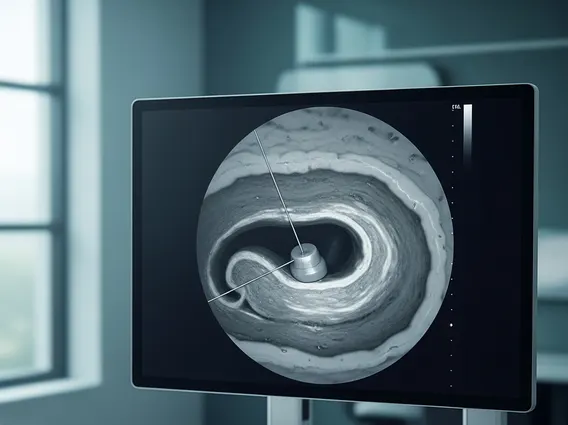
A pulmonary specialist is dedicated to evaluating and managing patients with respiratory complaints. The Role of a pulmonologist encompasses a broad spectrum of activities, including conducting thorough physical examinations, interpreting diagnostic tests, and formulating personalized treatment strategies. They utilize advanced diagnostic tools such as spirometry (a breathing test), bronchoscopy (a procedure to look inside the airways), and imaging studies like CT scans to accurately identify the underlying cause of respiratory symptoms. Once a diagnosis is made, they develop comprehensive care plans that may involve medication, oxygen therapy, pulmonary rehabilitation, or referrals for surgical interventions when necessary. Their primary goal is to alleviate symptoms, improve lung function, and enhance the patient’s overall well-being.
Pulmonary specialists also play a significant role in critical care settings, managing patients on ventilators and those with acute respiratory failure. They often collaborate with other specialists, such as cardiologists, oncologists, and allergists, to provide holistic care for patients whose lung conditions may be linked to other health issues. This multidisciplinary approach ensures that all aspects of a patient’s health are considered in their treatment plan.
Conditions Treated and When to Consult a Pulmonologist
Conditions treated by lung specialists span a wide array of respiratory disorders, ranging from common ailments to rare and complex diseases. These specialists are crucial for managing chronic conditions that require ongoing care and monitoring. According to the World Health Organization (WHO), chronic respiratory diseases are among the leading causes of death and disability worldwide, highlighting the critical need for specialized pulmonary care.
Some of the common conditions managed by pulmonary specialists include:
- Asthma: A chronic inflammatory disease of the airways that causes recurrent episodes of wheezing, breathlessness, chest tightness, and coughing.
- Chronic Obstructive Pulmonary Disease (COPD): A progressive lung disease that blocks airflow and makes it difficult to breathe, often including emphysema and chronic bronchitis.
- Cystic Fibrosis (CF): A genetic disorder that primarily affects the lungs and digestive system, leading to thick, sticky mucus buildup.
- Pneumonia: An infection that inflames the air sacs in one or both lungs, which may fill with fluid or pus.
- Lung Cancer: The uncontrolled growth of abnormal cells in the lungs.
- Sleep Apnea: A serious sleep disorder in which breathing repeatedly stops and starts.
- Pulmonary Fibrosis: A disease in which lung tissue becomes damaged and scarred, making it difficult for the lungs to work properly.
- Tuberculosis (TB): A bacterial infection that primarily affects the lungs but can spread to other organs.
When to consult a pulmonary doctor typically arises when individuals experience persistent or concerning respiratory symptoms that do not resolve with general medical care. These symptoms might include a chronic cough lasting more than a few weeks, unexplained shortness of breath, wheezing, chest pain, or recurrent respiratory infections. If you have a history of smoking, exposure to environmental toxins, or a family history of lung disease, your primary care physician might also recommend a consultation with a pulmonologist for proactive screening or management. Early diagnosis and intervention by a pulmonary specialist can significantly improve outcomes for many lung conditions.