Pulmonary Function
Pulmonary Function refers to the overall health and operational capacity of the lungs. Understanding the various aspects of lung performance is crucial for diagnosing and managing respiratory conditions.
Key Takeaways
- Pulmonary Function assesses how well the lungs work, including air movement and gas exchange.
- Pulmonary Function Tests (PFTs) are non-invasive procedures that measure lung volumes, flow rates, and gas diffusion.
- PFT results help diagnose conditions like asthma, COPD, and restrictive lung diseases.
- Interpreting PFT results involves comparing patient data to predicted values based on demographics.
- The importance of lung function extends to overall health, impacting oxygen delivery and waste removal.
What is Pulmonary Function?
Pulmonary Function refers to the intricate process by which the lungs facilitate the exchange of gases, specifically taking in oxygen and expelling carbon dioxide. This vital physiological process ensures that the body’s cells receive the oxygen they need to function while removing metabolic waste products. The efficiency of pulmonary function is determined by several factors, including the capacity of the lungs to hold air, the speed at which air can be moved in and out, and the effectiveness of gas transfer across the alveolar-capillary membrane.
The importance of lung function cannot be overstated, as it directly impacts an individual’s overall health and quality of life. Impaired lung function can lead to symptoms such as shortness of breath, fatigue, and reduced exercise tolerance, significantly affecting daily activities. Conditions like asthma, chronic obstructive pulmonary disease (COPD), and pulmonary fibrosis are characterized by compromised pulmonary function, necessitating careful monitoring and management. According to the World Health Organization (WHO), chronic respiratory diseases are among the leading causes of death and disability worldwide, highlighting the critical role of healthy lung function.
How Are Pulmonary Function Tests Done?
Pulmonary Function Tests (PFTs) are a group of non-invasive diagnostic procedures used to assess the capacity and efficiency of the lungs. These tests measure how much air your lungs can hold, how quickly you can move air in and out, and how well your lungs transfer oxygen into your blood. PFTs are typically performed in a specialized lab or clinic by trained technicians.
The most common PFTs include:
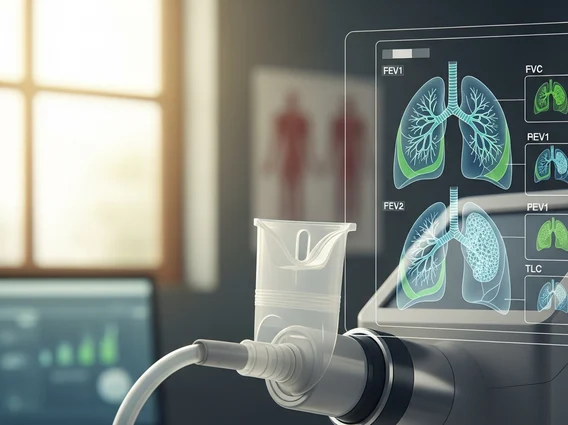
- Spirometry: This test measures how much air you can exhale forcefully after a deep breath and how quickly you can do it. You breathe into a mouthpiece connected to a device called a spirometer. Key measurements include Forced Vital Capacity (FVC) and Forced Expiratory Volume in one second (FEV1).
- Lung Volume Tests: These tests measure the total amount of air your lungs can hold (Total Lung Capacity – TLC) and the amount of air remaining after a normal exhalation (Functional Residual Capacity – FRC). Techniques may include body plethysmography or gas dilution methods.
- Diffusion Capacity (DLCO): This test assesses how well oxygen moves from the lungs into the bloodstream. You breathe in a very small amount of a tracer gas (like carbon monoxide) for a short period, and the amount absorbed is measured.
During the tests, you will typically sit in a chair and follow specific instructions from the technician, such as breathing in deeply, exhaling forcefully, or holding your breath. The entire process usually takes between 30 to 90 minutes, depending on the number and type of tests performed.
Pulmonary Function Test Results Explained
Interpreting Pulmonary Function Test Results involves comparing a patient’s measured values to predicted normal values. These predicted values are based on factors such as age, sex, height, and ethnicity. Deviations from these predicted norms can indicate the presence and severity of lung disease. Generally, results are expressed as a percentage of the predicted value, with values typically considered abnormal if they fall below 80% of the predicted value.
PFT results help differentiate between two main categories of lung disease:
- Obstructive Lung Diseases: These conditions, such as asthma and COPD, are characterized by difficulty exhaling air due to narrowed airways. PFTs typically show a reduced FEV1/FVC ratio (the proportion of air exhaled in the first second relative to the total exhaled volume) and often increased lung volumes.
- Restrictive Lung Diseases: These conditions, such as pulmonary fibrosis or sarcoidosis, involve a reduction in lung volume due to stiffness of the lungs or chest wall. PFTs typically show reduced FVC and TLC, with a relatively normal FEV1/FVC ratio.
A healthcare professional, usually a pulmonologist, will analyze the complete set of PFT results in conjunction with the patient’s medical history, symptoms, and other diagnostic tests to make an accurate diagnosis and develop a treatment plan. For instance, a low FEV1/FVC ratio combined with a low FEV1 might strongly suggest COPD, while a proportional reduction in FVC and FEV1 with a normal ratio could indicate a restrictive pattern.