Pulmonary Edema
Pulmonary edema is a serious medical condition characterized by excess fluid in the lungs. This fluid accumulation makes breathing difficult and can rapidly worsen without prompt medical attention.
Key Takeaways
- Pulmonary edema involves fluid buildup in the lungs, impairing oxygen exchange.
- It is often a complication of underlying heart conditions, such as heart failure.
- Common symptoms include shortness of breath, coughing, and wheezing.
- Diagnosis typically involves physical examination, chest X-ray, and blood tests.
- Treatment focuses on improving breathing, removing fluid, and addressing the root cause.
What is Pulmonary Edema?
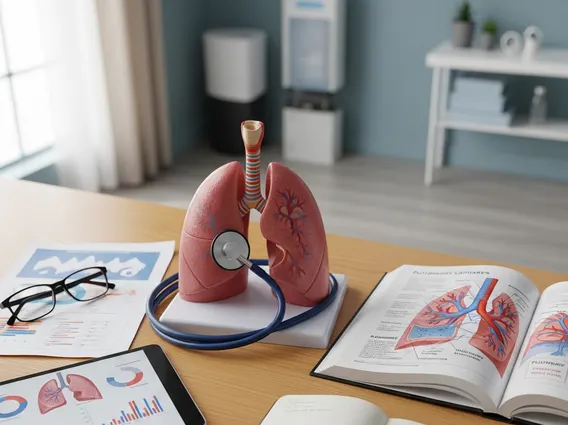
Pulmonary Edema refers to a condition where excess fluid collects in the air sacs (alveoli) of the lungs, making it difficult for the lungs to function properly. Normally, oxygen and carbon dioxide are exchanged efficiently across the thin walls of the alveoli. When fluid accumulates, this exchange is severely hampered, leading to reduced oxygen levels in the blood and increased carbon dioxide. This condition can develop suddenly (acute pulmonary edema) or gradually over time (chronic pulmonary edema). It is a serious medical emergency that requires immediate attention. According to the American Heart Association, heart failure is a leading cause of hospitalizations for adults, and pulmonary edema is a common complication of heart failure, affecting millions globally.
Pulmonary Edema: Symptoms and Causes
Recognizing pulmonary edema symptoms causes is crucial for timely intervention. The symptoms can vary in severity depending on the amount and speed of fluid accumulation.
Common symptoms include:
- Severe shortness of breath, especially when lying down (orthopnea)
- Wheezing or gasping for air
- A cough that produces frothy, sometimes blood-tinged sputum
- Rapid, shallow breathing
- Anxiety, restlessness, or a feeling of drowning
- Cold, clammy skin
- Bluish discoloration of the lips or fingertips (cyanosis)
The most common cause of pulmonary edema is heart-related, known as cardiogenic pulmonary edema. This occurs when the heart is unable to pump blood effectively, leading to a buildup of pressure in the blood vessels of the lungs. Conditions that can lead to cardiogenic pulmonary edema include:
- Congestive heart failure
- Heart attack (myocardial infarction)
- High blood pressure (hypertension)
- Valvular heart disease
- Arrhythmias
Non-cardiogenic pulmonary edema can result from other factors, such as Acute Respiratory Distress Syndrome (ARDS), kidney failure, high altitude sickness, severe infections (sepsis), or exposure to certain toxins or drugs.
Diagnosing and Treating Pulmonary Edema
Effective management begins with promptly diagnosing pulmonary edema. Healthcare professionals typically start with a physical examination, listening to the lungs for crackles or rales, and checking for swelling in the legs or abdomen.
Diagnostic tools often include:
- Chest X-ray: This imaging test can reveal fluid in the lungs and an enlarged heart.
- Electrocardiogram (ECG): An ECG helps assess heart function and detect any underlying heart conditions.
- Blood tests: These may include tests for cardiac enzymes (to check for heart attack), kidney function, and brain natriuretic peptide (BNP), which is elevated in heart failure.
- Echocardiogram: An ultrasound of the heart provides detailed images of heart structure and function.
Once diagnosed, pulmonary edema treatment options focus on improving oxygenation, removing excess fluid, and addressing the underlying cause.
Treatment strategies often involve:
- Oxygen therapy: Administering supplemental oxygen, sometimes through a mask or ventilator, to improve blood oxygen levels.
- Diuretics: Medications like furosemide help the kidneys remove excess fluid from the body, reducing fluid in the lungs.
- Vasodilators: Drugs such as nitroglycerin can widen blood vessels, reducing pressure in the heart and lungs.
- Medications for underlying conditions: Treating the root cause, such as managing heart failure with ACE inhibitors, beta-blockers, or other cardiac medications.
- Lifestyle modifications: For chronic cases, dietary changes (low sodium), fluid restriction, and regular exercise may be recommended.
In severe cases, mechanical ventilation may be necessary to support breathing. The specific treatment plan depends on the cause and severity of the pulmonary edema.