Pulmonary Disease
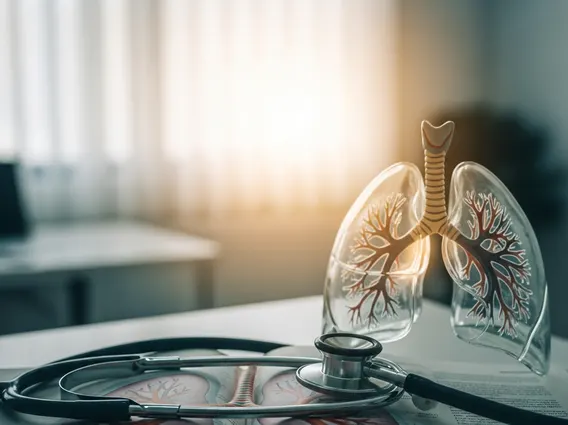
Pulmonary Disease refers to a broad category of conditions that affect the lungs and other parts of the respiratory system, making it difficult to breathe and hindering the body’s ability to exchange oxygen and carbon dioxide efficiently.
Key Takeaways
- Pulmonary Disease encompasses various conditions affecting the lungs, impairing breathing and gas exchange.
- Common types include asthma, COPD, pneumonia, and cystic fibrosis, each with distinct symptoms and causes.
- Symptoms often include shortness of breath, coughing, wheezing, and chest tightness.
- Causes range from genetic factors and environmental exposures to infections and lifestyle choices.
- Diagnosis involves a combination of medical history, physical examination, imaging, and lung function tests.
What is Pulmonary Disease?
Pulmonary Disease is a collective term for conditions that impair the lungs’ ability to function effectively, leading to issues with breathing and the vital process of gas exchange. These conditions can range from acute infections to chronic, progressive illnesses, significantly impacting an individual’s quality of life. The impact can range from mild, temporary discomfort to severe, life-threatening complications, affecting individuals of all ages worldwide. According to the World Health Organization (WHO), chronic respiratory diseases are among the leading causes of death and disability globally, affecting hundreds of millions of people. Understanding these conditions is crucial for early detection and effective management, aiming to preserve lung function and improve patient outcomes.
Types, Symptoms, and Causes of Pulmonary Disease
There are numerous types of pulmonary diseases, each with unique characteristics, though many share common symptoms and underlying causes. These conditions can be broadly categorized as obstructive, restrictive, vascular, or infectious, including common examples such as asthma, chronic obstructive pulmonary disease (COPD), pneumonia, and cystic fibrosis.
Common pulmonary disease symptoms often include:
- Shortness of breath (dyspnea), especially during physical activity
- Persistent cough, which may produce mucus (sputum)
- Wheezing, a whistling sound during breathing
- Chest tightness or pain
- Fatigue and reduced exercise tolerance
- Recurrent respiratory infections
The causes of pulmonary disease are diverse. Genetic factors play a role in conditions like cystic fibrosis and alpha-1 antitrypsin deficiency. Environmental exposures to pollutants, allergens, asbestos, or occupational dusts can lead to diseases such as asthma or asbestosis. Infections by bacteria, viruses, or fungi can cause pneumonia or bronchitis. Autoimmune diseases can also affect the lungs, and lifestyle choices, particularly smoking, are a leading cause of many pulmonary diseases, including lung cancer and emphysema. Understanding these varied types, symptoms, and causes is essential for both prevention and targeted treatment strategies.
How to Diagnose Pulmonary Disease?
Diagnosing Pulmonary Disease involves a comprehensive approach, combining a thorough review of a patient’s medical history, a physical examination, and various diagnostic tests. Early and accurate diagnosis is critical for effective management and improving long-term outcomes.
The diagnostic process typically begins with a detailed discussion of symptoms, medical history, and potential exposures, followed by a physical examination focusing on lung sounds. Several tests may then be ordered:
- Pulmonary Function Tests (PFTs): Measure lung capacity and airflow, such as spirometry.
- Imaging Tests: Chest X-rays, CT scans, and MRIs provide detailed images of lung structures.
- Blood Tests: Check for infection, inflammation, or genetic markers.
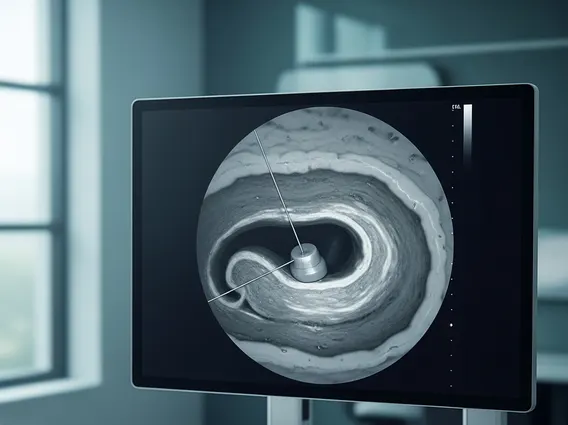
- Bronchoscopy: Allows direct visualization of airways and collection of samples.
- Pulse Oximetry: Measures blood oxygen saturation non-invasively.
This combination of diagnostic tools enables healthcare professionals to accurately identify the specific type of pulmonary disease, assess its severity, and formulate an appropriate treatment plan.