Pulmonary
Pulmonary refers to anything related to the lungs and the respiratory system, which is vital for breathing and overall bodily function. This intricate system facilitates the exchange of gases, ensuring the body receives oxygen and expels carbon dioxide.
Key Takeaways
- The pulmonary system is responsible for respiration, involving the lungs, airways, and blood vessels.
- Its primary function is gas exchange, delivering oxygen to the blood and removing carbon dioxide.
- Key components include the trachea, bronchi, bronchioles, alveoli, and the pulmonary circulation.
- Common pulmonary conditions range from chronic diseases like asthma and COPD to acute infections such as pneumonia.
- Maintaining pulmonary health is crucial for overall well-being and preventing respiratory complications.
What is Pulmonary: Understanding the Respiratory System
Pulmonary refers to the lungs and the entire respiratory system, which is an essential biological system in humans and many other animals responsible for gas exchange. The primary role of the pulmonary system is to facilitate the intake of oxygen from the atmosphere into the bloodstream and the expulsion of carbon dioxide from the blood into the atmosphere. This complex network includes the airways, lungs, and the muscles that enable breathing.
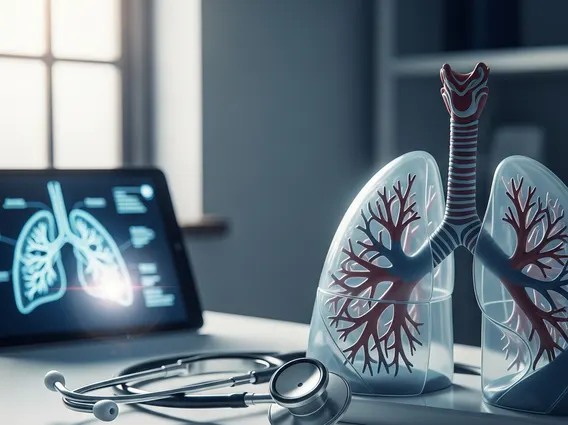
The journey of air begins through the nose or mouth, passing into the pharynx and larynx, then down the trachea (windpipe). The trachea branches into two main bronchi, which further divide into smaller bronchioles, eventually leading to tiny air sacs called alveoli. Surrounding these alveoli are capillaries, where the crucial gas exchange takes place. Understanding this intricate structure is fundamental to comprehending how the body sustains life through respiration.
Key Functions of the Pulmonary System
The core functions of the pulmonary system are indispensable for human survival, primarily centered around respiration. This process involves several coordinated actions to ensure efficient gas exchange and maintain the body’s acid-base balance. Beyond just breathing, the pulmonary system also plays a role in protecting the body from inhaled irritants and pathogens.
The main functions include:
- Gas Exchange: This is the most critical function, where oxygen from inhaled air diffuses into the blood, and carbon dioxide, a waste product, diffuses from the blood into the alveoli to be exhaled.
- Regulation of Blood pH: By controlling the amount of carbon dioxide expelled, the pulmonary system helps regulate the acidity or alkalinity of the blood.
- Protection: The airways are lined with cilia and mucus that trap and remove airborne particles, pathogens, and irritants, preventing them from reaching the delicate lung tissue.
- Vocalization: The flow of air through the larynx (voice box) allows for speech and sound production.
These functions are continuously active, adapting to the body’s metabolic demands, such as during exercise, to ensure a constant supply of oxygen and removal of waste products.
Common Pulmonary Diseases and Conditions
A wide array of common pulmonary conditions can affect the respiratory system, ranging from acute infections to chronic debilitating diseases. These conditions can significantly impair breathing, reduce quality of life, and in severe cases, be life-threatening. Understanding these conditions is crucial for early diagnosis and effective management.
Among the most prevalent pulmonary diseases explained are:
Asthma: A chronic inflammatory disease of the airways that causes episodes of wheezing, breathlessness, chest tightness, and coughing. It affects an estimated 262 million people globally, according to the World Health Organization (WHO).
Chronic Obstructive Pulmonary Disease (COPD): A progressive lung disease that blocks airflow and makes it difficult to breathe. It encompasses conditions like emphysema and chronic bronchitis. COPD is a leading cause of death worldwide, with over 3 million deaths in 2019, as reported by the WHO.
Pneumonia: An infection that inflames the air sacs in one or both lungs, which may fill with fluid or pus. It can be caused by bacteria, viruses, or fungi and can range from mild to severe.
Pulmonary Fibrosis: A condition where lung tissue becomes damaged and scarred, making it difficult for the lungs to work properly. The scarring often worsens over time.
Other conditions include cystic fibrosis, sleep apnea, and pulmonary hypertension. Early detection and appropriate medical intervention are vital for managing these conditions and improving patient outcomes.