Plasma Exchange
Plasma Exchange is a medical procedure used to treat various autoimmune and neurological conditions. It involves removing a patient’s plasma, which may contain harmful antibodies or proteins, and replacing it with a substitute fluid.
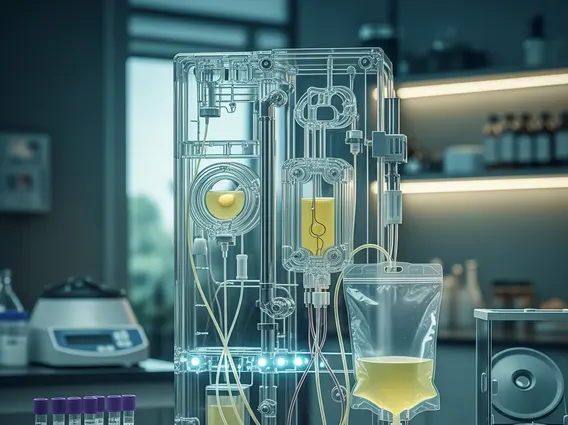
Key Takeaways
- Plasma Exchange (PEX) is a therapeutic process that removes problematic components from a patient’s blood plasma.
- The procedure involves separating plasma from blood cells, discarding the plasma, and returning blood cells with a replacement fluid.
- It is used for conditions where the immune system mistakenly attacks the body’s own tissues.
- Benefits include reducing disease activity, while risks can involve allergic reactions or infection.
- PEX is a specialized treatment requiring careful medical supervision.
What is Plasma Exchange?
Plasma Exchange (PEX) is a medical procedure designed to remove harmful substances from a patient’s blood plasma. This therapeutic process is often employed in conditions where the immune system produces antibodies that mistakenly attack the body’s own tissues, leading to various autoimmune and neurological disorders. By selectively removing the plasma, which carries these detrimental components, and replacing it with a healthy substitute, PEX aims to mitigate disease activity and improve patient outcomes.
How Plasma Exchange Works: The Procedure Explained
The process of how plasma exchange works involves a specialized medical device that separates blood components. During the procedure, blood is drawn from the patient, typically through a vein in the arm or a central venous catheter. This blood then passes through an apheresis machine, which centrifuges it to separate the plasma from the red blood cells, white blood cells, and platelets. The patient’s plasma, containing the target harmful substances, is discarded. The remaining blood cells are then combined with a replacement fluid, such as albumin or fresh frozen plasma, and returned to the patient’s body. The entire plasma exchange procedure explained typically takes several hours, and the number of sessions required varies depending on the patient’s condition and response to treatment.
Here are the general steps involved in the procedure:
- Access: A needle or catheter is inserted into a vein, usually in the arm or neck, to draw blood.
- Separation: Blood flows into an apheresis machine that separates plasma from blood cells.
- Removal: The problematic plasma is collected and discarded.
- Replacement: The remaining blood cells are mixed with a replacement fluid (e.g., albumin, saline, or donor plasma).
- Return: The treated blood is returned to the patient’s body.
Benefits and Risks of Plasma Exchange
The plasma exchange benefits and risks are crucial considerations for both patients and healthcare providers. The primary benefit of PEX is its ability to rapidly remove disease-causing antibodies, immune complexes, or other harmful proteins from the bloodstream. This can lead to a significant reduction in symptoms and disease progression for conditions like Guillain-Barré syndrome, myasthenia gravis, and certain autoimmune vasculitides. For some patients, PEX can be life-saving or prevent permanent disability by interrupting the autoimmune attack.
However, like any medical intervention, PEX carries potential risks. These can include:
- Vascular access complications: Bleeding, infection, or discomfort at the site where the catheter is inserted.
- Allergic reactions: To the replacement fluid, such as albumin or fresh frozen plasma.
- Hypotension: A drop in blood pressure during the procedure.
- Infection: Due to the temporary immunosuppression or the procedure itself.
- Electrolyte imbalances: Changes in the levels of essential minerals in the blood.
- Coagulation issues: Alterations in blood clotting ability, especially if fresh frozen plasma is used as a replacement.
Medical teams carefully weigh these benefits against the potential risks, considering the patient’s specific condition and overall health status, to determine if Plasma Exchange is the most appropriate treatment option.