Pigment
Pigment refers to any substance that imparts color to tissues or cells in living organisms. These biological compounds play crucial roles beyond mere coloration, influencing various physiological processes and overall health.
Key Takeaways
- Pigment is a natural substance that gives color to biological tissues and cells.
- Key biological pigments include melanin (skin, hair, eyes), hemoglobin (blood), and bilirubin (bile).
- Pigments serve vital functions such as UV protection, oxygen transport, vision, and waste product elimination.
- Their function often involves absorbing specific wavelengths of light or participating in metabolic pathways.
- Disruptions in pigment production or metabolism can indicate underlying medical conditions.
What is Pigment?
Pigment is a substance produced by living organisms that absorbs certain wavelengths of light and reflects others, thereby creating the perception of color. In a medical context, pigment definition and examples highlight its importance in various physiological systems. For instance, melanin is a well-known pigment responsible for the color of human skin, hair, and eyes, providing protection against ultraviolet (UV) radiation. Other pigments, like hemoglobin, are essential for oxygen transport in the blood, while bilirubin, a breakdown product of heme, contributes to the color of bile and urine.
These biological compounds are often complex molecules, such as proteins or lipids, synthesized through intricate biochemical pathways within cells. Their presence and distribution are critical for normal bodily functions, and alterations in pigment production or accumulation can be indicative of underlying health issues or genetic conditions.
Types of Pigments and Their Biological Roles
The human body and other biological systems utilize a diverse array of pigments, each with specific structures and vital functions. Understanding the types of pigments and their uses provides insight into the complexity of biological coloration and physiology. Here are some prominent examples:
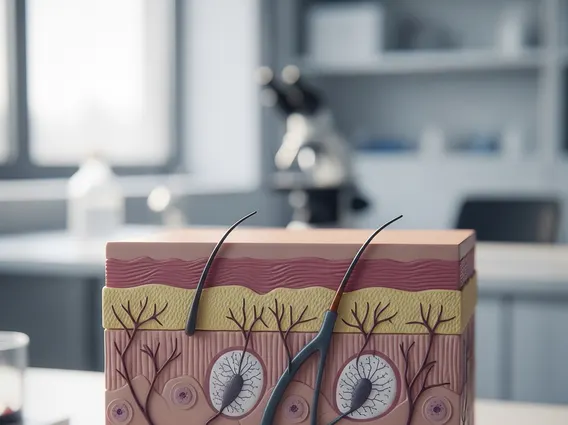
- Melanin: Produced by melanocytes, melanin is primarily responsible for skin, hair, and eye color. Its crucial role is to absorb harmful UV radiation, protecting DNA from damage and reducing the risk of skin cancer.
- Hemoglobin: Found in red blood cells, hemoglobin contains a heme group that binds oxygen, giving blood its characteristic red color. Its primary function is to transport oxygen from the lungs to tissues throughout the body.
- Carotenoids: These pigments, often acquired through diet (e.g., beta-carotene from carrots), contribute to yellow and orange hues in some tissues and are precursors to Vitamin A, essential for vision and immune function.
- Bilirubin: A yellowish pigment formed from the breakdown of red blood cells, bilirubin is processed by the liver and excreted in bile. Elevated levels can cause jaundice, indicating liver dysfunction.
- Lipofuscin: Often referred to as “wear-and-tear” pigment, lipofuscin accumulates in cells, particularly in older individuals, and is thought to be a byproduct of cellular aging and oxidative stress.
Each of these pigments plays a distinct role, from protective mechanisms against environmental stressors to fundamental processes like oxygen delivery and waste management.
Mechanisms of Pigment Function in Biology
The way pigments exert their effects in living systems is fascinating and diverse. To understand how do pigments work in nature, one must consider their molecular structure and interactions with light and other biological molecules. Most pigments function by selectively absorbing certain wavelengths of visible light and reflecting or transmitting others. For example, melanin’s dark color results from its broad absorption across the UV and visible light spectrum, effectively shielding underlying tissues from radiation.
Beyond light interaction, many pigments are integral to metabolic pathways. Hemoglobin, for instance, reversibly binds oxygen due to the iron atom within its heme group, facilitating efficient gas exchange. Bilirubin, while a breakdown product, undergoes conjugation in the liver to become water-soluble, allowing for its safe excretion. The precise arrangement of atoms and electron configurations within a pigment molecule dictates its light-absorbing properties and its ability to participate in specific biochemical reactions, making them indispensable for the maintenance of biological life.