
Phosphorus P 32
Phosphorus P 32 is a radioactive isotope with significant applications in medicine, primarily within oncology and hematology. Its unique properties allow for targeted therapeutic interventions and diagnostic procedures.
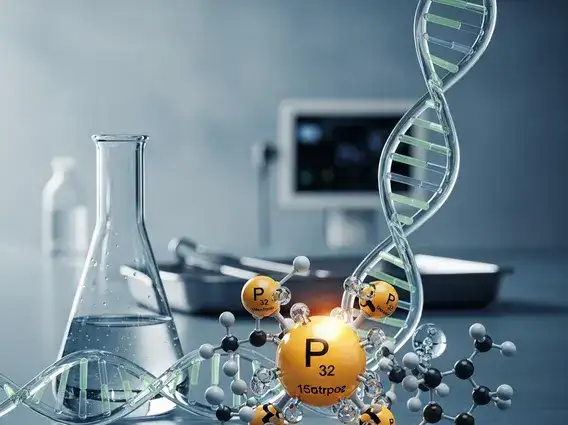
Key Takeaways
- Phosphorus P 32 is a radioactive isotope of phosphorus, characterized by its emission of beta particles.
- It is primarily utilized in medical settings for treating specific blood disorders and managing bone metastases.
- Its therapeutic action relies on the localized delivery of radiation to target rapidly dividing cells.
- Key medical applications include the management of polycythemia vera and the palliation of pain from bone metastases.
- Administration of Phosphorus P 32 is carefully controlled due to its radioactive nature and potential side effects.
What is Phosphorus P 32: Definition and Key Properties
Phosphorus P 32 is a radioactive isotope of phosphorus, distinguished by its atomic mass of 32. Unlike the stable phosphorus-31, P 32 undergoes beta decay, emitting high-energy beta particles (electrons) as it transforms into sulfur-32. This decay process has a half-life of approximately 14.3 days, which makes it suitable for medical applications requiring a controlled period of radioactivity. Its chemical similarity to stable phosphorus allows it to be incorporated into biological molecules, such as DNA and phospholipids, which is crucial for its therapeutic effects.
The properties and uses of Phosphorus P 32 are directly derived from its beta-emitting nature. The beta particles emitted by P 32 have a relatively short range in tissue, typically spanning a few millimeters. This characteristic is highly advantageous in medical treatments as it enables localized radiation delivery, thereby minimizing damage to surrounding healthy tissues. It is often administered in various forms, such as sodium phosphate P 32, to facilitate its distribution and uptake within the body, particularly in areas of high cellular turnover like bone marrow or metastatic sites.
What is Phosphorus P 32 Used For?
Phosphorus P 32 is primarily used in the medical field for its therapeutic effects, particularly in the management of certain hematological disorders and metastatic cancers. The Phosphorus P 32 medical applications leverage its ability to deliver localized radiation internally. One of its most well-established uses is in the treatment of polycythemia vera, a myeloproliferative neoplasm characterized by an overproduction of red blood cells. In this condition, P 32 is administered intravenously, where it is preferentially taken up by rapidly dividing cells in the bone marrow, including those responsible for the excessive blood cell production. The emitted beta particles then irradiate and suppress these overactive cells, helping to control the disease.
Beyond polycythemia vera, Phosphorus P 32 has also been utilized for palliative care in patients with painful bone metastases, particularly those originating from prostate or breast cancer. When administered, P 32 tends to localize in areas of increased bone turnover, which are common at metastatic sites. The localized radiation helps to destroy cancer cells within the bone and reduce associated pain, significantly improving the quality of life for these patients. Its use in these contexts is carefully considered, balancing the therapeutic benefits against potential side effects and the patient’s overall condition.
- Polycythemia Vera: Reduces excessive red blood cell production by targeting hyperactive bone marrow cells.
- Bone Metastases: Alleviates pain by irradiating cancer cells in areas of increased bone turnover.
- Other Myeloproliferative Disorders: Occasionally used in selected cases of essential thrombocythemia or chronic myeloid leukemia, though less common now.
Mechanism of Action in Medical Applications
The mechanism by which Phosphorus P 32 works in medicine is rooted in its radioactive decay and the subsequent emission of beta particles. Upon administration, typically as sodium phosphate P 32, the isotope is distributed throughout the body. Due to its chemical similarity to stable phosphorus, it is readily incorporated into metabolic pathways, particularly in tissues with high phosphate turnover. This includes rapidly proliferating cells, such as those found in the bone marrow in conditions like polycythemia vera, or in areas of active bone remodeling and tumor growth, as seen in bone metastases.
Once localized, the P 32 atoms undergo beta decay, releasing high-energy electrons. These beta particles travel a short distance within the tissue, typically a few millimeters, before depositing their energy. This localized energy deposition causes ionization and damage to cellular DNA and other vital macromolecules. In the context of cancer treatment or myelosuppression, this cellular damage leads to cell death or inhibition of cell division in the targeted rapidly proliferating cells. The short range of the beta particles is crucial for minimizing radiation exposure to healthy, non-target tissues, thereby enhancing the therapeutic ratio and reducing systemic side effects. The controlled half-life of 14.3 days ensures that the radioactive effect diminishes over a predictable period.



















