
Pathologic Diagnosis
Pathologic diagnosis is a cornerstone of modern medicine, providing crucial insights into the nature of diseases. It involves the microscopic examination of tissues and cells to identify abnormalities and determine the presence of illness.
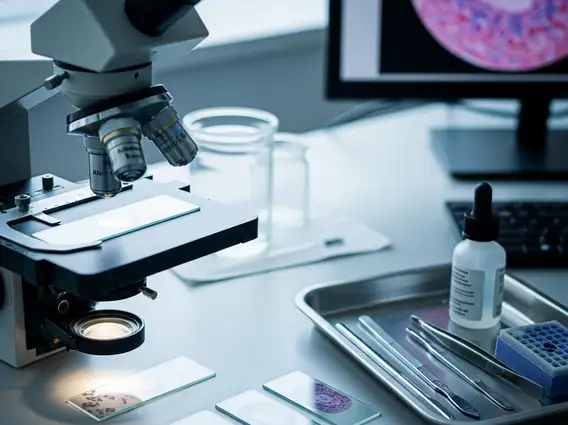
Key Takeaways
- Pathologic diagnosis is the definitive identification of disease through tissue and cell analysis.
- It is performed by pathologists who examine biopsies, surgical resections, and cytology samples.
- Key techniques include gross examination, microscopic analysis, immunohistochemistry, and molecular testing.
- This diagnostic method is vital for accurate treatment planning, prognosis, and disease management.
- It plays a critical role in oncology, inflammatory conditions, and infectious diseases.
What is Pathologic Diagnosis?
Pathologic Diagnosis refers to the process of identifying a disease by examining tissues and cells under a microscope. This specialized field, primarily conducted by pathologists, is fundamental for confirming the presence of illness, determining its type, and assessing its severity. Understanding pathologic diagnosis is crucial for patients and clinicians alike, as it underpins treatment decisions and prognostic evaluations. It moves beyond clinical symptoms or imaging findings to provide a definitive, tissue-based confirmation of disease. For instance, according to the World Health Organization (WHO), accurate pathologic diagnosis is indispensable for cancer staging and treatment selection, directly impacting patient outcomes globally.
Pathologic diagnosis explained involves a detailed analysis of morphological changes at the cellular and tissue levels, often revealing the unique characteristics of various diseases, from cancers to inflammatory conditions and infections. This diagnostic approach provides the most precise information about the disease’s biological nature, guiding clinicians in formulating the most effective therapeutic strategies.
How Pathologic Diagnosis is Performed
The process of **how pathologic diagnosis is performed** involves a systematic approach that begins with obtaining a tissue or cell sample from the patient. These samples can range from small biopsies (e.g., needle biopsies, endoscopic biopsies) to larger surgical resections (e.g., removal of an entire tumor or organ) or cytology specimens (e.g., Pap smears, fluid analyses). Once collected, the samples undergo several critical steps in the pathology laboratory:
- Gross Examination: A pathologist or pathology assistant visually inspects the specimen, describing its size, shape, color, and any visible abnormalities. This step is crucial for orienting the tissue and selecting appropriate areas for microscopic examination.
- Tissue Processing: The tissue is chemically fixed to preserve its structure, then embedded in paraffin wax to create a solid block. Thin sections (typically 3-5 micrometers) are cut from this block.
- Staining: These thin sections are mounted on glass slides and stained with various dyes, most commonly Hematoxylin and Eosin (H&E), which highlight different cellular components, making them visible under a light microscope.
- Microscopic Examination: A pathologist meticulously examines the stained slides under a microscope, looking for abnormal cells, tissue architecture changes, and other features indicative of disease.
- Ancillary Studies: In many cases, additional tests are performed to further characterize the disease. These may include immunohistochemistry (using antibodies to detect specific proteins), molecular pathology (analyzing DNA, RNA, or proteins for genetic mutations or biomarkers), or flow cytometry.
The pathologist then integrates all findings to render a comprehensive diagnostic report, which is communicated to the treating physician.
The Importance of Pathologic Diagnosis
The **importance of pathologic diagnosis** cannot be overstated in clinical medicine. It serves as the gold standard for confirming many diseases, particularly cancer. Without a precise pathologic diagnosis, treatment decisions would often be speculative, leading to suboptimal or even harmful interventions. For example, the American Cancer Society emphasizes that a definitive biopsy and subsequent pathologic diagnosis are essential before initiating cancer treatment, as different cancer types and stages require distinct therapeutic approaches.
Beyond initial diagnosis, pathology plays a continuous role in patient care:
- Guiding Treatment: It informs the choice of chemotherapy, radiation therapy, immunotherapy, or surgical interventions by identifying specific tumor characteristics or infectious agents.
- Prognostic Assessment: Pathologic features, such as tumor grade, invasion depth, and lymph node involvement, are critical indicators of disease aggressiveness and patient prognosis.
- Monitoring Disease Progression: Pathologic examination of subsequent biopsies or surgical specimens can track disease response to treatment or identify recurrence.
- Research and Development: Pathologic specimens are invaluable for research, contributing to a deeper understanding of disease mechanisms and the development of new diagnostic tools and therapies.
In essence, pathologic diagnosis provides the definitive evidence needed for effective disease management, ensuring that patients receive accurate, personalized, and timely care.



















