Palpation
Palpation is a fundamental diagnostic technique in medicine, involving the use of touch to assess various physical characteristics of the body. It allows healthcare professionals to gather crucial information about a patient’s condition through tactile examination.
Key Takeaways
- Palpation is a core diagnostic method using touch to examine body structures.
- It helps clinicians assess texture, size, consistency, location, tenderness, and temperature.
- Techniques range from light touch to deep pressure, adapted for different body areas and diagnostic goals.
- It is widely used to detect abnormalities like masses, organ enlargement, and inflammation.
- Palpation is a non-invasive, cost-effective, and immediate component of a comprehensive physical exam.
What is Palpation in Medicine?
Palpation in medicine refers to the process of examining the body by touch, primarily using the hands and fingers. It is a vital component of a physical examination, allowing clinicians to feel for abnormalities beneath the skin’s surface. Through palpation, medical professionals can assess the texture, size, consistency, location, and tenderness of organs, tissues, and other structures. This tactile feedback provides immediate insights into a patient’s physiological state, helping to identify potential issues that might not be visible externally.
The technique requires a skilled touch and a thorough understanding of human anatomy. It is used across various medical specialties, from general practice to surgery and oncology, to detect conditions ranging from simple muscle tension to complex internal masses. The information gathered through palpation often guides further diagnostic testing, such as imaging studies or laboratory tests, to confirm a diagnosis.
Palpation Techniques and Diagnostic Applications
Palpation techniques and examples vary depending on the area of the body being examined and the specific diagnostic goal. Generally, palpation can be categorized by the depth of pressure applied. Light palpation involves a gentle touch, often used to assess skin texture, temperature, superficial tenderness, or pulsations. Deep palpation, conversely, involves applying more pressure to examine deeper organs and structures, such as the liver, spleen, or abdominal masses. Bimanual palpation, where both hands are used simultaneously (e.g., one hand to support, the other to palpate), is often employed for organs like the kidneys or uterus to better define their size and shape.
Understanding how is palpation used for diagnosis is crucial for healthcare providers. Here are some common diagnostic applications:
- Abdominal Palpation: To assess organ size (e.g., hepatomegaly, splenomegaly), detect masses, identify areas of tenderness (e.g., appendicitis), or evaluate bowel sounds.
- Thyroid Palpation: To feel for enlargement (goiter), nodules, or tenderness in the thyroid gland.
- Lymph Node Palpation: To check for swollen or tender lymph nodes, which can indicate infection or malignancy.
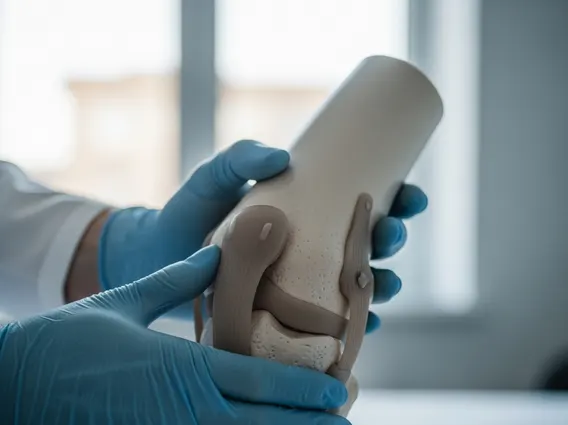
- Musculoskeletal Palpation: To identify muscle spasms, joint effusions, bone deformities, or areas of tenderness in injuries.
- Vascular Palpation: To assess pulses (rate, rhythm, strength) and detect aneurysms or arterial blockages.
Each technique requires precision and experience to differentiate normal findings from pathological ones, making palpation an art as much as a science.
Benefits of Palpation in Physical Exams
The benefits of palpation physical exam are numerous and make it an indispensable tool in clinical practice. Firstly, it is a non-invasive procedure, meaning it does not involve breaking the skin or inserting instruments into the body, which minimizes patient discomfort and risk. Secondly, it is cost-effective, requiring no specialized equipment beyond the clinician’s hands, making it accessible in various healthcare settings globally. For instance, according to the World Health Organization (WHO), basic physical examination skills, including palpation, are fundamental to primary healthcare delivery worldwide.
Moreover, palpation provides immediate feedback, allowing clinicians to make real-time assessments during a patient encounter. This immediacy can be critical in emergency situations or when monitoring the progression of a condition. It also complements other diagnostic methods, often guiding the selection of more advanced tests. By identifying specific areas of concern through touch, palpation helps to narrow down differential diagnoses and focus subsequent investigations, ultimately leading to more accurate and timely patient care.