Ovarian Follicle
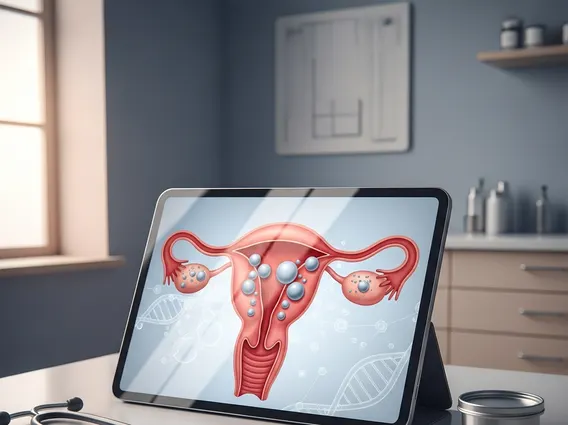
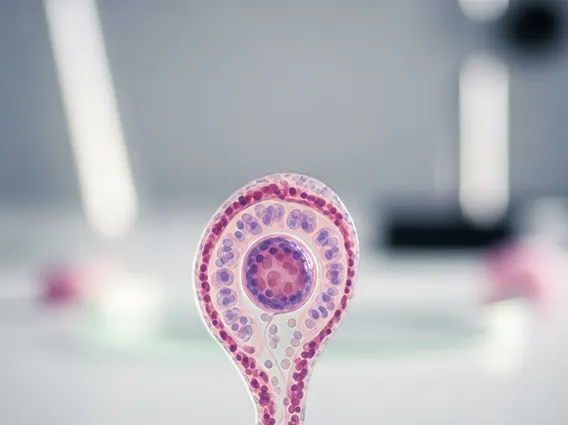
The ovarian follicle is a fundamental unit of the female reproductive system, playing a crucial role in fertility and hormonal regulation. These small, fluid-filled sacs within the ovaries house and nurture immature egg cells, known as oocytes.
Key Takeaways
- An Ovarian Follicle is a fluid-filled sac in the ovary containing an immature egg cell.
- Its primary functions include maturing the oocyte and producing hormones like estrogen and progesterone.
- Follicles undergo several developmental stages, from primordial to preovulatory, leading to ovulation.
- The health and proper functioning of ovarian follicles are essential for female reproductive health and fertility.
What is an Ovarian Follicle?
An Ovarian Follicle is a small, fluid-filled sac located within the ovaries that contains an immature egg cell, or oocyte. These structures are integral to female reproductive biology, serving as the microenvironment where oocytes develop and mature before potential fertilization. Each follicle is composed of the oocyte itself, surrounded by layers of granulosa cells and an outer layer of theca cells, all working in concert to support egg development and hormone production. Women are born with a finite number of primordial follicles, estimated to be around 1 to 2 million, though only a fraction of these will ever mature and ovulate throughout a woman’s reproductive lifespan. The continuous decline in the number and quality of these follicles over time contributes to the natural process of reproductive aging.
Key Functions of Ovarian Follicles
The ovarian follicle function is multifaceted, primarily centered on two critical roles: nurturing the oocyte and producing essential reproductive hormones. As follicles grow, their granulosa cells produce increasing amounts of estrogen, a hormone vital for the development of female secondary sexual characteristics and the preparation of the uterine lining for pregnancy. Following ovulation, the remnants of the ruptured follicle transform into the corpus luteum, which then produces progesterone. This hormone is crucial for maintaining the uterine lining during the luteal phase of the menstrual cycle and supporting early pregnancy. Therefore, the role of ovarian follicles extends beyond simply housing egg cells; they are dynamic endocrine glands that orchestrate the hormonal environment necessary for reproduction.
Stages of Ovarian Follicle Development
The journey of an ovarian follicle from an immature state to a mature, ovulatory follicle is a complex and highly regulated process known as folliculogenesis. This development involves several distinct ovarian follicle development stages, each characterized by specific cellular changes and growth patterns. This process can take several months, with only a select few follicles reaching full maturity in each menstrual cycle.
- Primordial Follicle: These are the most numerous and smallest follicles, present from birth. They consist of an oocyte surrounded by a single layer of flattened granulosa cells, remaining dormant until recruited for further development.
- Primary Follicle: Upon recruitment, primordial follicles develop into primary follicles. The granulosa cells become cuboidal, and the oocyte begins to grow.
- Secondary Follicle: Characterized by multiple layers of granulosa cells and the appearance of the zona pellucida, a protective layer around the oocyte. Theca cells also begin to differentiate around the follicle.
- Antral (Tertiary) Follicle: A defining feature of this stage is the formation of an antrum, a fluid-filled cavity within the granulosa cell layers. This stage marks significant growth and increased hormone production.
- Graafian (Preovulatory) Follicle: Typically, only one antral follicle in a cycle becomes the dominant follicle, growing significantly larger and preparing for ovulation. This mature follicle is ready to release its oocyte.
After the Graafian follicle ruptures during ovulation, releasing the mature egg, the remaining follicular cells transform into the corpus luteum, continuing its vital role in hormone production.