
Oral
Oral, in a medical and clinical context, refers to anything pertaining to the mouth, its structures, or the act of administering substances via the mouth. The oral cavity is a vital part of the human body, serving as the initial point of the digestive system and playing crucial roles in speech, taste, and breathing.
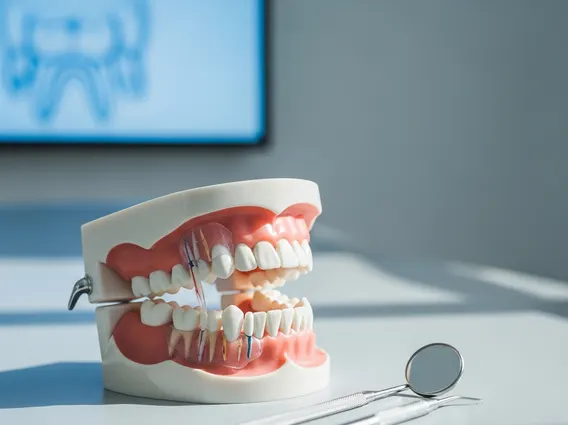
Key Takeaways
- The oral cavity encompasses the mouth’s structures, essential for digestion, speech, and overall health.
- Maintaining good oral health and hygiene is crucial for preventing diseases and supporting systemic well-being.
- Effective oral care involves regular brushing, flossing, and professional dental check-ups.
- Common oral diseases like cavities and gum disease are largely preventable through consistent hygiene and healthy lifestyle choices.
- Prevention strategies for oral diseases include a balanced diet, avoiding tobacco, and limiting alcohol consumption.
What is Oral: Understanding the Mouth and its Functions
Oral refers to the mouth and its associated structures, including the teeth, gums, tongue, palate, salivary glands, and the inner lining of the cheeks. This complex anatomical region is fundamental to several physiological processes. Its primary functions include the mechanical breakdown of food through chewing, the initiation of chemical digestion via saliva, and facilitating clear speech. The oral cavity also serves as a sensory organ, detecting tastes, and plays a role in breathing, especially when the nasal passages are obstructed.
The health of the oral cavity is intrinsically linked to overall systemic health. Infections or inflammation originating in the mouth can sometimes have implications for other parts of the body, highlighting the importance of comprehensive oral care.
What is Oral Health and Hygiene: Practices and Benefits
Oral health and hygiene refers to the practices aimed at keeping the mouth clean and free from disease, decay, and other problems. It encompasses a state where an individual is free from chronic mouth and facial pain, oral and throat cancer, oral infections and sores, periodontal (gum) disease, tooth decay, tooth loss, and other diseases and disorders that affect the mouth and orofacial region. Good oral hygiene is a cornerstone of general health, impacting nutrition, communication, and self-esteem.
The benefits of good oral care practices extend beyond just preventing cavities. They include reducing the risk of gum disease, preventing bad breath, and potentially lowering the risk of systemic conditions such as cardiovascular disease and diabetes complications. According to the World Health Organization (WHO), oral diseases affect nearly 3.5 billion people worldwide, with severe periodontal (gum) disease being a major cause of tooth loss globally, underscoring the widespread need for effective oral hygiene.
Here are some tips for maintaining healthy oral cavity:
- Brush teeth at least twice a day with fluoride toothpaste for two minutes each time.
- Floss daily to remove food particles and plaque from between teeth and under the gum line.
- Visit the dentist regularly for check-ups and professional cleanings, typically every six months.
- Limit consumption of sugary foods and drinks, which contribute to tooth decay.
- Avoid tobacco products and excessive alcohol consumption, as they significantly increase the risk of oral cancers and gum disease.
- Use an antimicrobial mouthwash if recommended by a dentist to help reduce plaque and gingivitis.
Common Oral Diseases and Prevention Strategies
Common oral diseases and prevention strategies are critical for maintaining long-term oral health. The most prevalent oral diseases include dental caries (tooth decay), periodontal diseases (gingivitis and periodontitis), and oral cancer. Dental caries occur when bacteria in the mouth produce acids that erode tooth enamel, leading to cavities. Periodontal diseases are infections of the gums and supporting bone structure, which, if left untreated, can lead to tooth loss.
Prevention strategies for these conditions are largely centered on consistent oral hygiene and healthy lifestyle choices. Regular brushing and flossing effectively remove plaque, a sticky film of bacteria that causes both cavities and gum disease. A balanced diet, low in sugars and rich in fruits and vegetables, also plays a significant role in preventing decay. Avoiding tobacco products and limiting alcohol intake are crucial for reducing the risk of oral cancer, which, when detected early, has a higher chance of successful treatment.
Regular dental check-ups are essential for early detection and intervention. Dentists can identify early signs of decay, gum disease, or other oral health issues, providing timely treatment and personalized advice on prevention. Fluoride treatments and dental sealants can also offer additional protection against cavities, especially for children and adolescents.



















