Neurologic
Neurologic refers to anything related to the nervous system, a complex network that controls all bodily functions. Understanding this intricate system is crucial for comprehending a wide range of health conditions.
Key Takeaways
- Neurologic pertains to the nervous system, encompassing the brain, spinal cord, and nerves.
- A wide array of conditions can affect the nervous system, leading to diverse symptoms.
- These conditions can stem from genetic factors, infections, injuries, or degenerative processes.
- Early diagnosis and intervention are vital for managing neurologic disorders effectively.
What is Neurologic?
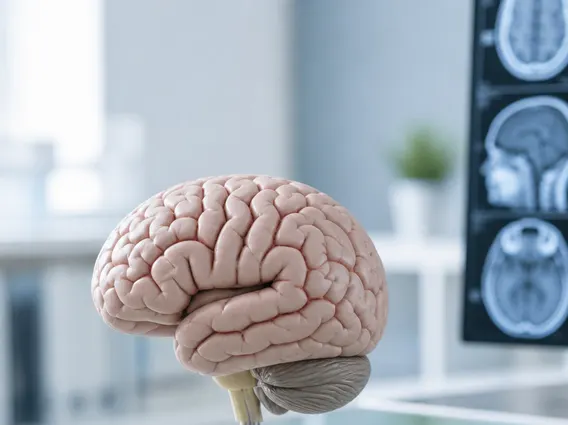
Neurologic refers to the medical field and conditions associated with the nervous system. This intricate system is responsible for controlling and coordinating all bodily activities, from thought and movement to sensation and organ function. It comprises the central nervous system (CNS), which includes the brain and spinal cord, and the peripheral nervous system (PNS), which consists of all other nerves extending throughout the body. The study of neurologic conditions explained encompasses understanding how these components work, what can go wrong, and how to diagnose and treat related disorders.
Common Neurologic Conditions: Types and Symptoms
There are numerous types of neurologic problems, each presenting with a unique set of challenges and manifestations. These conditions can affect individuals of all ages and backgrounds, impacting their quality of life significantly. The symptoms of neurologic disorders vary widely depending on the specific area of the nervous system affected and the underlying cause.
Common categories of neurologic conditions include:
- Neurodegenerative diseases: Conditions like Alzheimer’s disease and Parkinson’s disease involve the progressive degeneration of nerve cells, leading to declines in cognitive function or motor control.
- Vascular diseases: Strokes, for instance, occur when blood flow to a part of the brain is interrupted, causing brain cell death.
- Infections: Meningitis or encephalitis are examples where infections inflame the brain or its surrounding membranes.
- Traumatic injuries: Spinal cord injuries or traumatic brain injuries result from external forces damaging nervous tissue.
- Seizure disorders: Epilepsy is characterized by recurrent, unprovoked seizures due to abnormal electrical activity in the brain.
- Neuromuscular disorders: Conditions such as multiple sclerosis or amyotrophic lateral sclerosis (ALS) affect the nerves that control voluntary muscles.
Symptoms can range from mild to severe and may include headaches, dizziness, numbness, weakness, tremors, balance problems, memory loss, speech difficulties, or seizures. According to global health organizations, neurological disorders are a leading cause of disability and ill health worldwide, affecting millions of people.
Causes of Neurologic Diseases
The causes of neurologic diseases are diverse and often complex, involving a combination of genetic, environmental, and lifestyle factors. Understanding these etiologies is crucial for prevention, diagnosis, and treatment.
Some primary causes include:
- Genetic Factors: Many neurologic disorders have a genetic component, meaning they can be inherited or result from spontaneous genetic mutations. Examples include Huntington’s disease and certain forms of muscular dystrophy.
- Infections: Viruses, bacteria, fungi, and parasites can infect the nervous system, leading to conditions like meningitis, encephalitis, or neurosyphilis.
- Trauma: Injuries to the brain or spinal cord, often from accidents or falls, can cause immediate and long-term neurologic damage.
- Autoimmune Disorders: In these conditions, the body’s immune system mistakenly attacks healthy nervous tissue. Multiple sclerosis, for instance, involves the immune system attacking the myelin sheath that protects nerve fibers.
- Vascular Problems: Conditions that affect blood flow to the brain, such as atherosclerosis (hardening of the arteries), high blood pressure, or blood clots, can lead to strokes or other cerebrovascular diseases.
- Environmental Toxins: Exposure to certain heavy metals, pesticides, or industrial chemicals can damage the nervous system.
- Lifestyle Factors: Poor diet, lack of exercise, smoking, and excessive alcohol consumption can contribute to the development or worsening of some neurologic conditions, particularly those related to vascular health.
Many neurologic conditions are multifactorial, meaning they arise from an interplay of several of these causes. Research continues to uncover the intricate mechanisms behind these diseases, paving the way for improved diagnostic tools and therapeutic interventions.