
Nerve Cell
A Nerve Cell, also known as a neuron, is the fundamental unit of the nervous system, responsible for transmitting electrical and chemical signals throughout the body. These specialized cells are crucial for all aspects of our existence, from thought and movement to sensation and emotion.
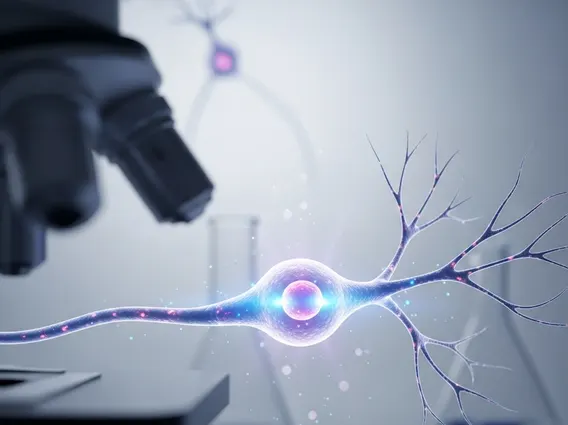
Key Takeaways
- Nerve Cells are the fundamental units of the nervous system, transmitting signals.
- They are essential for communication between the brain, spinal cord, and the rest of the body.
- Each Nerve Cell typically consists of a cell body, dendrites, and an axon.
- Functions include receiving, processing, and transmitting information via electrochemical impulses.
- Common types include sensory neurons, motor neurons, and interneurons, each with distinct roles.
What is a Nerve Cell?
A Nerve Cell, or neuron, is an electrically excitable cell that communicates with other cells via specialized connections called synapses. It is the core component of the brain, spinal cord, and peripheral nerves, forming complex networks that enable all physiological processes. These cells are unique in their ability to generate and propagate electrical impulses, known as action potentials, which are the basis of information transfer in the nervous system.
The primary role of a Nerve Cell is to process and transmit information. They receive signals from sensory organs or other neurons, integrate these signals, and then transmit them to other neurons, muscles, or glands. This intricate communication network allows for rapid responses to stimuli, coordinated movements, and complex cognitive functions.
Nerve Cell Structure and Diagram
The intricate nerve cell structure and diagram reveal specialized components that facilitate its unique function. While neurons vary in shape and size, they generally share three main parts:
- Cell Body (Soma): This is the neuron’s main part, containing the nucleus and other organelles vital for the cell’s survival and function. It integrates incoming signals from dendrites.
- Dendrites: These are tree-like branches extending from the cell body. Dendrites are specialized to receive signals from other neurons and transmit them towards the cell body. A single neuron can have many dendrites, increasing its receptive surface area.
- Axon: A long, slender projection that extends from the cell body. The axon’s primary role is to transmit electrical signals away from the cell body to other neurons, muscles, or glands. Many axons are covered by a myelin sheath, a fatty layer that insulates the axon and speeds up the transmission of electrical impulses.
- Axon Terminals (Synaptic Terminals): Located at the end of the axon, these specialized structures form synapses with other cells. When an electrical impulse reaches the axon terminal, it triggers the release of neurotransmitters, chemical messengers that cross the synaptic gap to influence the target cell.
This detailed structure allows for the efficient reception, processing, and transmission of electrochemical signals throughout the nervous system.
Nerve Cell Function and Types
The primary nerve cell function explained involves the transmission of electrochemical signals. Neurons communicate through a process called synaptic transmission, where an electrical signal (action potential) travels down the axon and triggers the release of neurotransmitters at the synapse. These neurotransmitters then bind to receptors on the target cell, either exciting or inhibiting it.
Based on their function and location, there are several distinct types of nerve cells:
| Nerve Cell Type | Primary Function | Location/Role |
|---|---|---|
| Sensory Neurons (Afferent Neurons) | Transmit sensory information from the body’s periphery to the central nervous system (CNS). | Found in sensory organs (e.g., skin, eyes, ears); detect stimuli like touch, light, sound. |
| Motor Neurons (Efferent Neurons) | Transmit signals from the CNS to muscles and glands, initiating movement or glandular secretion. | Located in the spinal cord and brain; control muscle contractions and gland activity. |
| Interneurons (Association Neurons) | Connect sensory and motor neurons, facilitating communication within the CNS. | Found exclusively within the brain and spinal cord; involved in complex thought, reflexes, and memory. |
These different types of neurons work in concert to form the intricate neural circuits that underpin all nervous system activities, from simple reflexes to complex cognitive processes.



















