
Nasal Vestibule
The nasal vestibule is a critical component of the human respiratory system, serving as the entryway to the nasal cavity. This initial segment plays a vital role in filtering inhaled air and protecting the delicate structures deeper within the nose.
Key Takeaways
- The nasal vestibule is the outermost part of the nasal cavity, lined with skin and stiff hairs.
- Its primary functions include filtering large particles from inhaled air and initiating humidification.
- It serves as a protective barrier, preventing foreign bodies from entering the respiratory tract.
- Common conditions affecting the nasal vestibule range from infections to inflammation and structural issues.
- Maintaining nasal hygiene is crucial for the health and proper functioning of this area.
What is the Nasal Vestibule?
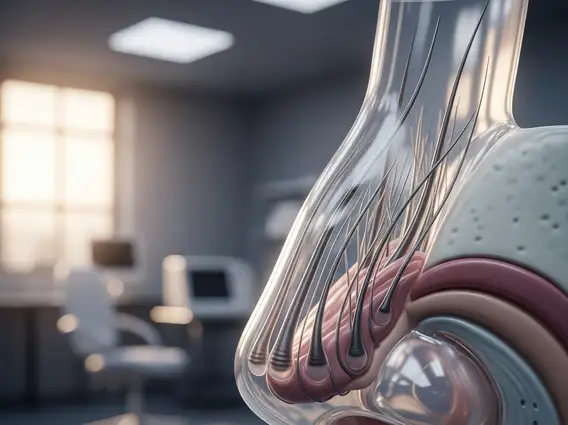
The nasal vestibule is the most anterior and inferior part of the nasal cavity, representing the direct entrance to the respiratory system. It is essentially the dilated area just inside the nostrils (nares). Unlike the rest of the nasal cavity, which is lined with respiratory mucosa, the nasal vestibule is lined with stratified squamous epithelium, similar to skin, and contains sebaceous glands, sweat glands, and stiff hairs known as vibrissae. These vibrissae are coarse hairs that extend into the lumen, forming a protective barrier. This unique lining and structure are crucial for its initial role in air filtration.
Anatomy and Function of the Nasal Vestibule
The nasal vestibule anatomy and structure are specifically adapted for its protective and preparatory roles. It is bounded laterally by the alar cartilages and medially by the columella, which is the fleshy part between the nostrils. The skin lining the vestibule is continuous with the skin of the face. Deep to this skin, the vestibule houses the vibrissae, which are the first line of defense against airborne particles. These hairs trap larger dust particles, pollen, and other foreign matter, preventing them from reaching the more sensitive lower respiratory tract.
The function of nasal vestibule in breathing extends beyond simple filtration. As air passes through this region, it begins the process of humidification and warming, though these functions are more fully realized in the deeper nasal cavity. The vestibule acts as a funnel, directing airflow into the main nasal passages. By trapping particulate matter, it significantly reduces the burden on the mucociliary escalator system deeper in the nose and lungs. This initial cleansing is essential for maintaining respiratory health. For example, studies indicate that the nasal passages, including the vestibule, can filter out up to 90% of particles larger than 10 micrometers before they reach the lungs (Source: American Academy of Otolaryngology—Head and Neck Surgery).
Conditions Affecting the Nasal Vestibule
A variety of nasal vestibule conditions and symptoms can arise due to its exposed location and specialized environment. These conditions often manifest as discomfort, pain, or altered appearance. Common issues include:
- Vestibulitis: This is an inflammation or infection of the nasal vestibule, often caused by bacterial infections (e.g., Staphylococcus aureus) from nose picking, excessive nose blowing, or hair plucking. Symptoms include pain, redness, swelling, and tenderness around the nostrils. In some cases, small boils or pimples may form.
- Furuncles: These are deeper, more severe infections of a hair follicle within the vestibule, leading to painful pus-filled lumps. If left untreated, furuncles can potentially lead to more serious complications, though this is rare.
- Nasal Polyps: While typically found deeper in the nasal cavity, polyps can sometimes extend into or originate near the vestibule, causing obstruction and discomfort.
- Trauma: Injuries to the nose can affect the vestibule, leading to cuts, abrasions, or hematomas.
- Eczema or Dermatitis: Skin conditions can affect the vestibule, causing dryness, itching, and irritation.
- Structural Abnormalities: Rarely, congenital or acquired structural issues can affect the vestibule, impacting airflow or aesthetics.
Treatment for these conditions varies depending on the cause, ranging from topical antibiotics for infections to surgical intervention for severe structural issues or persistent polyps. Maintaining good nasal hygiene and avoiding aggressive nose picking can help prevent many common vestibular problems.



















